Liquid Gas Ireland (LGI) has called urgent clarity from the Government following the European Commission’s detailed opinion on Ireland’s proposed Renewable Heat Obligation (RHO) scheme, warning that the intervention creates uncertainty at a critical time for heat decarbonisation efforts.
The RHO is a planned Government scheme that would require fossil fuel suppliers to ensure a portion of heating energy comes from renewable sources, with the aim of reducing emissions across the sector.
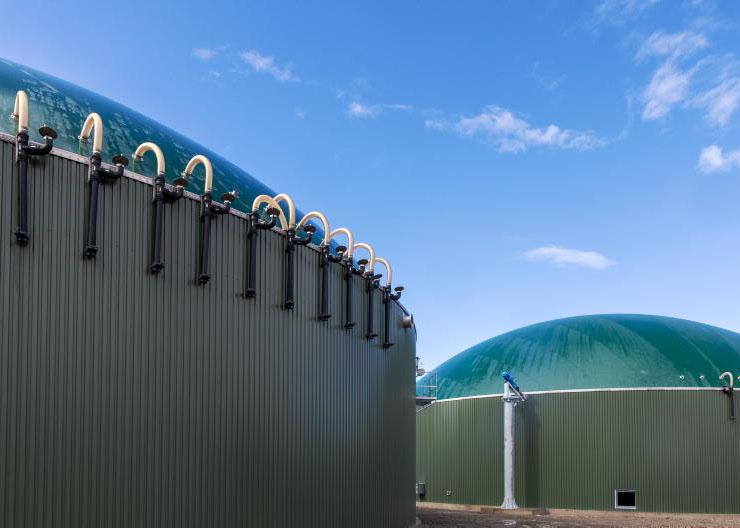
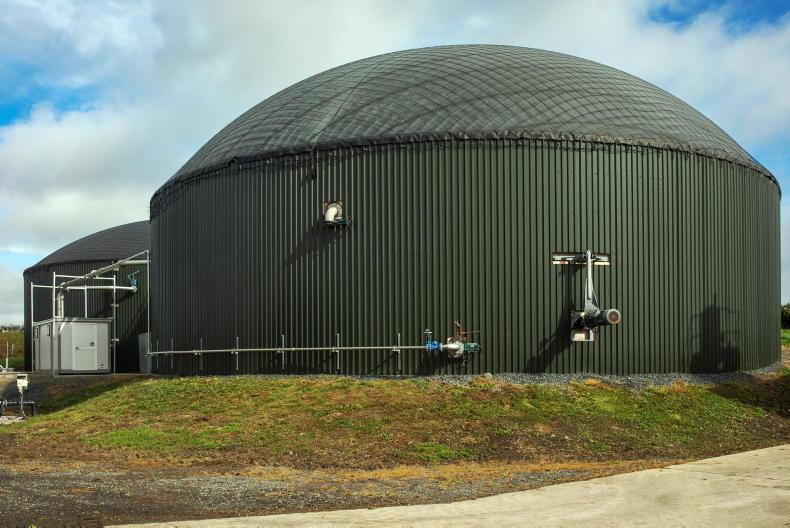
The scheme, which has been years in development, was set to be the main support mechanism for new anaerobic digestion plants in Ireland.
Questions raised
However, the European Commission has raised concerns about several aspects of the proposal.
These include potential limits on importing renewable fuels from other EU member states, the imposition of obligations on fossil fuel suppliers, the use of certificate multipliers for certain technologies and the linking of heat policy with agricultural methane targets. Questions were also raised about the proposed duration of the scheme.
While the Commission has not rejected the RHO, its opinion means the Government must now review and potentially revise the policy to ensure compliance with EU rules. This could lead to further delays at a time when investment and project planning decisions are already under way.
Role
The Commission’s assessment does not challenge the role of renewable gas or biomethane in decarbonisation, but instead highlights the need for policies to comply with EU internal market rules, particularly the principle of non-discrimination between energy sources based on origin.
LGI said the development should be viewed as an opportunity to strengthen the policy and provide certainty for stakeholders, including farmers, energy suppliers and investors.
Senior director of government affairs and policy at LGI Alan Farrell said the organisation is ready to work with Government as the process evolves.
“We are ready to engage constructively with Government as this process moves forward. What is most important now is clarity and certainty for the sector. Businesses, farmers and energy users need confidence in the direction of policy so they can invest and plan effectively,” he said.
“A stable technology-neutral framework will be essential to deliver emissions reductions efficiently, while ensuring fairness across all renewable heat solutions, including the off-grid renewable gas sector. This needs to be managed in a way which also ensures affordability for the end consumer,” he concluded.