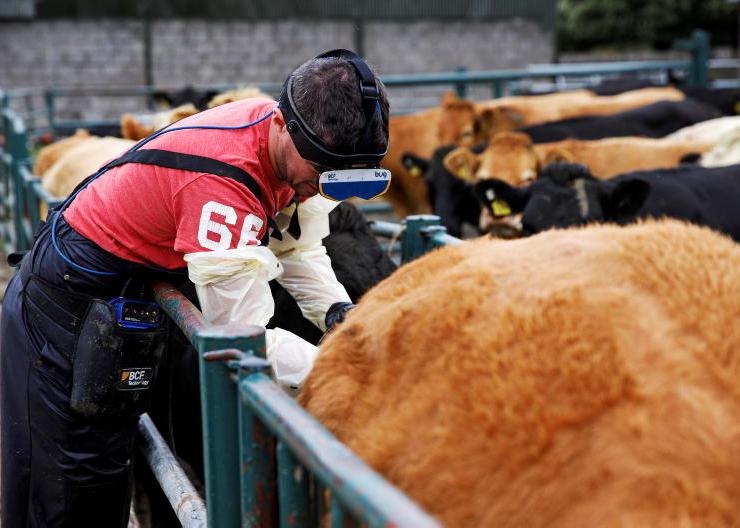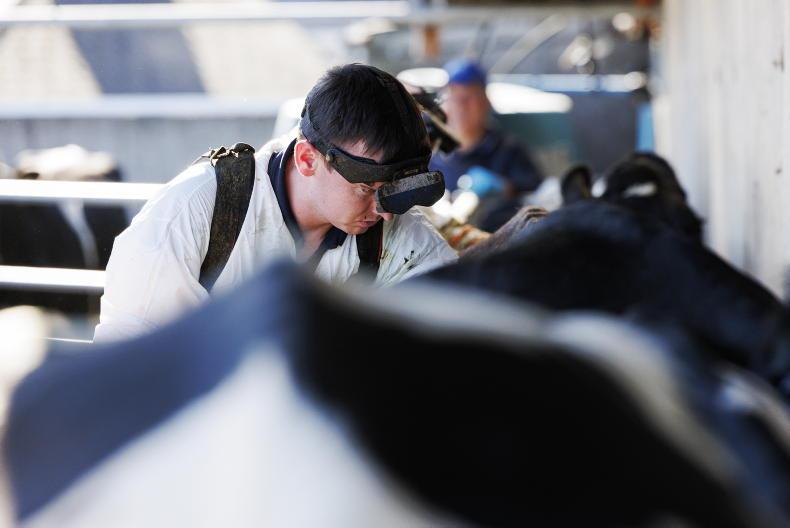
Conception rates in some dairy herds have plummeted due to the scorching summer weather. Empty rates have topped 10% for cows served during the hottest periods in July, scanners told the Irish Farmers Journal.
However, empty rates of just 2-5% were recorded for cows served early in the breeding season. The hot weather has had a “detrimental effect on reproductive performance”, said Carlow-based scanner Myles McDermott.
Empty rates are at 12-13%, on average, McDermott maintained. But there is considerable variation across the country, with empty rates ranging from 6% to 30%, he added.
“So far this year, there seems to be more early embryonic deaths and definitely higher than average empty rates,” said Eoin Barry of Duntahane Veterinary Clinic in Fermoy.
“I have noticed lower conception rates in a lot of cows that were getting bred at the middle to the end of May and into the start of June, when things started to get a small bit drier and hotter,” Barry said.
The vet put the high empty rates down to heat stress, with hotter weather meaning more energy is required to cool animals down, leaving less energy available for reproductive processes. Cathal O’Shea of Repro Vets in Cork has also experienced higher embryonic death rates in cows this year.
“Any early pregnancy scanning I did, I found that embryonic deaths and empty cow rates were normal – around 2% to 5%. Conception rates to first services were really good, but cows served later were definitely under stress.”
O’Shea admitted to being nervous for the coming weeks, when more scanning will be done on cows served later in the season.
Myles McDermott claimed that the herds that have fared best in terms of conception rates are those where the farmers introduced sufficient supplementary feeding on time.
“Proactive farmers during hot weather, who fed cows well and supplemented feed on time, generally performed better than herds that were reactive - acted when cows were losing condition and milk production plummeted.”
He expressed concern about how suckler herds will fare out, given that supplementary feeding is not normally practiced on beef herds during the breeding season.