


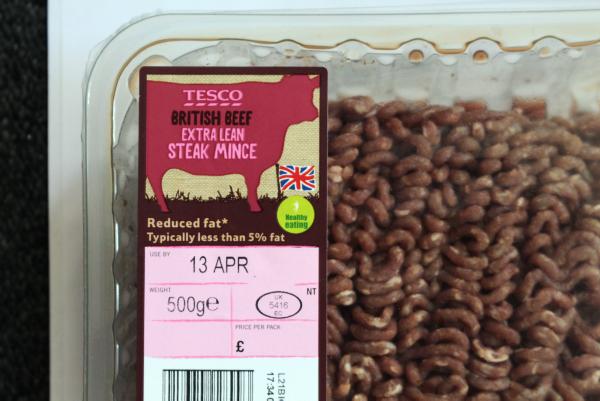
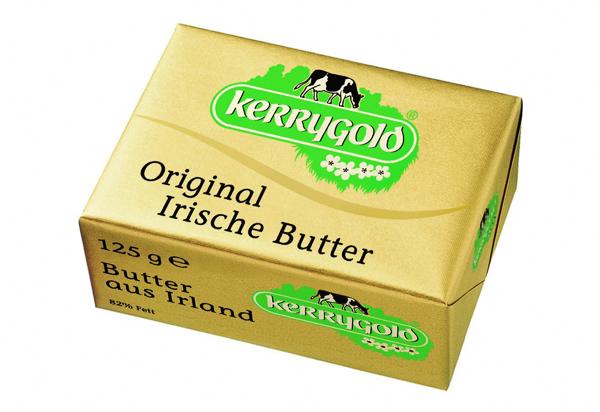
So, what’s the difference between Irish butter on the German market and Irish beef on the British market?
In Germany, our product – Irish butter – commands an approximate 17% market share and is strongly labelled and promoted as Irish and of exceptional quality, and commands roughly a 50% premium over the domestic product.
Germany is now our main market. The owner of the Kerrygold name is, of course, the Irish Dairy Board and so successful and profitable is the whole venture that, as was covered in recent issues of the Irish Farmers Journal, the Irish Dairy Board is centralising its manufacturing and packaging operation on a single site at Mitchelstown.
One would wonder in fact if the Irish Dairy Board should also be given responsibility by farmers to run the Irish liquid milk market when one views the chaos in the sector and the low percentage of the retail price reaching farmers, but that’s a completely different issue.
The contrast of Irish butter in Germany and Irish beef in Britain is striking. The major supermarkets and really large food retailer service companies such as McDonald’s acknowledge that there is no difference in quality terms between the Irish and British product.
Indeed, Tesco announced last year that they were going to label the beef offering as coming from Britain or Ireland. They quickly, without giving any particular reason, withdrew from that position.
I was hoping for the announcement of a breakthrough at last week’s ministerially convened beef summit, but the only concrete item that emerged seemed to be a resolution to have more accurate reporting of the price paid to farmers.
The Department already publishes this by factory and grade every week and we carry these tables for steers, cows and heifers in the Journal every week. What is needed for any kind of transparency is at least a reliable market indicator for the price of the specific main cuts and the fifth quarter.
It is probably unrealistic to expect the actual realised sale prices achieved by the factories, but there is no reason why a reliable market indicator index for specific cuts cannot be established.
The setting up of an index may take some work, but as we are by far the major exporter in Europe with a very concentrated industry, and with the visible sense of crisis in the sector, the Minister is right to want greater transparency.
The latest figures of heifers being retained for breeding within the suckler herd, showing a 25% decline, point to serious question marks over the sustainability of Food Harvest 2020 targets.
Last week in London, I attended an excellent presentation by Bord Bia’s Padraig Brennan on Origin Green and the quality assurance credentials of the Irish beef product.
The story is convincing and authentic and in line with the stated needs of British supermarket buyers, but it fades into insignificance from a farmer’s point of view if there is no actual commercial spin-off.
I do not expect a German-type miracle overnight in relation to the price of Irish beef on the British market, but the Irish Dairy Board is spending several million euro per year promoting the Kerrygold brand on the German market.
The result is a significant price premium that gets back to Irish dairy farmers. The margins on Irish beef may well be the same – we do not know – but they are earned by reducing the price paid to Irish producers rather than gaining a price premium or even equality with the domestic product.
Many years ago, there was talk of a Kerrygold steak with all the quality assurances that that implies. Maybe we should dust down the proposal again or at least look at the contrasts between the two products and the two markets.


SHARING OPTIONS