There has been a huge focus on the new eco scheme since details were first published in the CAP Strategic Plan 2023-2027. This is not surprising given that it will account for 25% of the direct payments budget under Pillar I, amounting to almost €1.5bn over the next five years.
Participation in the eco scheme is voluntary but it is important to stress that for farmers to have any chance of recouping the 25% of monies deducted from each entitlement unit they hold, then they must participate.
Discussions on eco schemes have gone full circle since first announced. Farmer views on the scheme have mellowed significantly following the news that almost 93% of farmers will meet the requirements to fulfil two eco-scheme measures under Agricultural Practice 1, or what is commonly known as “space for nature”.
This was not always the case with the suite of five eco-scheme measures first announced deemed as being too limited and restrictive and not providing enough opportunities in general to more intensive farmers.
The Department of Agriculture’s own modelling was calculated using the assumption that 15% of farmers, or some 18,000 holdings, would not participate.
In such a scenario it was envisaged that the eco scheme payment would be in the region of €76/ha to €77/ha but this estimate has now changed and it is expected that participation will be upwards of 95% and a possible payment of €65/ha to €66/ha. To achieve this payment, farmers must satisfy two eco-scheme measures.
Unforeseen circumstances
It should be noted that the Department of Agriculture was not aware that such a high percentage of farmers would comply with the space for nature eco scheme when submitting this in the CAP Strategic Plan to the European Commission.
It is possible that in the future the EU may deem that there is too high a percentage of farmers satisfying the eco-scheme requirements via space for nature and change this measure, but for now farmers can avail of this situation.
Annual basis
Farmers do not need to worry about being locked in to a system that may change subsequently as it operates on an annual basis with farmers opting to participate via the Basic Income Support for Sustainability application.
The eight eco-scheme measures including details of schemes that can be doubled up to satisfy two eco-scheme measures are outlined here.
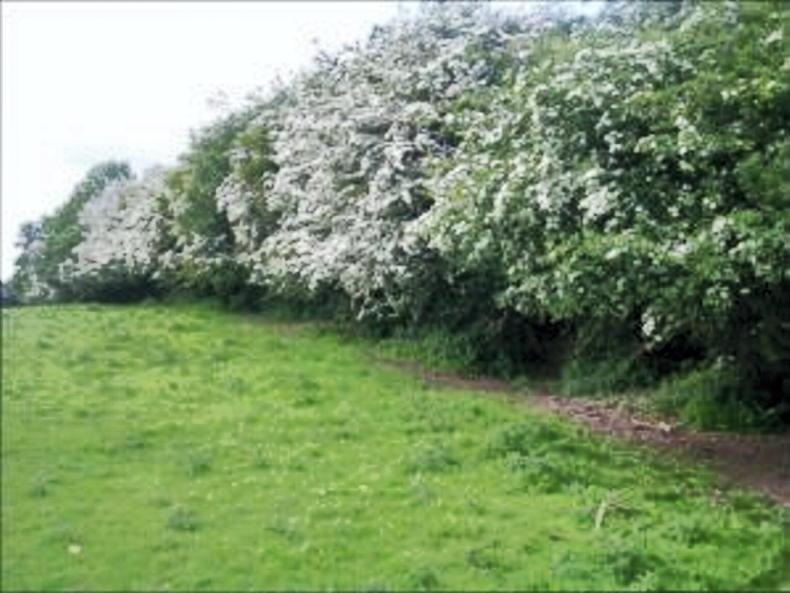
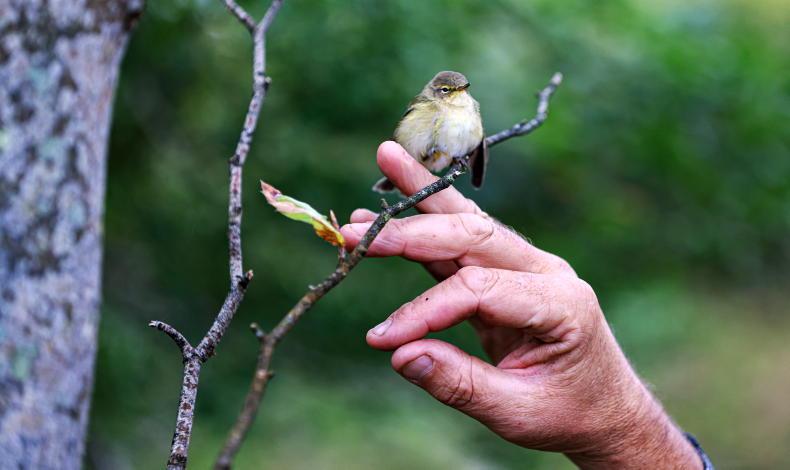
This measure concerns the area of landscape features (eg hedgerows, stone walls, drains, trees etc) and those classified as beneficial features delivering an environmental good (eg scrub, woodland, rock, trees, habitats). Under conditionality farmers must devote 4% of their lands to delivering a biodiversity benefit under Good Agricultural and Environmental Condition (GAEC) 8 as part of conditionality.
Where a farmer goes beyond this figure and has at least 7% of his/her holding classified as space for nature they will satisfy one eco scheme measure. If this figure is greater than 10% then it will satisfy two eco scheme measures and secure full payment. Over 90% of farmers will satisfy the Eco schemes requirement of new CAP with this measure See page 12 for more.
2 Extensive livestock production
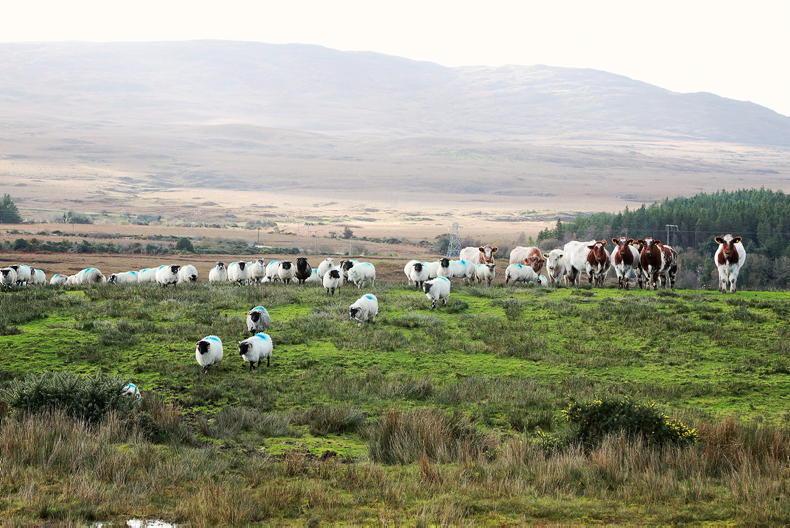
This measure promotes traditional grassland farming practices at extensive animal stocking rates. To qualify for one eco-scheme measure, the stocking rate over the previous year must be between a minimum 0.1LU/ha and a maximum of 1.4LU/ha.
This is the second eco scheme where there is an option for farmers to double up and satisfy two eco-scheme measures where they satisfy a stocking rate of less than 1.2LU/ha. Stock must be maintained for a seven-month consecutive period, similar to requirements in the Areas of Natural Constraint. The stocking rate will be based on the previous year’s levels with the exception of year one, where 2023 figures can be used.
3 Limiting chemical nitrogen
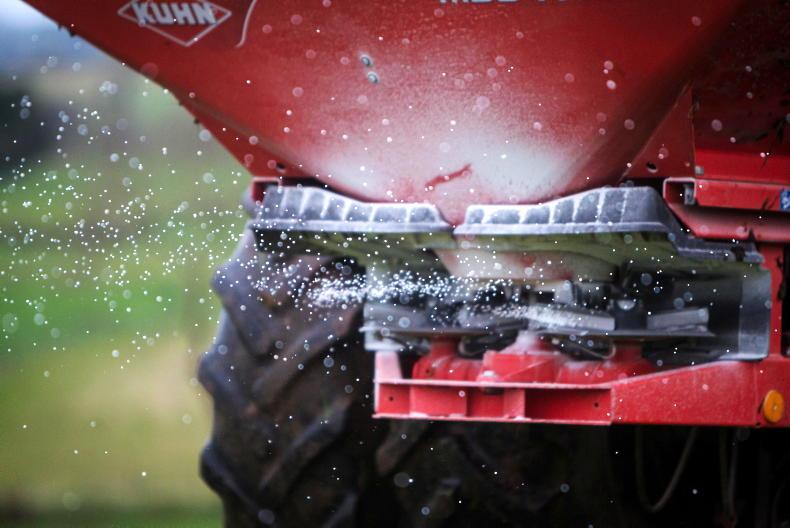
This measure was expanded from the original draft to allow more moderate and intensive farmers to limit their chemical nitrogen use to a lower level. The permitted level of chemical nitrogen is based on a farm’s stocking rate in the previous calendar year and these details are outlined in Table 1.
Each farmer will be presented with their chemical nitrogen limit in the year of the eco-scheme application based on their stocking rate in the previous year. Fertiliser usage will be monitored via the Department of Agriculture’s new fertiliser register in quarter four of the relevant years along with possible spot checks.
4 Planting of native trees
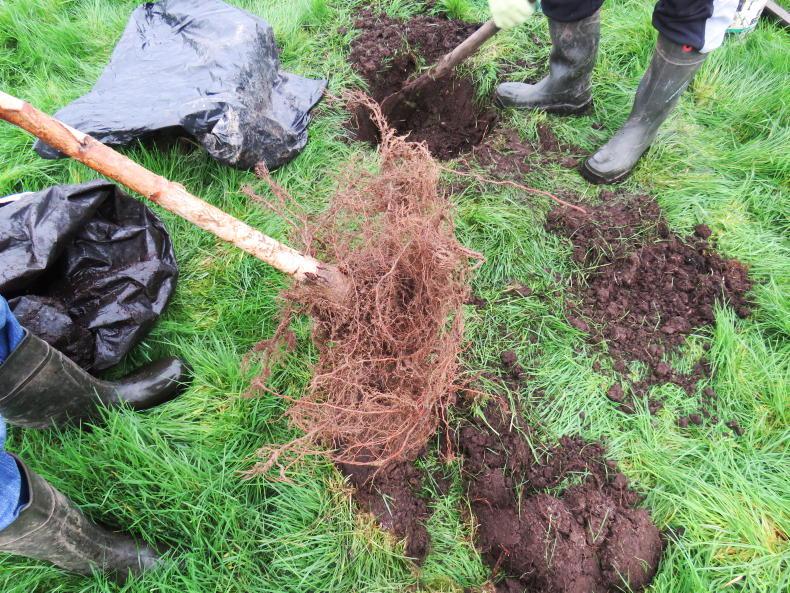
To qualify, the farmer must plant at least three native trees or 1m of native hedgerow per eligible hectare for every year this measure is used as a qualifying measure in their eco-scheme participation.
This is the second double-up option. Where a farmer elects to plant twice the commitment, ie six trees per eligible hectare or two metres of hedgerow per eligible hectare, this will count as two measures and qualify a farmer for the full eco-scheme payment. The measure must be completed in the year of selection unless availability issues dominate and the Department sanctions otherwise.
5 GPS-controlled spreaders / sprayers
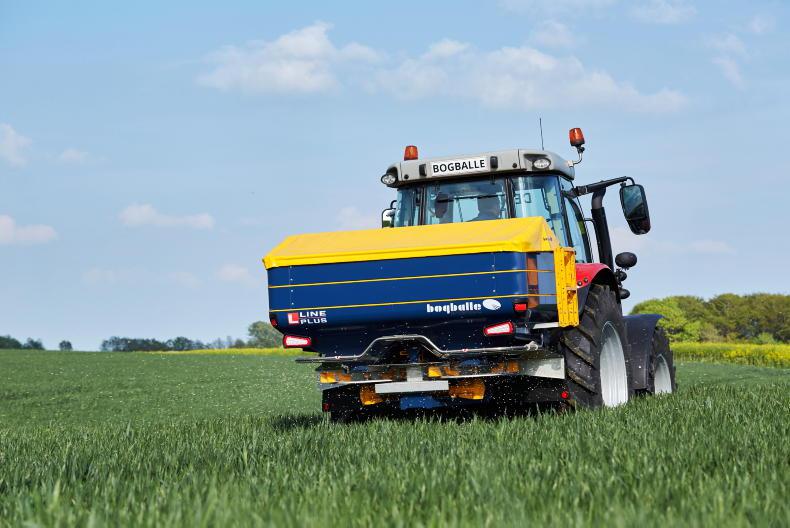
This measure will promote the use of precision machinery for application of chemical fertiliser (compound or liquid) and plant protection products via spraying, thereby reducing inputs while also reducing environmental and climate impact.
The measure requires that 100% of such products are applied using GPS-controlled devices rather than the vehicle using GPS guidance, which is far more commonly used. Agri-contractors may offer the same facility for spraying and/or fertiliser spreading and in such cases contractor invoices will need to tally with volumes purchased.
6 Soil sampling and liming
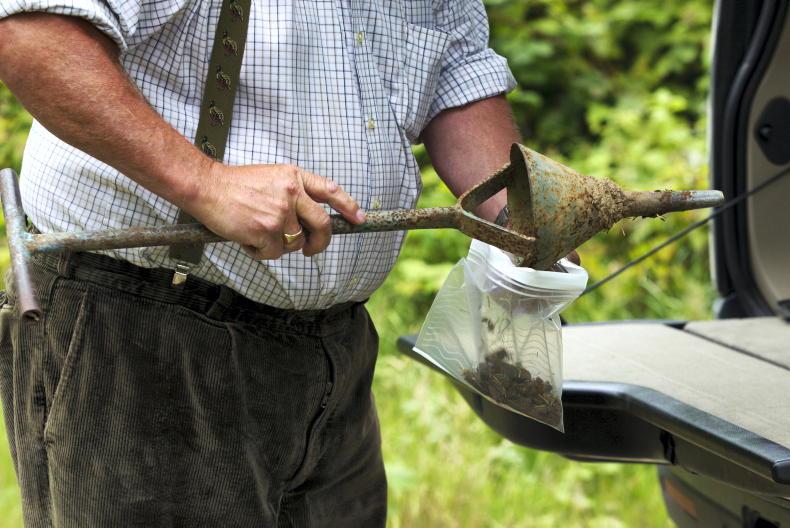
Soil sampling and, where appropriate, liming on all eligible hectares is aimed at improving soil fertility. This action can be chosen once every three years, in line with Teagasc guidance regarding the appropriate intervals between soil samples being taken.
All eligible hectares requiring lime must be limed in that year. This measure is not applicable to farmers who must take samples for other requirements, eg Nitrates derogation.
7 Enhanced crop diversification
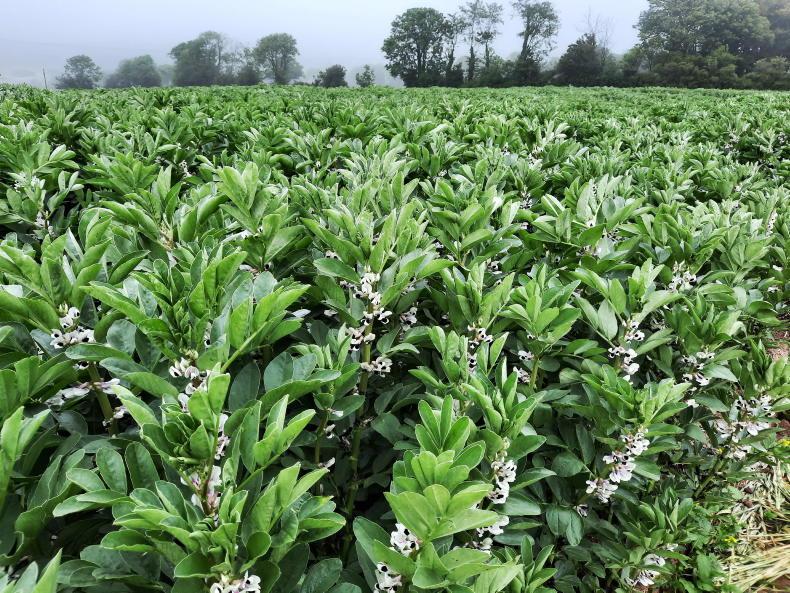
Where a farmer has a crop diversification requirement, they must plant a break crop as their second or third crop. At least 20% of the arable area of the holding in the year of the commitment must be planted to a prescribed break crop of either oilseed rape, oats, peas and beans or a combination of one or more of these crops. It is possible that further break crop options could be added in future years, if warranted.
/ Donal O' Leary
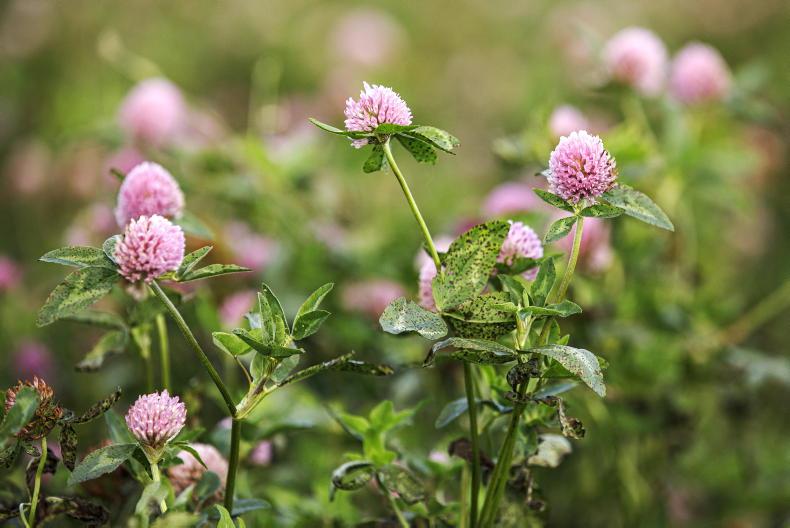
This requires that a farmer would plant a recognised multispecies sward (MSS) on at least 7% of eligible hectares entered on their BISS application in the year this is selected.
It will suffice as one eco-scheme measure and if a farmer selected it in another year then they would need to plant an additional 7% of their holding.
For example, a farmer with 50ha of eligible area would be required to plant 3.5ha each year the option is selected. There are no details as yet regarding the prescribed seed mixture that would need to be used.
There has been a huge focus on the new eco scheme since details were first published in the CAP Strategic Plan 2023-2027. This is not surprising given that it will account for 25% of the direct payments budget under Pillar I, amounting to almost €1.5bn over the next five years.
Participation in the eco scheme is voluntary but it is important to stress that for farmers to have any chance of recouping the 25% of monies deducted from each entitlement unit they hold, then they must participate.
Discussions on eco schemes have gone full circle since first announced. Farmer views on the scheme have mellowed significantly following the news that almost 93% of farmers will meet the requirements to fulfil two eco-scheme measures under Agricultural Practice 1, or what is commonly known as “space for nature”.
This was not always the case with the suite of five eco-scheme measures first announced deemed as being too limited and restrictive and not providing enough opportunities in general to more intensive farmers.
The Department of Agriculture’s own modelling was calculated using the assumption that 15% of farmers, or some 18,000 holdings, would not participate.
In such a scenario it was envisaged that the eco scheme payment would be in the region of €76/ha to €77/ha but this estimate has now changed and it is expected that participation will be upwards of 95% and a possible payment of €65/ha to €66/ha. To achieve this payment, farmers must satisfy two eco-scheme measures.
Unforeseen circumstances
It should be noted that the Department of Agriculture was not aware that such a high percentage of farmers would comply with the space for nature eco scheme when submitting this in the CAP Strategic Plan to the European Commission.
It is possible that in the future the EU may deem that there is too high a percentage of farmers satisfying the eco-scheme requirements via space for nature and change this measure, but for now farmers can avail of this situation.
Annual basis
Farmers do not need to worry about being locked in to a system that may change subsequently as it operates on an annual basis with farmers opting to participate via the Basic Income Support for Sustainability application.
The eight eco-scheme measures including details of schemes that can be doubled up to satisfy two eco-scheme measures are outlined here.
This measure concerns the area of landscape features (eg hedgerows, stone walls, drains, trees etc) and those classified as beneficial features delivering an environmental good (eg scrub, woodland, rock, trees, habitats). Under conditionality farmers must devote 4% of their lands to delivering a biodiversity benefit under Good Agricultural and Environmental Condition (GAEC) 8 as part of conditionality.
Where a farmer goes beyond this figure and has at least 7% of his/her holding classified as space for nature they will satisfy one eco scheme measure. If this figure is greater than 10% then it will satisfy two eco scheme measures and secure full payment. Over 90% of farmers will satisfy the Eco schemes requirement of new CAP with this measure See page 12 for more.
2 Extensive livestock production
This measure promotes traditional grassland farming practices at extensive animal stocking rates. To qualify for one eco-scheme measure, the stocking rate over the previous year must be between a minimum 0.1LU/ha and a maximum of 1.4LU/ha.
This is the second eco scheme where there is an option for farmers to double up and satisfy two eco-scheme measures where they satisfy a stocking rate of less than 1.2LU/ha. Stock must be maintained for a seven-month consecutive period, similar to requirements in the Areas of Natural Constraint. The stocking rate will be based on the previous year’s levels with the exception of year one, where 2023 figures can be used.
3 Limiting chemical nitrogen
This measure was expanded from the original draft to allow more moderate and intensive farmers to limit their chemical nitrogen use to a lower level. The permitted level of chemical nitrogen is based on a farm’s stocking rate in the previous calendar year and these details are outlined in Table 1.
Each farmer will be presented with their chemical nitrogen limit in the year of the eco-scheme application based on their stocking rate in the previous year. Fertiliser usage will be monitored via the Department of Agriculture’s new fertiliser register in quarter four of the relevant years along with possible spot checks.
4 Planting of native trees
To qualify, the farmer must plant at least three native trees or 1m of native hedgerow per eligible hectare for every year this measure is used as a qualifying measure in their eco-scheme participation.
This is the second double-up option. Where a farmer elects to plant twice the commitment, ie six trees per eligible hectare or two metres of hedgerow per eligible hectare, this will count as two measures and qualify a farmer for the full eco-scheme payment. The measure must be completed in the year of selection unless availability issues dominate and the Department sanctions otherwise.
5 GPS-controlled spreaders / sprayers
This measure will promote the use of precision machinery for application of chemical fertiliser (compound or liquid) and plant protection products via spraying, thereby reducing inputs while also reducing environmental and climate impact.
The measure requires that 100% of such products are applied using GPS-controlled devices rather than the vehicle using GPS guidance, which is far more commonly used. Agri-contractors may offer the same facility for spraying and/or fertiliser spreading and in such cases contractor invoices will need to tally with volumes purchased.
6 Soil sampling and liming
Soil sampling and, where appropriate, liming on all eligible hectares is aimed at improving soil fertility. This action can be chosen once every three years, in line with Teagasc guidance regarding the appropriate intervals between soil samples being taken.
All eligible hectares requiring lime must be limed in that year. This measure is not applicable to farmers who must take samples for other requirements, eg Nitrates derogation.
7 Enhanced crop diversification
Where a farmer has a crop diversification requirement, they must plant a break crop as their second or third crop. At least 20% of the arable area of the holding in the year of the commitment must be planted to a prescribed break crop of either oilseed rape, oats, peas and beans or a combination of one or more of these crops. It is possible that further break crop options could be added in future years, if warranted.
/ Donal O' Leary
This requires that a farmer would plant a recognised multispecies sward (MSS) on at least 7% of eligible hectares entered on their BISS application in the year this is selected.
It will suffice as one eco-scheme measure and if a farmer selected it in another year then they would need to plant an additional 7% of their holding.
For example, a farmer with 50ha of eligible area would be required to plant 3.5ha each year the option is selected. There are no details as yet regarding the prescribed seed mixture that would need to be used.






SHARING OPTIONS