



Weather challenges
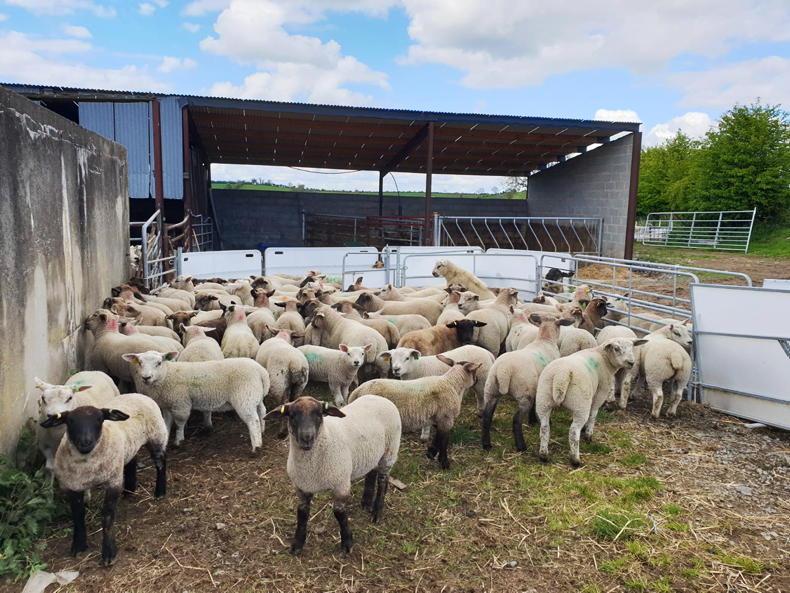
The challenging weather is starting to show on lamb performance, with reports of lambs killing poorly increasing in frequency. The issue of low grass dry matter and lower levels of grass utilisation are being exacerbated by difficulties in getting silage harvested and fertiliser applied.
With no immediate improvement in weather forecast it is important to take stock and make decisions sooner rather than later if there are any concerns regarding drafting progress. Teagasc targets for a mid-season flock lambing from the start to mid-March is to have at least 45% of lambs drafted for sale/retained as ewe lambs by mid-August, increasing to at least 70% by mid-September.
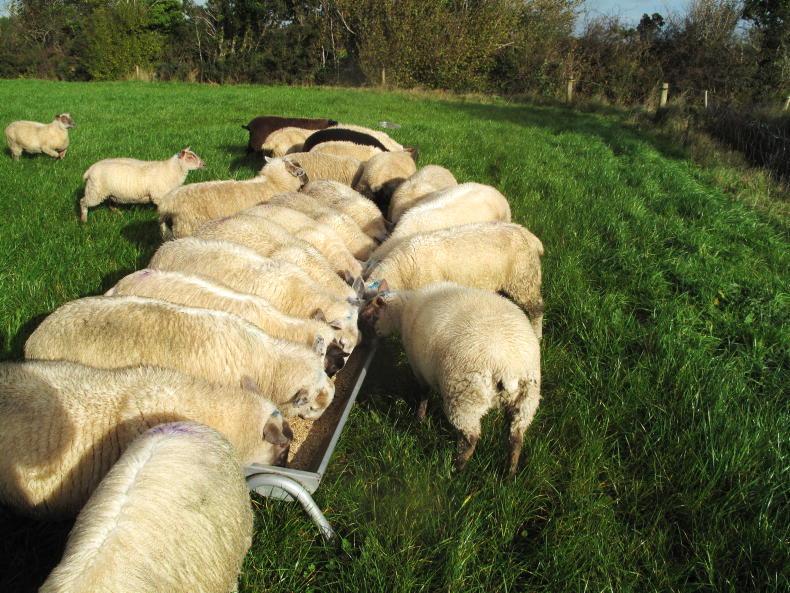
It is important to review the current position and also the liveweight and flesh cover of remaining lambs, to gauge if these targets can be met. Where lambs are on target and performing satisfactorily on good-quality grass, then there will not be a need for changes to be made. However, if there are any doubts, then it is good practice to review your finishing programme. The options available for flocks falling well behind target typically include establishing finishing groups for targeted concentrate supplementation and considering the live trade. The most economic return is typically supplementing lambs at a rate of 300g to 500g of concentrates daily. Higher supplementation rates may be worthwhile for a short, intensive finishing period in ram lambs lacking significant flesh, with these being the worst offenders at present.
Hill flocks
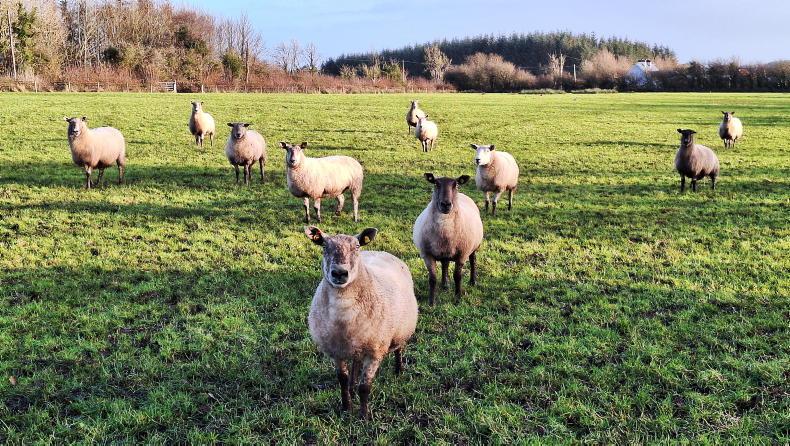
The marketing of hill lambs has been challenging in recent years and, as such, a route to market will also need to be planned. In terms of reviewing performance, Teagasc targets for flocks with a high percentage of green grazing and possibly utilising crossbreeding in a percentage of ewes is to have greater than 80% of lambs weighing in excess of 25kg. In harder hills, where ewes have a lower mature weight and access to poorer-quality herbage, the target reduces to about 60% to 70% of lambs weighing over 25kg. The Teagasc store lamb calculator is a good aid in assessing options for buyers and sellers, and can be found at https://www.teagasc.ie/animals/sheep/financial-management/.
Farm-to-farm movements
Remember, in the case of permanent farm-to-farm sheep movements, it is the purchaser of sheep who is required to submit the pink copy of the dispatch document to his/her local Regional Department of Agriculture office. The movement must be recorded within seven days. Sheep traded in farm-to-farm movements must be double tagged, irrespective of if the planned next move is to a factory/abattoir.
Genotyped rams
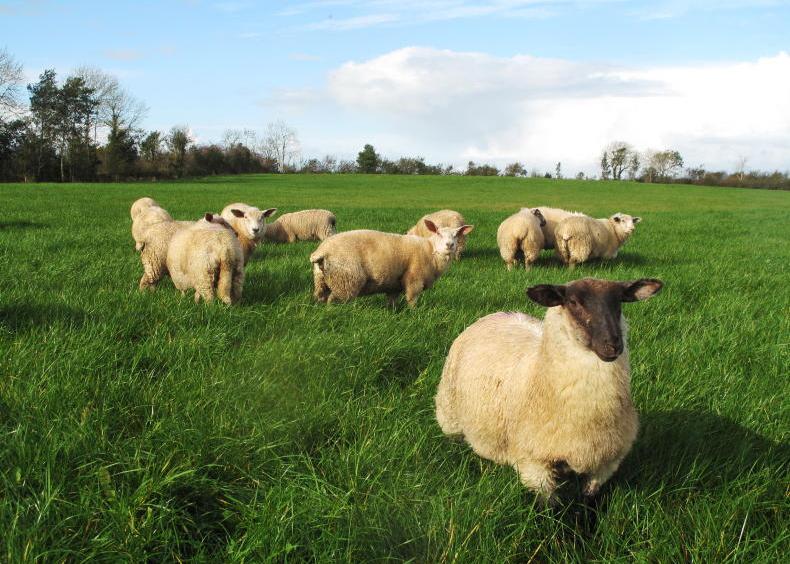
Questions continue to come in regarding the Sheep Improvement Scheme genotyped ram action. Where rams are being presented in society sales, then the green tick for ‘SIS’ eligible should be displayed for scheme-eligible rams. Rams purchased without being genotyped and subsequently genotyped, will not satisfy the requirements for the purchasing flock. If in doubt, the tag number can be entered in to the Sheep Ireland ram search facility.
Date for the diary
The All-Ireland and All-Nations Shearing and Wool Handling Championships will take place on 8-9 August, as part of Clonmany Agricultural Show, which is held at Pollan Green, Ballyliffin, Co Donegal. Shearing on Tuesday includes heats for the various competitions and the Donegal confined and wool-handling competitions, while Wednesday’s events will include the All-Ireland and six nations.



SHARING OPTIONS