Selecting the blowfly prevention product that best suits your needs
There is a wide range of blowfly prevention products on the markets but it is important to note that there are vast differences in their characteristics.
The last two to three years have been variable in terms of blowfly strike, with outbreaks often occurring outside their usual timeframe. May is generally the month when issues start to appear, although the greatest issues were felt later in the season in 2017. Some farmers will delay undertaking preventative programmes until the first cases appear while others will tie in treatments with other early summer health treatments.
There are several products on the market and with a wide range in characteristics selection should focus on more than price alone. For example, products differ in the range of external parasites they cover. Dipping is the complete treatment for all external parasites but some farmers prefer to wait until later in the season before dipping while others target pour-ons for longer protection to blowfly strike.
There are also significant differences with pour-ons with some providing protection against ticks, headflies and biting lice and being more suitable to hill enterprises.
ADVERTISEMENT
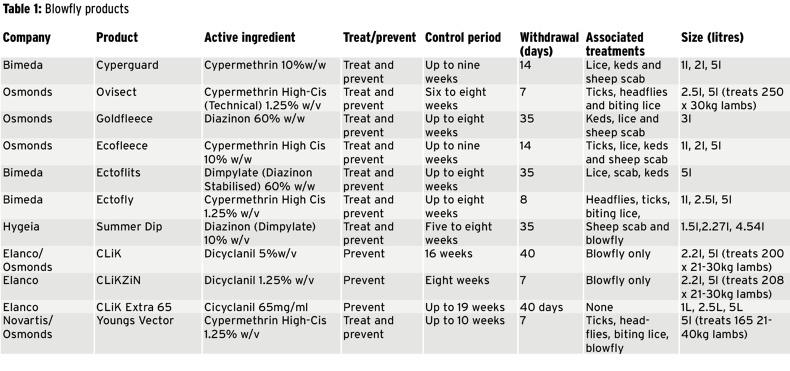
Table 1 shows a list of products on the market and important information farmers need to make their decision. Withdrawal periods should be carefully assessed as these vary greatly between individual products.
There is an addition to the list in 2018 – CLiK Extra 65 has been added. The product was available in limited quantities in select outlets 2017 but Elanco says the product will be available countrywide in 2018. It has the longest duration of protection of up to 19 weeks and a withdrawal period of 40 days. The summary of product characteristics states that it will also treat blowfly but that established treatments may require separate treatment.
Wear protective clothing
Care should always be taken with all veterinary products. The first step when dipping or applying any pour-ons to sheep should be to wear protective clothing and a respiratory mask. The biggest risk factor is when handling products containing organophosphate. These can pose a significant health risk where farmers are exposed to them. When handling these products and when dipping ewes, it is essential that full protective clothing is worn to prevent contact with skin and eye protection is also advised. Where disposing of spent or unused products/containers it is important to follow manufacturer’s guidelines.
Register for free to read this story and our free stories.
This content is available to digital subscribers and loyalty code users only. Sign in to your account, use the code or subscribe to get unlimited access.
The reader loyalty code gives you full access to the site from when you enter it until the following Wednesday at 9pm. Find your unique code on the back page of Irish Country Living every week.
CODE ACCEPTED
You have full access to the site until next Wednesday at 9pm.
CODE NOT VALID
Please try again or contact support.
The last two to three years have been variable in terms of blowfly strike, with outbreaks often occurring outside their usual timeframe. May is generally the month when issues start to appear, although the greatest issues were felt later in the season in 2017. Some farmers will delay undertaking preventative programmes until the first cases appear while others will tie in treatments with other early summer health treatments.
There are several products on the market and with a wide range in characteristics selection should focus on more than price alone. For example, products differ in the range of external parasites they cover. Dipping is the complete treatment for all external parasites but some farmers prefer to wait until later in the season before dipping while others target pour-ons for longer protection to blowfly strike.
There are also significant differences with pour-ons with some providing protection against ticks, headflies and biting lice and being more suitable to hill enterprises.
Table 1 shows a list of products on the market and important information farmers need to make their decision. Withdrawal periods should be carefully assessed as these vary greatly between individual products.
There is an addition to the list in 2018 – CLiK Extra 65 has been added. The product was available in limited quantities in select outlets 2017 but Elanco says the product will be available countrywide in 2018. It has the longest duration of protection of up to 19 weeks and a withdrawal period of 40 days. The summary of product characteristics states that it will also treat blowfly but that established treatments may require separate treatment.
Wear protective clothing
Care should always be taken with all veterinary products. The first step when dipping or applying any pour-ons to sheep should be to wear protective clothing and a respiratory mask. The biggest risk factor is when handling products containing organophosphate. These can pose a significant health risk where farmers are exposed to them. When handling these products and when dipping ewes, it is essential that full protective clothing is worn to prevent contact with skin and eye protection is also advised. Where disposing of spent or unused products/containers it is important to follow manufacturer’s guidelines.
If you would like to speak to a member of our team, please call us on 01-4199525.
Link sent to your email address
We have sent an email to your address. Please click on the link in this email to reset your password. If you can't find it in your inbox, please check your spam folder. If you can't find the email, please call us on 01-4199525.
ENTER YOUR LOYALTY CODE:
The reader loyalty code gives you full access to the site from when you enter it until the following Wednesday at 9pm. Find your unique code on the back page of Irish Country Living every week.






SHARING OPTIONS