The Bord Bia Quality Assurance (BBQA) scheme has been attracting more scrutiny in recent months. More farmers are voicing concerns about impending audits, with the Irish Farmers Association (IFA) also recently criticising the intensity of inspections. The IFA believes that the inspections are putting farmers under more pressure than usual, singling out the number of photos auditors take as one worrying factor.
Growth in scheme
The BBQA scheme has grown greatly over the last three years, with an increase in the Quality Payment Scheme (QPS) bonus from 6c/kg to 12c/kg, encouraging a higher number to partake in the voluntary scheme.
At present, there are over 44,000 beef farmers, over 12,000 sheep farmers and more than 8,000 dairy farmers participating. As such, the number of audits has also grown in tandem with Bord Bia reporting an increase in the range of 30% in the last three years.
Failure rates have unfortunately also risen by 2% to 3% and with some fluctuation from year to year remain within a range of 4.5% to 7%. Farmers will be hoping that a review of the scheme will witness audits and inspections become more lenient rather than tougher. But, until then, farmers must remain vigilant and ensure that they are sufficiently prepared for inspections.
The main aspects to consider have been covered previously but given the volume of discussions in recent months, a refresher course is very worthwhile.
Main offenders
Recordkeeping is the root of most issues, with documentation of animal medicine, their storage and administration the greatest offenders. Bord Bia also reports a rise in health and safety matters identified during the farm walk. Previously, auditors concentrated on the farm’s safety statement.
Farmers are legally required to have a farm safety risk assessment. The bovine herd register and the flock register are also important records. Ensure that they are complete and up to date on the day of the audit as these records are required under legislation.
Health records
All animal health remedies purchased or brought on to the farm through veterinary prescriptions or on-farm administration must be recorded. The required data includes the date of purchase, name of medicine, quantity purchased and supplier.
All of these records are required to be kept by farmers regardless of whether they are members of the BLQAS or not as they are legal requirements.
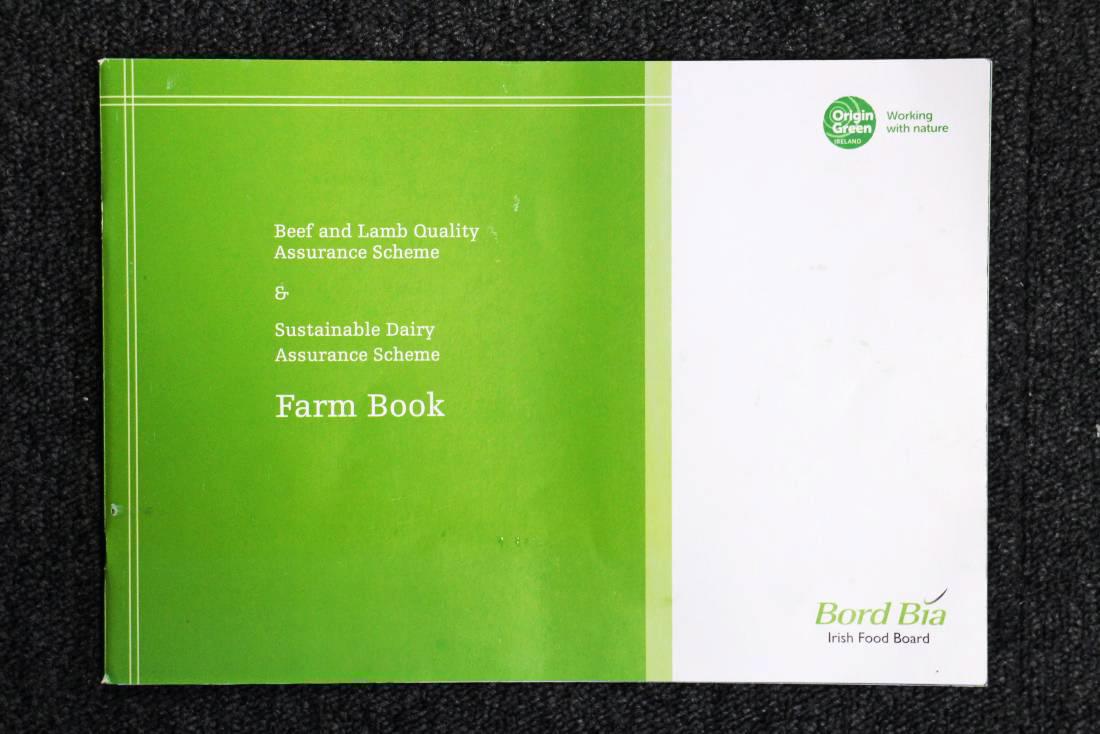
Table 1 details an example of the information required and the format for recording in the Bord Bia farm book. Information can also be documented and stored in an alternative written format, such as a receipt/purchase documents book or on a computer package with the focus being to record all data ensuring it is available to the auditor.
Like animal remedy purchases, data on administration of animal remedies can be recorded in numerous places, including the Bord Bia farm book, computer packages, herd register or other formats.
Compulsory information includes the date of administration, remedy name, volume administered and identity of animals along with the date the withdrawal period ends (rather than the actual withdrawal) and the person administering the remedy.
Where recording the identity of animals, there are two main options recommended. If the number of animals receiving treatment is singular or small, it is advised to record the tag number of the animal. Where a large batch of animals are being treated, it is acceptable to record the treatment as a batch treatment. In such a situation, you must record a clear reference to the batch of animals (that can be followed up on from the herd/flock register or other means) and the number of animals receiving treatment. Examples of different recording options are shown in Table 2.
This is a critical area of the audit process and great care should be taken to ensure records are up to date and adequately recorded. Auditors also assess the volume of records and are keen to see a mixture of individual and batch treatments, explaining it is more realistic for a normal herd or flock.
Storing medicines
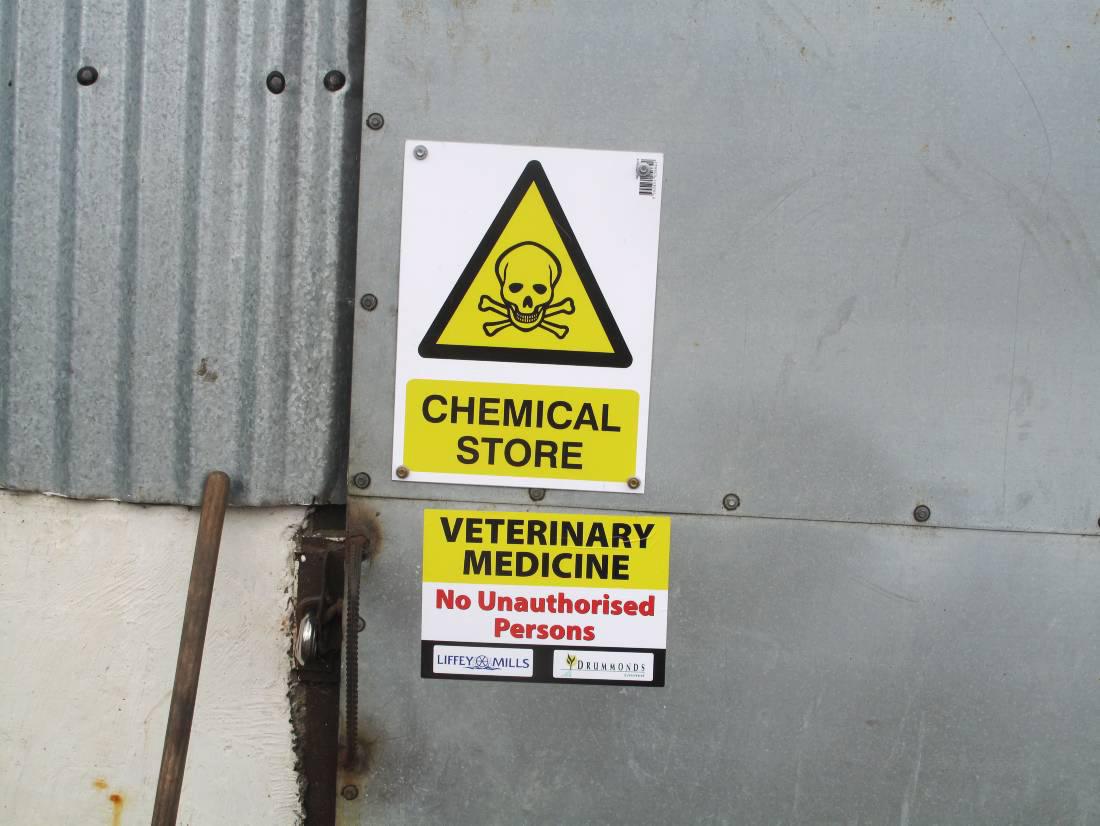
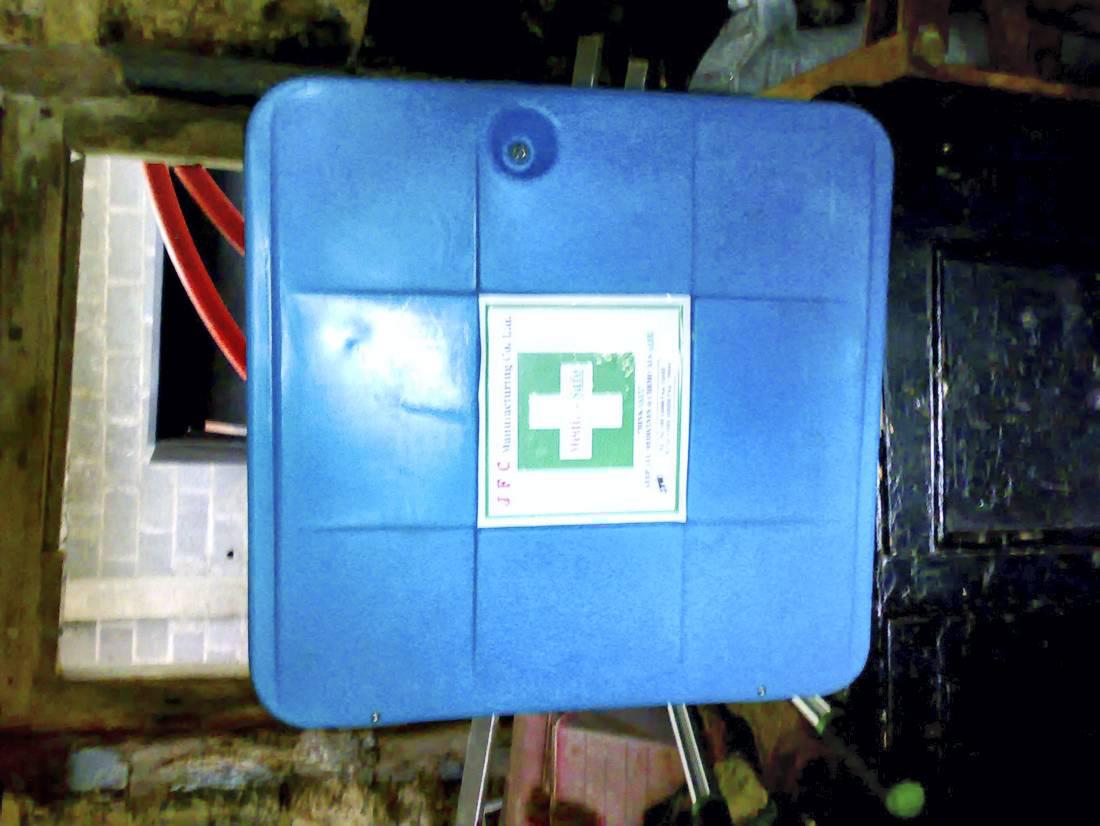
Animal remedies must be stored in a storage container or shed that can be locked, independent to any other substances or chemicals. Storage units can be specially designed, such as the JFC medicine store or an alternative unit, eg an old fridge or filing cabinet. If storing in a shed, medicines must be stored on their own shelf or area separate to other materials such as chemicals, grease and oils.
All medicines in the store must be in-date with their purchase recorded. As mentioned previously, medicines must be purchased from an approved supplier and possess a veterinary product approval (VPA) number, which the auditor will check. Auditors are also keen to see needles stored in their own labelled box/container.
Feed records
The required information relating to the purchase of animal feeds includes the date of purchase, product name or description, feed invoice or batch number where available, the quantity purchased and the feed supplier. An example of such is shown in Table 3.
The auditor will also check that feeds are stored in a dry area which prevents cross-contamination with any other substances and also avoids access from birds or vermin. A word of caution – feed for dogs or cats cannot be stored in the same area as livestock feed.
Miscellaneous factors
There are several other aspects that are important to cover. While many of these will not lead to failure of the audit, they will count as a non-compliance requiring addressing before subsequent inspections.
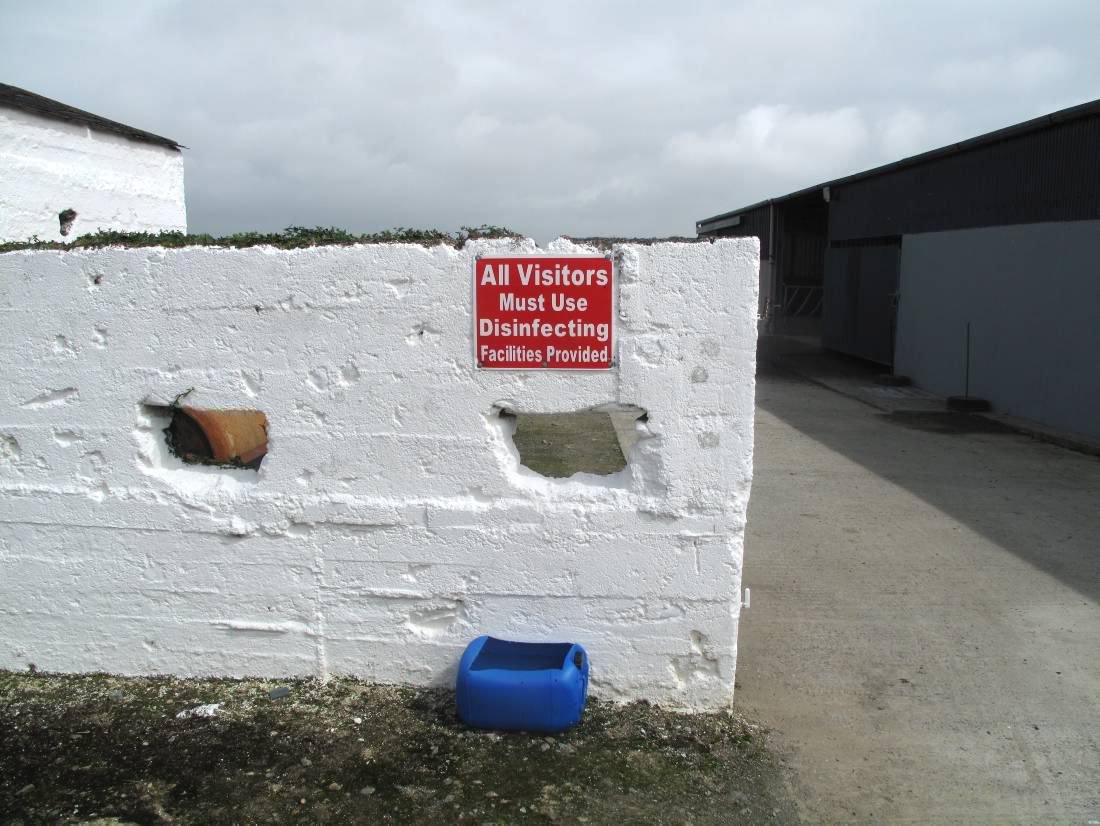
Signage: For farmers who are close to their audit, take note that signage requirements have changed. Many farms have a farm safety notice at the entrance to the farmyard cautioning against unauthorised entry and dangers on the farm. An associated sign cautioning on biosecurity measures or a new sign incorporating biosecurity and health and safety advice is the optimum. It is also desirable to have foot-bathing facilities and a sign asking people entering the farm to dip their feet on entry to the yard.Health and safety: As mentioned at the outset, auditors will also be vigilant for health and safety risks while carrying out the farm inspection. A copy of the farm’s health and safety statement must also be provided.Housing and facilities: Housing facilities should be sufficient to over-winter animals in satisfactory conditions and at the appropriate stocking rates. Where audits take place outside of the housing period, it is desirable, but not essential, to wash and disinfect facilities.Vermin control: If vermin are controlled by setting of poison, bait boxes must be clearly marked with their location clearly highlighted.Worming of cats/dogs: Evidence is required to show that dogs or cats on the farm have received at least one worm treatment in the last year. Failure to implement will not deny certification but will be recorded as a non-compliance for recording.Certification is not immediate after the audit. The auditor does not make the decision on pass/fail; they make a recommendation. The audit report is then reviewed independently where the auditor’s recommendation is supported or challenged.
The report of the auditor and the reviewer is presented to the certification committee where the final decision is made. This can take two to four weeks after the audit. Certification is effective from the date the certification committee approves certification.
Where a farmer undergoes an audit to renew certification, the new certification period will only start once the previous certification period has finished.
For existing, Bord Bia says a participant’s current status remains until the committee makes its decision.
Farmers who fail an audit are generally excluded from the scheme for a minimum of three months, although in certain cases appeals can be heard by the committee prior to this.
The Bord Bia Quality Assurance (BBQA) scheme has been attracting more scrutiny in recent months. More farmers are voicing concerns about impending audits, with the Irish Farmers Association (IFA) also recently criticising the intensity of inspections. The IFA believes that the inspections are putting farmers under more pressure than usual, singling out the number of photos auditors take as one worrying factor.
Growth in scheme
The BBQA scheme has grown greatly over the last three years, with an increase in the Quality Payment Scheme (QPS) bonus from 6c/kg to 12c/kg, encouraging a higher number to partake in the voluntary scheme.
At present, there are over 44,000 beef farmers, over 12,000 sheep farmers and more than 8,000 dairy farmers participating. As such, the number of audits has also grown in tandem with Bord Bia reporting an increase in the range of 30% in the last three years.
Failure rates have unfortunately also risen by 2% to 3% and with some fluctuation from year to year remain within a range of 4.5% to 7%. Farmers will be hoping that a review of the scheme will witness audits and inspections become more lenient rather than tougher. But, until then, farmers must remain vigilant and ensure that they are sufficiently prepared for inspections.
The main aspects to consider have been covered previously but given the volume of discussions in recent months, a refresher course is very worthwhile.
Main offenders
Recordkeeping is the root of most issues, with documentation of animal medicine, their storage and administration the greatest offenders. Bord Bia also reports a rise in health and safety matters identified during the farm walk. Previously, auditors concentrated on the farm’s safety statement.
Farmers are legally required to have a farm safety risk assessment. The bovine herd register and the flock register are also important records. Ensure that they are complete and up to date on the day of the audit as these records are required under legislation.
Health records
All animal health remedies purchased or brought on to the farm through veterinary prescriptions or on-farm administration must be recorded. The required data includes the date of purchase, name of medicine, quantity purchased and supplier.
All of these records are required to be kept by farmers regardless of whether they are members of the BLQAS or not as they are legal requirements.
Table 1 details an example of the information required and the format for recording in the Bord Bia farm book. Information can also be documented and stored in an alternative written format, such as a receipt/purchase documents book or on a computer package with the focus being to record all data ensuring it is available to the auditor.
Like animal remedy purchases, data on administration of animal remedies can be recorded in numerous places, including the Bord Bia farm book, computer packages, herd register or other formats.
Compulsory information includes the date of administration, remedy name, volume administered and identity of animals along with the date the withdrawal period ends (rather than the actual withdrawal) and the person administering the remedy.
Where recording the identity of animals, there are two main options recommended. If the number of animals receiving treatment is singular or small, it is advised to record the tag number of the animal. Where a large batch of animals are being treated, it is acceptable to record the treatment as a batch treatment. In such a situation, you must record a clear reference to the batch of animals (that can be followed up on from the herd/flock register or other means) and the number of animals receiving treatment. Examples of different recording options are shown in Table 2.
This is a critical area of the audit process and great care should be taken to ensure records are up to date and adequately recorded. Auditors also assess the volume of records and are keen to see a mixture of individual and batch treatments, explaining it is more realistic for a normal herd or flock.
Storing medicines
Animal remedies must be stored in a storage container or shed that can be locked, independent to any other substances or chemicals. Storage units can be specially designed, such as the JFC medicine store or an alternative unit, eg an old fridge or filing cabinet. If storing in a shed, medicines must be stored on their own shelf or area separate to other materials such as chemicals, grease and oils.
All medicines in the store must be in-date with their purchase recorded. As mentioned previously, medicines must be purchased from an approved supplier and possess a veterinary product approval (VPA) number, which the auditor will check. Auditors are also keen to see needles stored in their own labelled box/container.
Feed records
The required information relating to the purchase of animal feeds includes the date of purchase, product name or description, feed invoice or batch number where available, the quantity purchased and the feed supplier. An example of such is shown in Table 3.
The auditor will also check that feeds are stored in a dry area which prevents cross-contamination with any other substances and also avoids access from birds or vermin. A word of caution – feed for dogs or cats cannot be stored in the same area as livestock feed.
Miscellaneous factors
There are several other aspects that are important to cover. While many of these will not lead to failure of the audit, they will count as a non-compliance requiring addressing before subsequent inspections.
Signage: For farmers who are close to their audit, take note that signage requirements have changed. Many farms have a farm safety notice at the entrance to the farmyard cautioning against unauthorised entry and dangers on the farm. An associated sign cautioning on biosecurity measures or a new sign incorporating biosecurity and health and safety advice is the optimum. It is also desirable to have foot-bathing facilities and a sign asking people entering the farm to dip their feet on entry to the yard.Health and safety: As mentioned at the outset, auditors will also be vigilant for health and safety risks while carrying out the farm inspection. A copy of the farm’s health and safety statement must also be provided.Housing and facilities: Housing facilities should be sufficient to over-winter animals in satisfactory conditions and at the appropriate stocking rates. Where audits take place outside of the housing period, it is desirable, but not essential, to wash and disinfect facilities.Vermin control: If vermin are controlled by setting of poison, bait boxes must be clearly marked with their location clearly highlighted.Worming of cats/dogs: Evidence is required to show that dogs or cats on the farm have received at least one worm treatment in the last year. Failure to implement will not deny certification but will be recorded as a non-compliance for recording.Certification is not immediate after the audit. The auditor does not make the decision on pass/fail; they make a recommendation. The audit report is then reviewed independently where the auditor’s recommendation is supported or challenged.
The report of the auditor and the reviewer is presented to the certification committee where the final decision is made. This can take two to four weeks after the audit. Certification is effective from the date the certification committee approves certification.
Where a farmer undergoes an audit to renew certification, the new certification period will only start once the previous certification period has finished.
For existing, Bord Bia says a participant’s current status remains until the committee makes its decision.
Farmers who fail an audit are generally excluded from the scheme for a minimum of three months, although in certain cases appeals can be heard by the committee prior to this.







SHARING OPTIONS