



Clostridial diseases
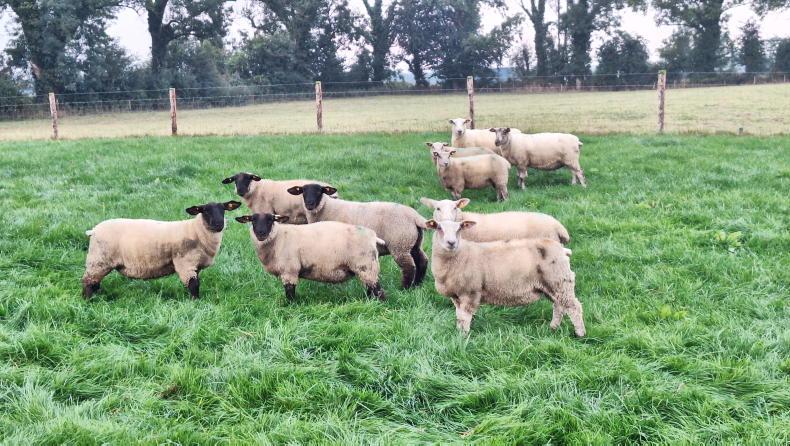
There has been an increase in reports from vets and farmers over the last fortnight regarding sheep succumbing to clostridial diseases. The majority of cases include lambs which have experienced a significant change in environment such as store lambs moving onto a new farm, lambs being transferred onto lush grass or lambs being housed for intensive finishing.
Some cases of mortality have been linked to braxy while others have been confirmed or suspected to be caused by pasteurella pneumonia. Farmers should discuss appropriate vaccination strategies with their vet as the purchase of lambs and significant changes in environment are significant risk factors.
Meal feeding training
Where flocks are planning to house lambs for finishing intensively indoors then having lambs accustomed to eating concentrates will generally facilitate a much smoother transition to an indoor environment. This is especially relevant to Scottish Blackface lambs, which can take longer to acclimatise.
It is also worthwhile to train replacement ewe lambs into eating concentrates and hay/silage where such lambs are destined to return to hill grazing. This will allow feed to be supplemented to lambs more easily if it is needed due to adverse weather in the coming months.
A ration over pelleted concentrate feeds will often work better in encouraging lambs to eat with cooked/crunch or rations with a significant molasses content often working best. Once lambs are eating satisfactorily then a straightforward high-energy ration or nut will suffice.
Remember to build volumes offered slowly. Offering fresh feed on a regular basis is the best option. Where new batches of lambs are brought onto the farm and are not accustomed to eating feed then adding lambs or cull ewes that will readily eat will help encourage shy eaters to feed troughs.
Marketing lambs
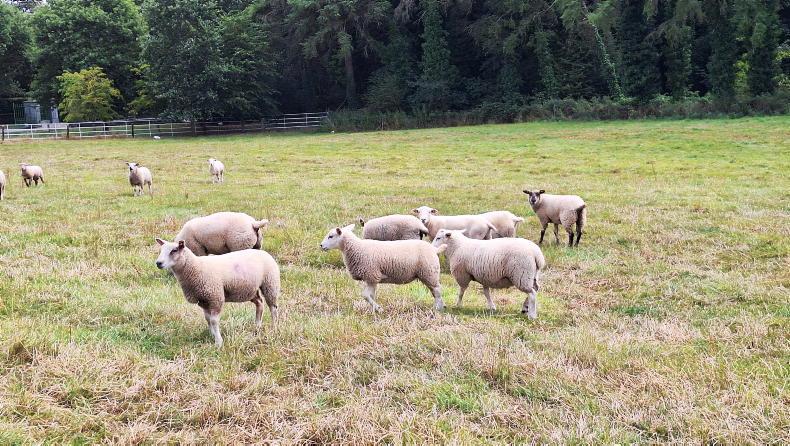
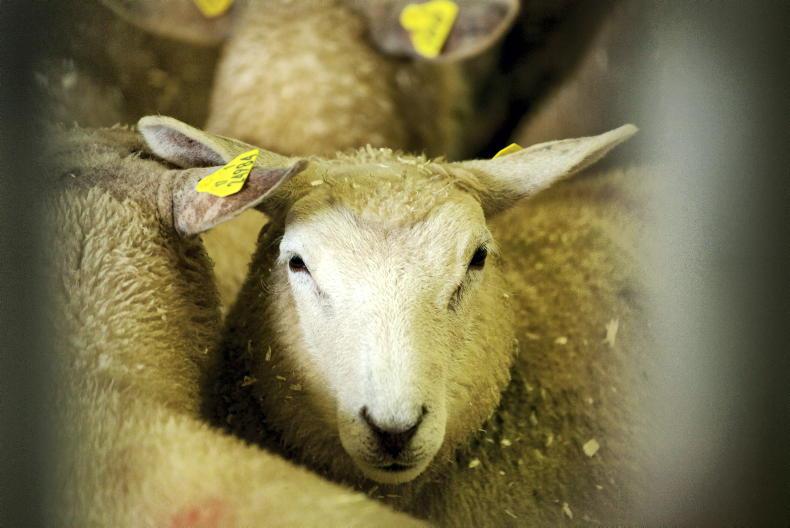
Demand for store lambs has picked up significantly, but there is a considerable difference between prices paid depending on how lambs are presented. Mart managers are advising farmers not to group mixed batches of ewe and ram lambs together, highlighting that this limits the number of customers interested.
There should also ideally not be a weight range of more than 5kg between lambs in batches. Demand for ewe lambs with breeding potential is mixed but good-quality lots are in general commanding a premium on price.
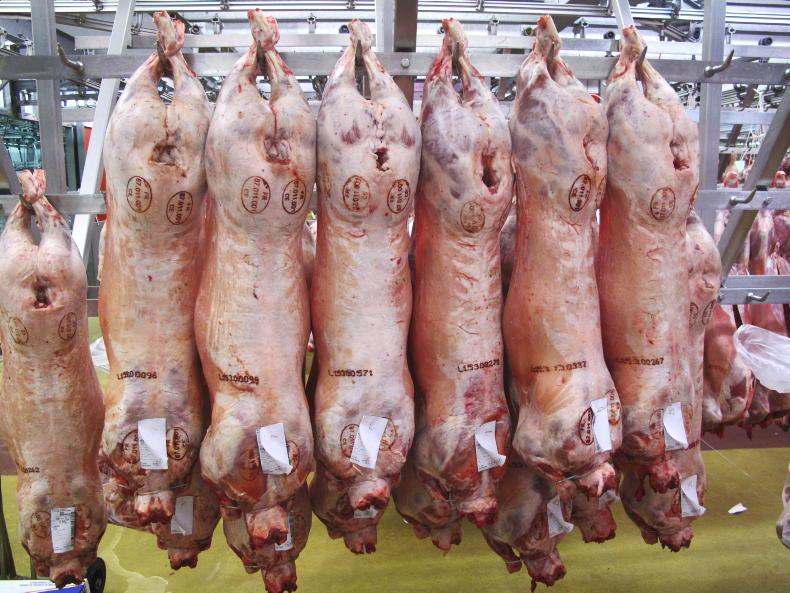
A good trade has also materialised in some sales for heavier-fleshed lambs where wholesale and butcher buyers are active. Such buyers are typically put off from bidding where there are lambs in a batch with a lower flesh cover. Avoiding such a scenario will maximise competition.
Temporary grazing costs
Last week’s rules on temporary grazing triggered some queries about the cost of temporary grazing. There is more interest reported in some areas due to an increase in store lamb prices.
The number of deals completed are low so far, but for those that are there is generally no change. Costs per ewe vary anywhere from 10c/day to 20c/day with grass quality, land type and fencing all having an influence on price.
Daily costs for lambs range anywhere from 10c/day for light lambs to 15c/day for heavier types under short-term agreements.



SHARING OPTIONS