



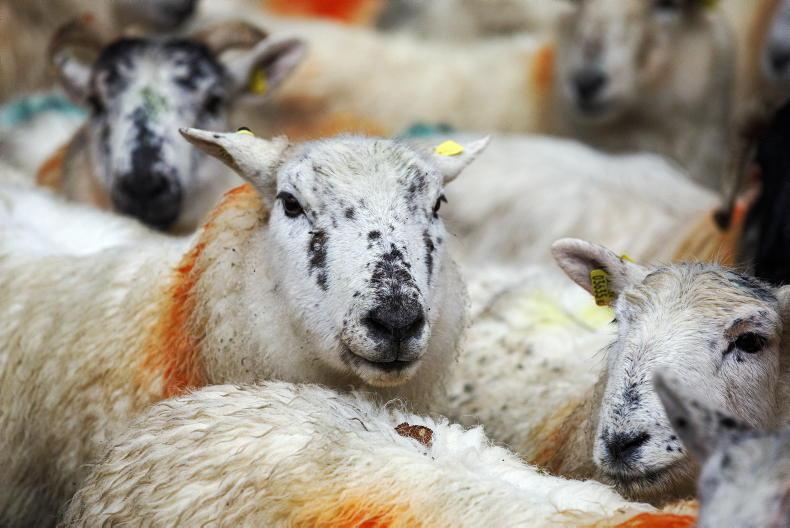
Fluke treatment: a number of vets have raised caution about liver fluke disease in outwintered sheep following some losses in recent weeks.
It is important to review your dosing programme where sheep are outwintered on lands with a high risk of a high population of parasites. The traditional advice was treating outwintered sheep in November, January and April. A treatment in between may be warranted if there is a demonstrated need.
Speak with your vet if there are signs of ill thrift or ewes losing condition along with the classical symptoms of chronic liver fluke, including a bottle jaw appearance, loose wool and anaemia.
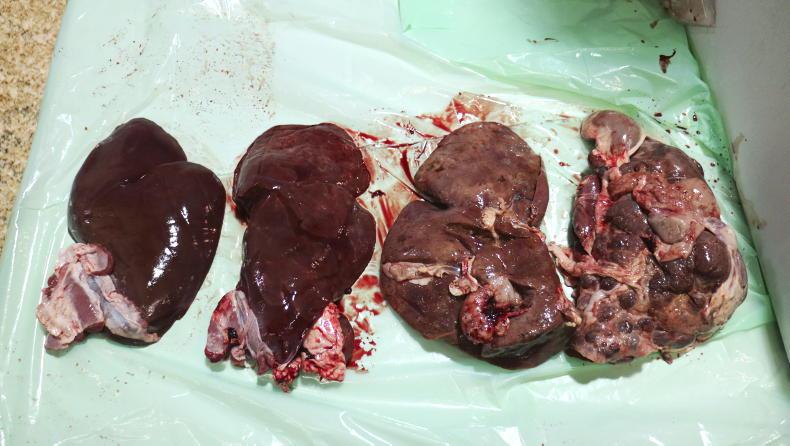
It is beneficial to send any sheep which die unexpectedly for postmortem, or where liver fluke is thought to be the cause then your vet will be able to check on the health status of the liver. Following up on the health status of livers in slaughtered sheep will also help.
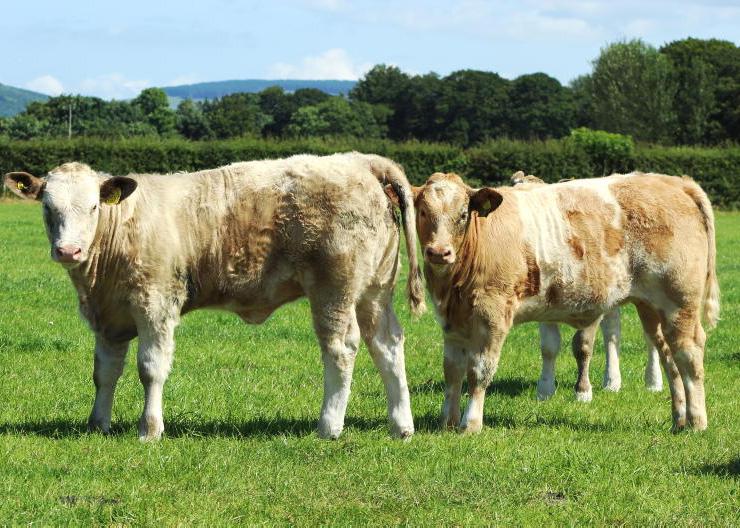
Clean livestock policy: it is not surprising that there are continued issues cropping up with hoggets falling foul of the clean livestock policy. Where you are considering shearing in the final few weeks pre-slaughter it is important to consider that if sheep need to be shorn again, a period of wool regrowth is required.
Teagasc research has shown that four weeks’ wool regrowth will typically be required before slaughter to be in a position to clip lambs again if needed to comply with the clean livestock policy.
This advice applies to lowland and hill breeds. If hoggets are to be shorn pre-slaughter, then it may be better to delay until the point of slaughter rather than too close to it.
Soil samples: it seems mad to be talking about fertiliser when you would need a hovercraft to have any hope of spreading it on a lot of sheep ground. However, it is no harm to be establishing what fertiliser you can apply and be lining it up for when there is an opportunity to apply it.
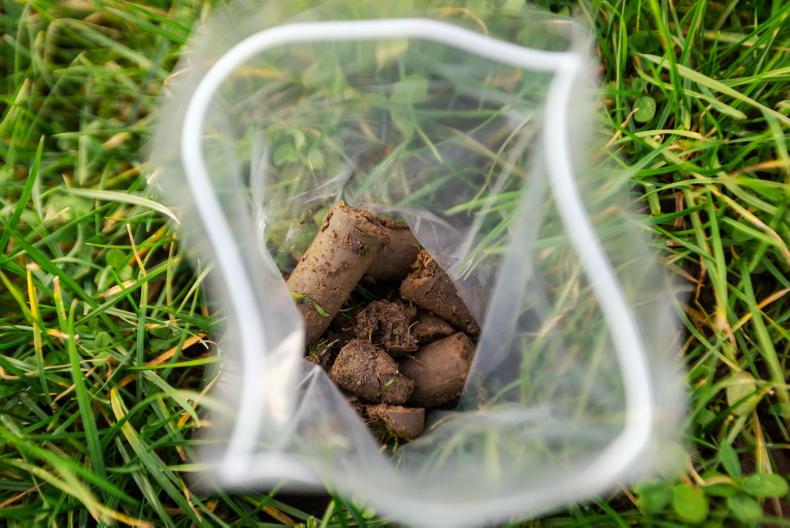
This week’s fertiliser focus article on pages 48 and 49 discuss fertiliser allowances. Having up to date soil analysis results can have a big influence on the volume of phosphorus fertiliser that can be applied. It is worth noting that samples have a lifetime use of four years for nitrates purposes.
As such where there is no soil sample analysis available it is important to get soil samples taken and analysed before any organic or chemical fertilisers are applied.
Remember that where soil samples are being submitted they must now be identified with the LPIS parcel numbers from which they have been taken, or with GIS coordinates. The payback on the cost of a sample is quickly recouped by being in a position to apply the most appropriate fertiliser and being able to address any soil pH deficits to improve the efficiency of applied nutrients.
Alternative options: weather shows no real signs of improving in the long-term forecast. Where possible it is wise to explore potential options to be in a position to retain lambs indoors for longer.
I have heard of some farmers wrapping round bales of straw or hay recently to temporarily free up space. Are there storage sheds where additional space can be created or passageways that can accommodates extra pens? Also, have you enough straw on hand to retain sheep indoors for longer?



SHARING OPTIONS