



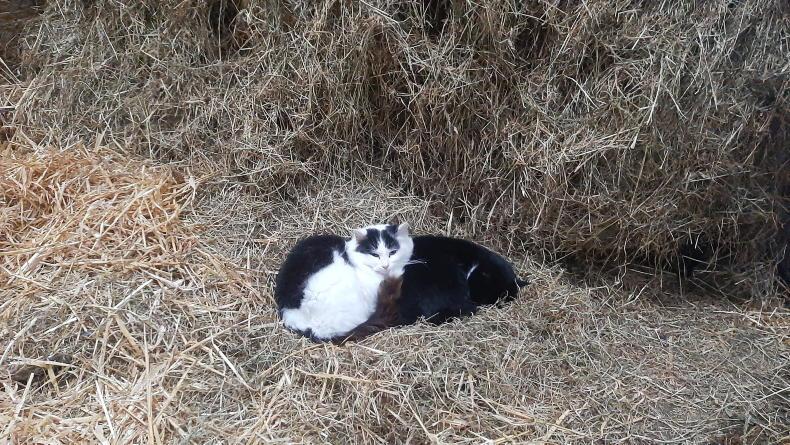
A story by Barry Murphy regarding farmers in Aughrim, Co Wicklow, and other areas being concerned with high numbers of feral cats and the risk of toxoplasmosis is also coinciding with questions from farmers who took advantage of weather to make hay and are now also concerned with a heightened risk of toxoplasmosis.
Some of the questions raised concern the timing of feeding hay. Toxoplasmosis oocysts are typically shed for a short period of time during the transition from weaning to young cats first starting to hunt.
The infection in cats is caused by the ingestion of infected rodents, with oocysts multiplying to a huge degree in the cat. The cat will become immune after a few weeks but the oocysts shed on feed, pasture, etc, and ingested by ewes can cause substantial damage.
The damage caused depends on the timing of infection and immune status of the ewe, with previously infected ewes generally developing immunity for life. Where a naïve pregnant animal is infected in the first 60 days of gestation, the result is usually absorption of the foetus and the ewe identified as barren.
Where infection occurs between day 60 and day 120 of gestation the disease, toxoplasmosis, manifests in abortion in late pregnancy and mummified foetuses or the delivery of stillborn lambs or weak lambs which succumb to high levels of mortality.
There is a lag phase from infection in the ewe to expression of clinical symptoms of approximately six weeks but this can be reduced to four weeks where there is a high challenge in the environment. Therefore, if concerned farmers were to fully avoid risks from feeding hay, there is only a short window in late pregnancy where such forage could be fed with full confidence that it will not be related to issues.
The source of infection for toxoplasmosis can extend far beyond hay, with oocysts picked up from sources such as silage or concentrates contaminated prior to feeding, straw bedding,contaminated feeding equipment or pasture.
Control options include keeping the population of rodents at bay and breeding management in farm cats, while the most successful control option is administering the Toxovax vaccine to replacements entering the flock. This must be administered three weeks pre-breeding.
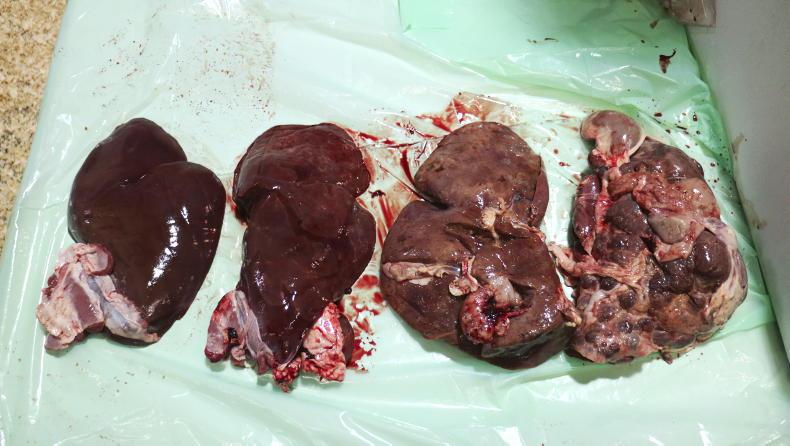
While rumen fluke has become a growing concern in recent years it is frequently given much more importance than it deserves. This week’s sheep feature on page 25 covers a recent Teagasc sheep webinar addressing liver fluke and lameness. Rumen fluke was also touched on and the advice highlighted is the presence of rumen fluke eggs in faecal samples of animals that are thriving and producing well does not indicate that treatment for rumen fluke is necessary.
This is because disease is generally linked to immature rumen fluke larvae present in the small intestine. No eggs are produced during this phase and Dr Orla Keane of Teagasc advises that the presence of adult flukes in the rumen is not normally associated with clinical signs. Where clinical signs such as rapid weight loss or diarrhoea are seen, or if there is a history of previous disease on the farm, then it is advised to consult your vet in establishing if treatment is required.



SHARING OPTIONS