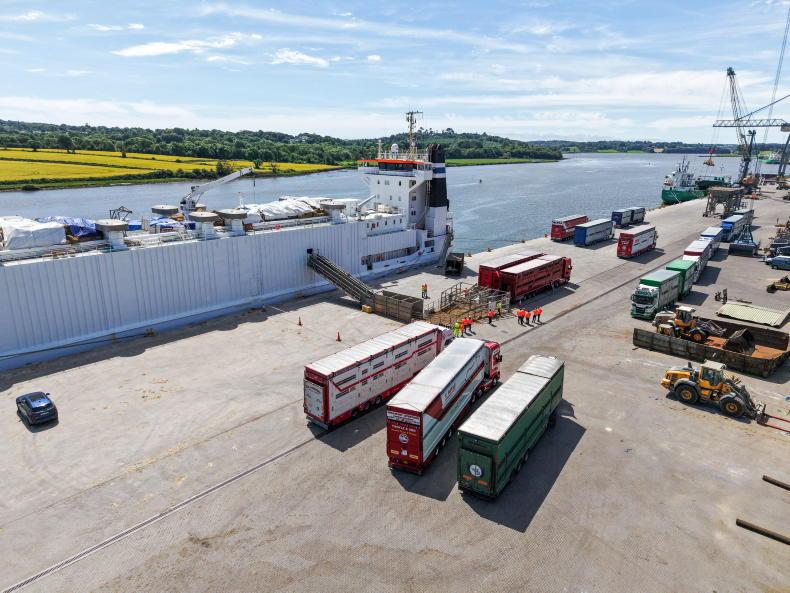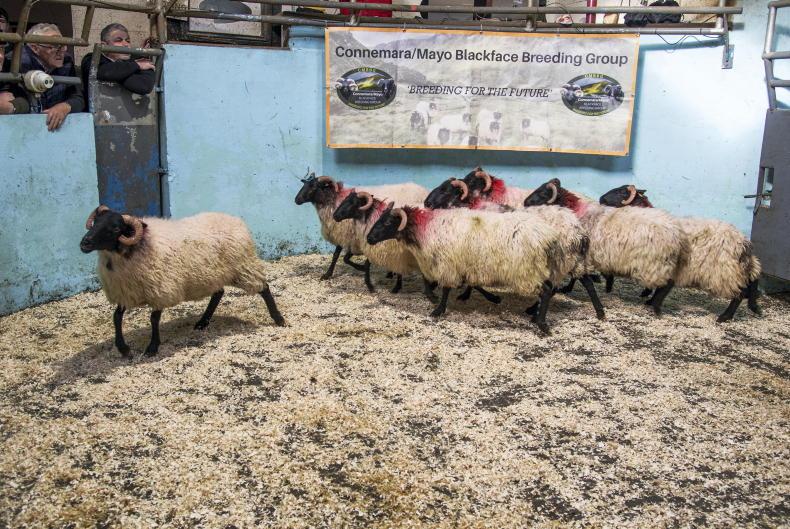



Irish sheep farmers have in recent years become increasingly aware of dates on which Islamic religious festivals take place. This is due to the boost in demand that festivals such as Ramadan and Eid-al-Adha generate. The festivals typically help to keep a floor under the trade rather than bring about any major increase in farmgate returns in Ireland.
But this is not the case in other countries and in Morocco rams that meet all of the desired attributes for sacrificial slaughter can fetch up to €1,000. Sheep are an integral part of cultural and religious traditions in Morocco with approximately 74% of agricultural holdings possessing sheep.
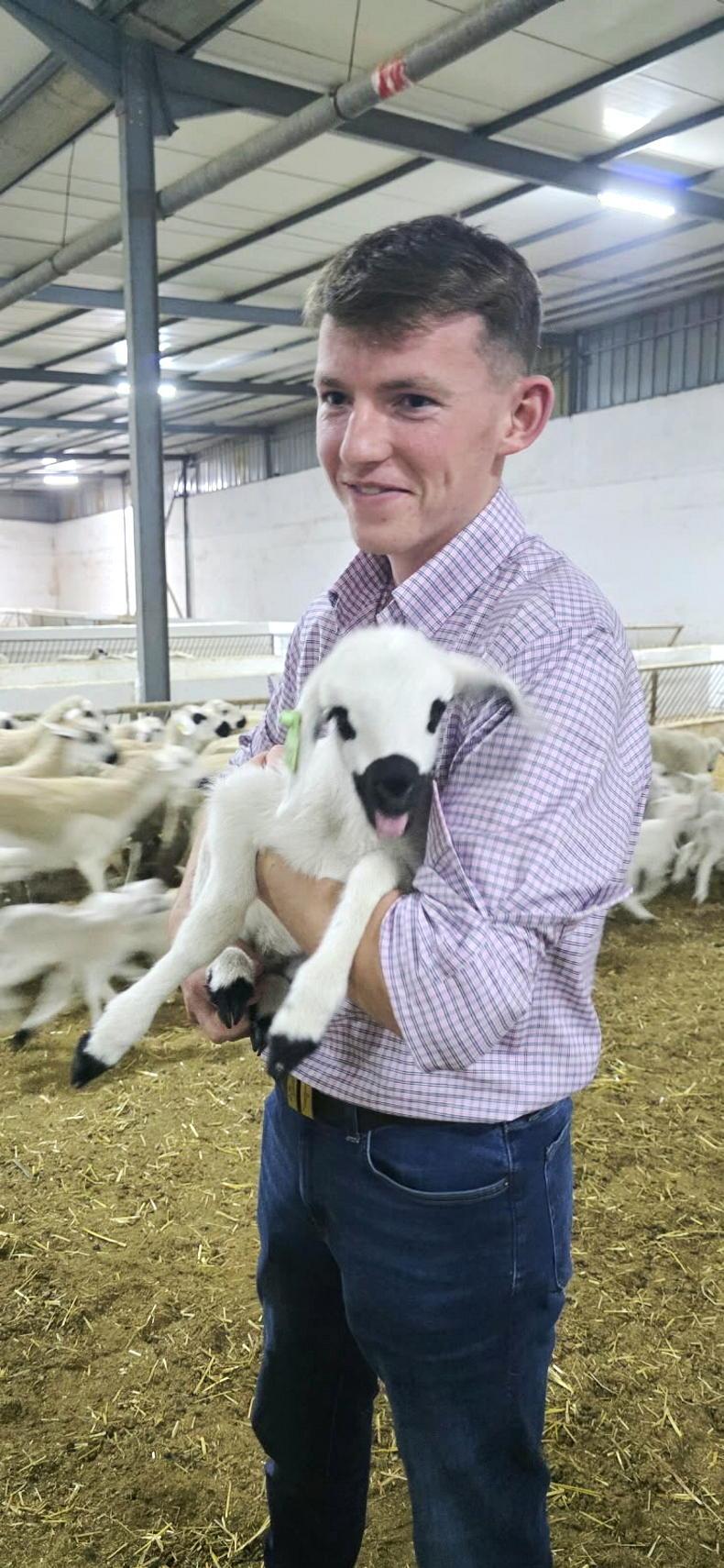
I was recently lucky enough to see first-hand the importance of sheep farming in a country like Morocco as part of an independently planned information exchange visit from a group of farmers across Ireland. We were received by the Association Nationale Ovine Et Caprine (ANOC), the Irish embassy to Morocco and representatives of Bord Bia. Every farm visited exhibited first-rate hospitality and generosity.
Sheep numbers
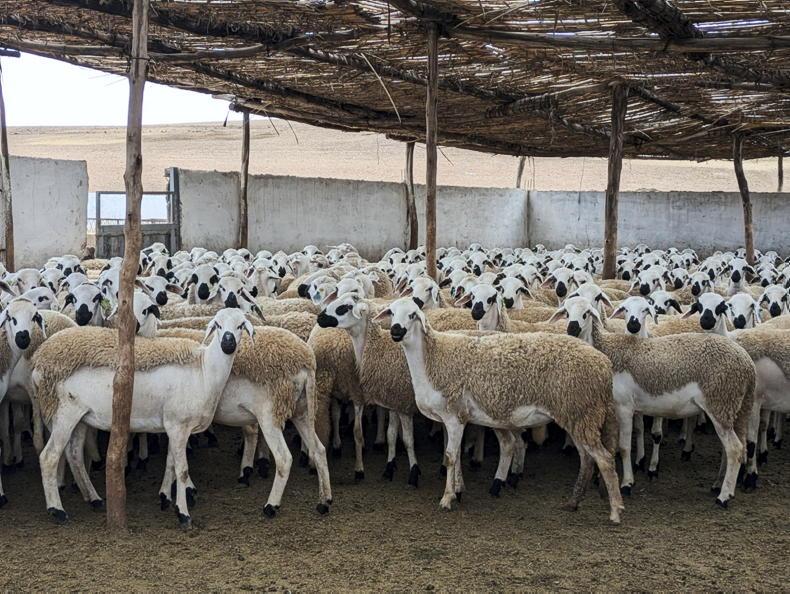
There are 3,689,670 sheep in Ireland according to the 2025 Department of Agriculture National Sheep and Goat Census. There are roughly 23m sheep in Morocco, more than six times the size of the Irish flock.
Sheep production contributes 30% to the agricultural GDP of Morocco. There is a staggering 1.1 million sheep and goat farming households, compared to over 30,000 in Ireland, and 74% of agricultural holdings are sheep farms. 130 million days are worked annually on sheep farms across the country.
The nation is dominated by small-scale farms with roughly 80% of farms having no more than 30 animals. There are a decreasing number of sheep and shepherds in the country. In 2014 there were approximately 782,000 sheep breeders and 302,000 goat breeders.
By 2020 the number of small-ruminant breeders had fallen to around 600,000. The reason for a declining number of people in the industry is highlighted as being a labour shortage and as is becoming the case the world over limited attractiveness of livestock farming to younger generations.
Production system
Sheep breeders aim to lamb all year round, aiming to achieve three pregnancies per ewe every two years. Sheep breeders would expect one lamb per pregnancy and though the sheep breeds present in Morocco (Sardi, Boujaâd, Beni Guil) are not as prolific as sheep breeds present in Ireland, they are noted as being faster growing, having an increased mature size and decreased fat cover to accommodate for the warmer climate.
The breeds present are better bred to meet the requirements for Muslim traditional religious festivals as this is what the markets require. Morocco’s climate offers little to no opportunities for natural grass or forage growth due to its lack of rain, leaving expensive irrigation practices for proper forage growth.
High labour demand
Farmers who aim to feed naturally growing forage can be seen minding and staying with their sheep for the duration of the day as you travel across the country.
As one could imagine this is extremely labour intensive and offers no possibilities for upscaling as an individual can look after no more than 30 animals.
We saw no fencing for livestock as animals are continuously herded to find food. This made animals very docile and their handlers well acquainted with them. Farmers who are not relying on naturally growing forage are left feeding concentrates which are the greatest expense to farmers.
About 80% of the country’s livestock concentrates are imported, primarily from the Americas. Farms visited fed all adult sheep 0.5kg to 1kg daily depending on production stage, of a corn (maize), barley and sunflower pulp concentrate.
They were fed twice a day, with the concentrate being divided between a morning and evening feeding. Forage of either hay or alfalfa was fed along with the concentrate. Lambs are weaned at 3 months of age.
Support payments
There are few subsidies available to Moroccan farmers. ANOC has a breeding program aimed at improving the genetics of sheep in Morocco. This is in the form of flock books.
The driving force for sheep to be registered in these flock books is the improvement of characteristics for sacrifical ceremonies rather than increased production.
If a sheep qualifies to be registered in the flock book the famer will receive the equivalent of €50 as a support payment for that sheep. Irrigation drip and sprinkler systems can be bought with a 50% to 80% subsidy, depending upon the farmers situation. In 2025 due to extreme drought there was a 40% subsidy on animal feed at the point of purchase.
Eid-Al-Adha
According to ANOC there are approximately 8m sheep slaughtered in Morocco annually as a sacrifice on the day of Eid-Al-Adha, so there was a lot of discussion about this festival throughout the trip.
The Eid-Al-Adha festival or the “Festival of Sacrifice” as it is also known is the Muslim celebration of God providing a ram as sacrifice in place of Ismail (Ishmael), the son of the Prophet Ibrahim (Abraham). It occurs on the 10th day of Dhu al-Hijjah, the final month of the Islamic lunar calendar.
Similar to the turkey trade in Ireland, the sheep trade is directly linked to cultural and religious traditions in Morocco. Around 50% of annual sheep meat consumption occurs for the religious festival of Eid-Al-Adha.
In Muslim households it is custom to sacrifice an animal as part of Eid-Al-Adha. There are requirements that the animal must meet before it can be slaughtered as a sacrificial animal and the better a sheep meets these requirements the more it is worth.
The ideal animal is a fully mature ram of at least one year old. It should possess full horns of equal length that are twisted, a full tail, no broken teeth and black markings at the base of their legs.
Livestock market
We visited the livestock market in El Borouj, which runs every Sunday from 2am to 10am, to avoid the midday heat. From talking to farmers at this market, we learned that on the run-up to Eid al-Adha, a ram that meets the necessary requirements for a sacrifice reaches prices in excess of €1000.
Rams that do not fully meet these requirements, whether their horns are not of equal length, lame, or any other reason, still reach prices around €800.
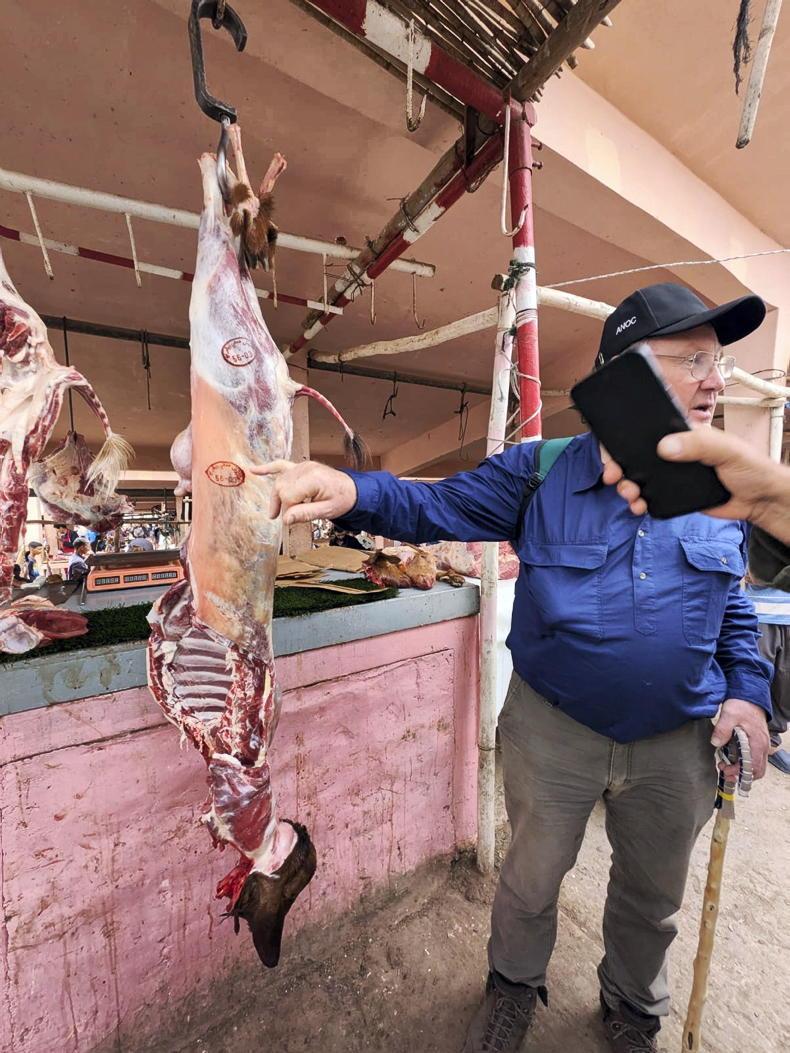
Fresh sheep meat to buy when shopped around was €16/kg on average, negotiating on prices in shops is custom though so the price given is reliant upon your negotiating skills.
Very little to no part of the carcass is wasted with options to buy everything. Butchers source their produce live from the markets and a halal slaughterhouse was next to the market.
For an Irish farmer interested in these premium prices some farming practices would have to change. Most importantly ram lamb castration could not occur. Docking of the sheep’s tail would also be prohibited.
Neither of these would be much of a problem if a farmer had the prospect of selling such sheep for up to €1,000 per head!
*Darren Flynn is a farmer from
Maynooth, Co Kildare. He recently
visited sheep farms in Morocco as
part of an information exchange.