Easily preventable infections are the main cause of lamb mortality, according to research being undertaken at Teagasc Athenry.
Third year PhD student Dwayne Sheils outlined the main factors causing lamb mortality to a group of international researchers and farmers taking part in the Europe-wide SheepNet programme.
Based on two years’ worth of figures from post-mortems of lambs at Teagasc Athnery, infection accounts for 36% of all deaths.
Dystocia, or difficult lambings, were the cause of 15% of lamb mortality. Sheils said this meant over half of lamb deaths were potentially preventable.
Over 51% of lambs died at or before birth. Three-quarters of all lamb deaths had occurred within 24 hours.
Prevention
Sheils said some of these could be prevented through good late-pregnancy nutrition in ewes. A farm's feeding programme should be based on the identification of litter size and feeding accordingly and using a high-quality protein nut and silage. This would reduce the chance of starvation in bigger litters and minimise the risk of difficult lambings for singles.
He said infection was best prevented through hygiene, in both individual lambing pens and group pens.
Sheils recommended cleaning and disinfecting each lambing pen after a ewe had been in it and also using a suitable product like iodine on lambs’ navels.
Bedding
While dressing the navel was important, he stressed that much of the infection was taken in through the lamb’s mouth.
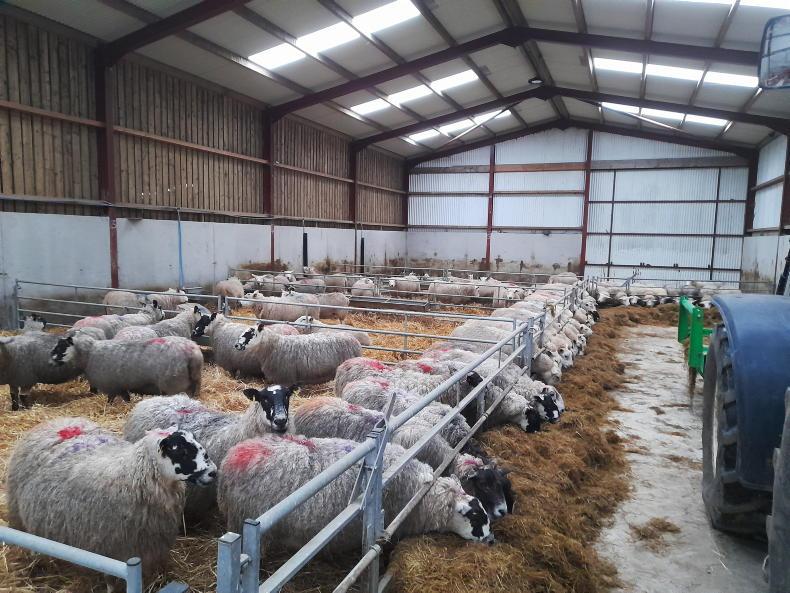
He said if teats were dirty it heightened the risk for lambs suckling that ewe. He advised farmers to wash sheds out a week before lambing and then keep regular clean, dry bedding under ewes.
Sheils also interviewed 188 farmers to assess their lambing practises and build their risk profile.
On lambing pen protocols, he found half of farmers were cleaning and disinfecting lambing pens. Almost a quarter of farmers are not doing either; 15% are cleaning without disinfecting and 10% are disinfecting without cleaning.
Read more
Managing the lambing ewe to improve lamb survival
Advanced preparations central to reducing lamb mortality
Easily preventable infections are the main cause of lamb mortality, according to research being undertaken at Teagasc Athenry.
Third year PhD student Dwayne Sheils outlined the main factors causing lamb mortality to a group of international researchers and farmers taking part in the Europe-wide SheepNet programme.
Based on two years’ worth of figures from post-mortems of lambs at Teagasc Athnery, infection accounts for 36% of all deaths.
Dystocia, or difficult lambings, were the cause of 15% of lamb mortality. Sheils said this meant over half of lamb deaths were potentially preventable.
Over 51% of lambs died at or before birth. Three-quarters of all lamb deaths had occurred within 24 hours.
Prevention
Sheils said some of these could be prevented through good late-pregnancy nutrition in ewes. A farm's feeding programme should be based on the identification of litter size and feeding accordingly and using a high-quality protein nut and silage. This would reduce the chance of starvation in bigger litters and minimise the risk of difficult lambings for singles.
He said infection was best prevented through hygiene, in both individual lambing pens and group pens.
Sheils recommended cleaning and disinfecting each lambing pen after a ewe had been in it and also using a suitable product like iodine on lambs’ navels.
Bedding
While dressing the navel was important, he stressed that much of the infection was taken in through the lamb’s mouth.
He said if teats were dirty it heightened the risk for lambs suckling that ewe. He advised farmers to wash sheds out a week before lambing and then keep regular clean, dry bedding under ewes.
Sheils also interviewed 188 farmers to assess their lambing practises and build their risk profile.
On lambing pen protocols, he found half of farmers were cleaning and disinfecting lambing pens. Almost a quarter of farmers are not doing either; 15% are cleaning without disinfecting and 10% are disinfecting without cleaning.
Read more
Managing the lambing ewe to improve lamb survival
Advanced preparations central to reducing lamb mortality








SHARING OPTIONS