The mild and wet weather of the past few months has led to the high-risk fluke forecast issued this Monday.
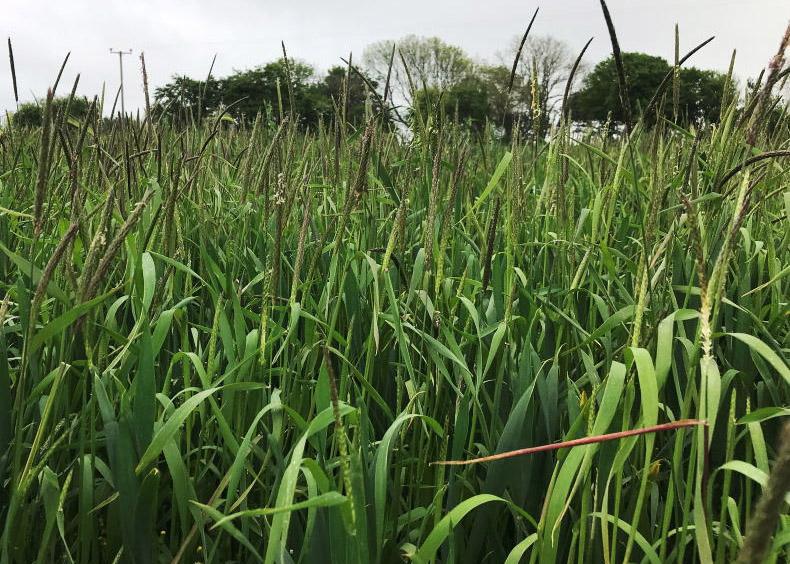
The fluke parasite is transmitted through mud snails, which tend to be located in slightly acidic and muddy conditions. Areas with rushes are a particularly common location where mud snails can be found.
The immediate advice from Department vets to farmers in high-risk areas or with a history of fluke is to devise a prevention programme with their vet. This includes appropriate dosing depending on the time of year when treatments are given. “When treating in the autumn or early winter, treatment should be directed at all stages of the liver fluke (early, immature and mature stages),” the Department advises. “Later in the winter when animals are housed, treatment can be more directed towards mature stages.”
ADVERTISEMENT
Repeat treatments should also be directed by a vet as resistance to dosing is becoming an increasing problem.
As a longer-term control option, where feasible, the Department recommends fencing off or draining wet, muddy areas containing clumps of rushes as they are habitats for the contaminating snails.
This content is available to digital subscribers and loyalty code users only. Sign in to your account, use the code or subscribe to get unlimited access.
The reader loyalty code gives you full access to the site from when you enter it until the following Wednesday at 9pm. Find your unique code on the back page of Irish Country Living every week.
CODE ACCEPTED
You have full access to the site until next Wednesday at 9pm.
CODE NOT VALID
Please try again or contact support.
The mild and wet weather of the past few months has led to the high-risk fluke forecast issued this Monday.
The fluke parasite is transmitted through mud snails, which tend to be located in slightly acidic and muddy conditions. Areas with rushes are a particularly common location where mud snails can be found.
The immediate advice from Department vets to farmers in high-risk areas or with a history of fluke is to devise a prevention programme with their vet. This includes appropriate dosing depending on the time of year when treatments are given. “When treating in the autumn or early winter, treatment should be directed at all stages of the liver fluke (early, immature and mature stages),” the Department advises. “Later in the winter when animals are housed, treatment can be more directed towards mature stages.”
Repeat treatments should also be directed by a vet as resistance to dosing is becoming an increasing problem.
As a longer-term control option, where feasible, the Department recommends fencing off or draining wet, muddy areas containing clumps of rushes as they are habitats for the contaminating snails.
If you would like to speak to a member of our team, please call us on 01-4199525.
Link sent to your email address
We have sent an email to your address. Please click on the link in this email to reset your password. If you can't find it in your inbox, please check your spam folder. If you can't find the email, please call us on 01-4199525.
ENTER YOUR LOYALTY CODE:
The reader loyalty code gives you full access to the site from when you enter it until the following Wednesday at 9pm. Find your unique code on the back page of Irish Country Living every week.








SHARING OPTIONS