



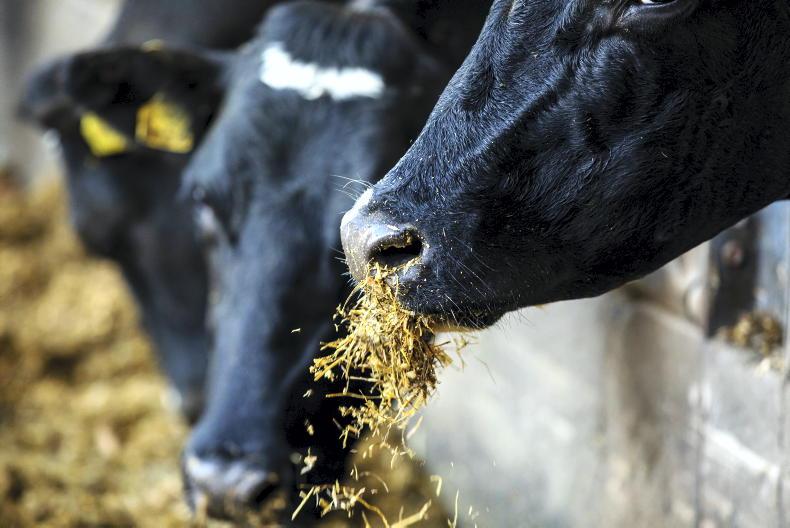
Teagasc has warned that dairy farms could experience fodder supply shortages if drought conditions set in over the summer months.
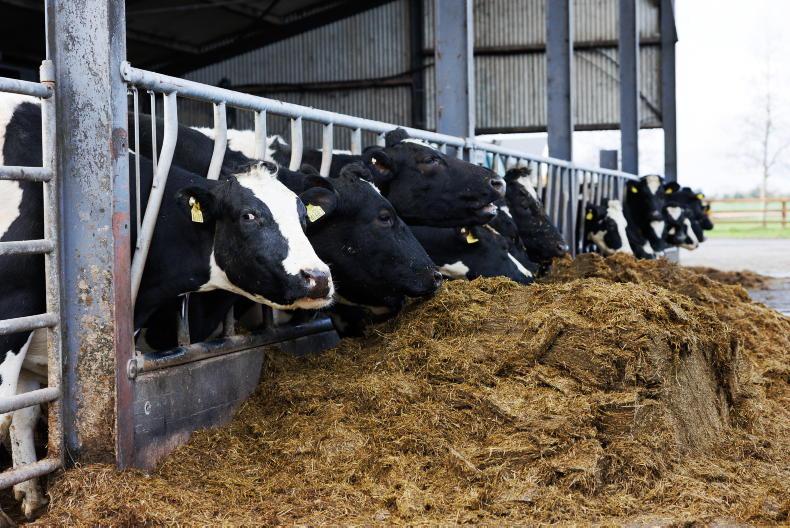
Silage is very tight on dairy farms in the south and east, but those in the northwest are faring better, Teagasc maintains.
Grass is in plentiful supply, but challenging weather conditions are delaying farmers’ efforts to turn cows out to graze.
The situation on beef farms differs depending on stocking rate, with higher stocked farms that had to feed out silage during 2022’s drought now running “very tight” on fodder.
Lower stocked “more typical” beef farms were said to be generally experiencing no major issues on the fodder supply front.
A meeting of the National Food and Fodder Security Committee heard on Thursday that grass growth is back one quarter on what would be expected at this stage of the year.
Fertiliser back
Grassland fertiliser applications are also back between 25% and 30% across the board, with these cuts being put down to farmers having so few spells suitable for spreading.
The committee heard that some dairy farmers may be delaying decisions on silage, as both fertiliser and land conacre costs remain high.
Farmers should be advised to close up silage ground with adequate time for crops to bulk up and to spread adequate levels of fertiliser to ensure yield and quality are maintained in 2023’s silage.
Teagasc also warned that the impact of reduced levels of compound fertiliser going out in 2022 have yet to be seen.
Phosphorous and potassium fertiliser usage were back 24% and 26% respectively last year.
It stated that organic manures should be considered in both tillage and grassland farmers where possible.
Tillage
On tillage farms, later spring planting is anticipated to hit yields, while some winter crops were reported to be suffering from poor establishment and delays to fertiliser application.
Teagasc issued a profit warning to the committee on the impact these challenges will have on many crops’ bottom line.
It said that the national grain output could be below the five-year average of 2.2m tonnes to an output level similar to 2018.



SHARING OPTIONS