



The Kennedy Homestead, farmed by Patrick Grennan, will host the first of this year’s BETTER farm national walks. Patrick farms 34ha of good-quality land near New Ross, Co Wexford.
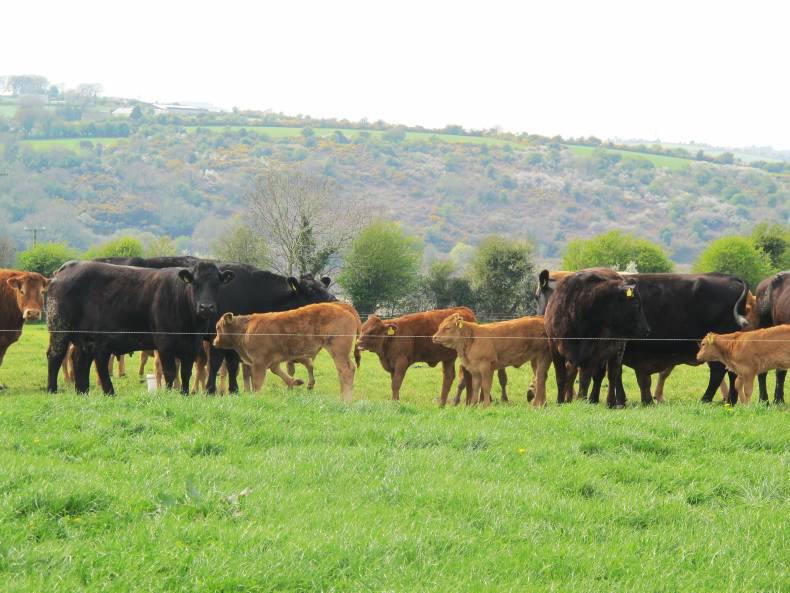
In total, 45 cows are carried on the farm, up from 37 at the start of the programme.
The farm itself is fragmented in nature and Patrick also works with a trust in a visitor centre on the farm. The system operated on the farm is suckler to beef.
The bull calves are finished under 16 months of age, while heifers that are not being kept as replacements are finished at 22 to 24 months of age.
Over the years, Patrick has worked closely with his Teagasc B&T advisers, Michael Fitzgerald and Martina Harrington. Since joining the BETTER farm programme, he has benefitted from more hands-on advice from his BETTER farm adviser, Peter Lawrence.
When asked what farmers will see at the open day, Martina Harrignton replied: “This farm showcases how a part-time farmer operating on a relatively small-scale, fragmented farm has developed a profitable suckler beef system by focusing on key areas such as increasing output, focusing on grassland management, herd health, genetics and good breeding performance in the cow herd.”
Grass management
Because Patrick is farming on dry, free-draining ground in the sunny southeast, maximising days at grass is essential to minimising costs in the system. He has the advantage of being able to target a long grazing season and over the past few years he has capitalised on this.
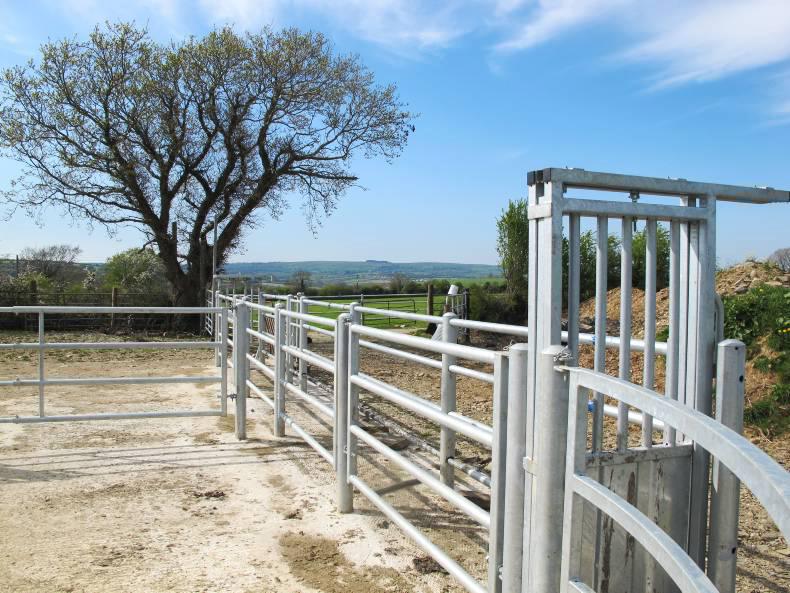
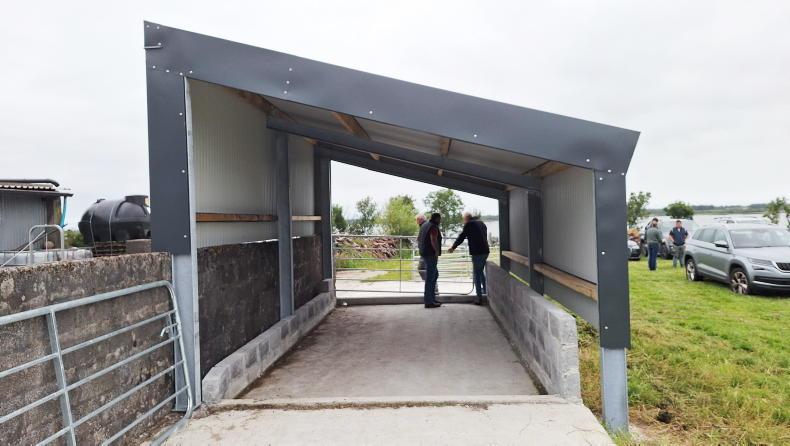
The one hindrance is the fragmented nature of the farm. This year, he built a new pen and handling facility on an outfarm to aid cattle handling. This means that it is now a one-man job to dose cattle; it has reduced labour significantly on the farm.
Patrick walks the farm and measures grass once per week. He uses movable water troughs and temporary reels to split larger fields based on weather and grass supply. Grass is allocated on a two-day basis.
During the main grazing season, Patrick allows the calves to forward creep graze in front of the cows using long electric fence stakes to raise the wire.
He feels that this is invaluable as it ensures that calves have access to top-quality grass while cows graze out fields.
Tight calving pattern
Over the past few years, Patrick has focused on tightening the calving spread.
This year, calving was confined to a three-month period, from February to April, as shown in Figure 1.
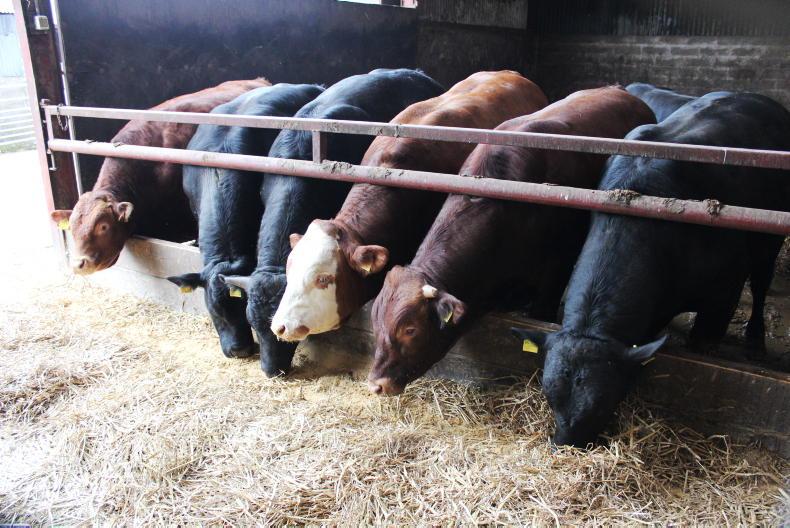
The tightening of the calving pattern has been a significant help in increasing output on the farm. This has resulted in him having a more even batch of bulls to fatten.
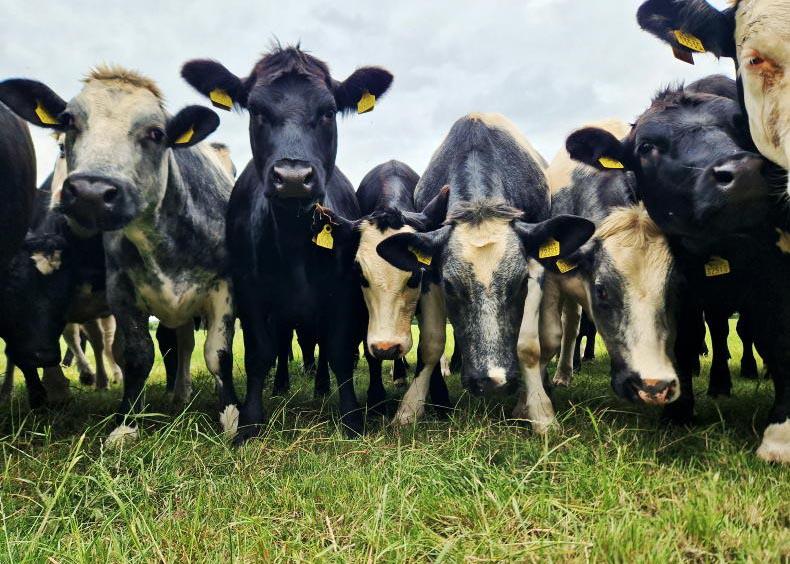
The cows on the farm mostly originated from Limousin crosses from Friesian cows. These cows were bred to improve conformation and to hold as much milk as possible, along with good functionality, docility and good fertility.
Two stock bulls are now used on the farm. The last bull that was purchased is a maternal Limousin bull with a replacement index of €205. The second is a terminal Limousin bull out of Ms Du Clo.
Through a targeted culling plan and avoiding recycling of cows, Patrick has been able to achieve a calving interval of 376 days on the farm. He has produced 0.94 calves per cow per year in 2014/2015 and mortality was exceptionally low at 2.3% at birth and at 28 days.
Improving output
Table 1 details the physical and financial performance of the farm. Prior to joining the programme, Patrick was focused on increasing the stocking rate and output of beef produced on the farm. When the extra sales from the increased cow numbers came into the system, Patrick has consistently achieved a gross margin above €1,000/ha.
The stocking rate on the farm has increased by 0.38LU/ha over the period and cow numbers has increased to 45.
Along with this, the output of the farm has increased from 725kg/ha to 842kg/ha. However, the output value has increased considerably, from €1,252/ha in 2011 to a target of €2,252/ha in 2015.
Although the output value is increasing, Patrick has also managed to reduce variable costs.
Adviser comment
Increasing the kilogrammes of beef produced per hectare is directly related to profitability on beef farms. As a consequence, animal fertility, mortality rate, growth rate and stocking rate are all significant factors affecting farm output.
Mortality at birth and at 28 days of age is lower than the national average. Hence, Patrick is able to produce 0.90 or greater calves per cow per year.
In 2014, Patrick had a calving interval of 385 days and produced 0.9 calves per cow per year. The national average is 0.79.
Based on Patrick’s cow numbers, this means that he will be selling 37.8 calves, while the national average will be selling 33.18.
With an average carcase weight of 400kg, that’s an extra 1,848kg of beef – at €4.10/kg, that’s €7,500.
Peter Lawrence, Kennedy Homestead
The farm is also one of the main tourist attractions in the area. It is the homestead of the Kennedy family; the house that JFK’s grandfather left in the 1800s for the United States of America. Along with the usual farm duties, Patrick also works with a trust that operates the visitor centre. During the summer months, this takes up much of his time.



SHARING OPTIONS