Harvest
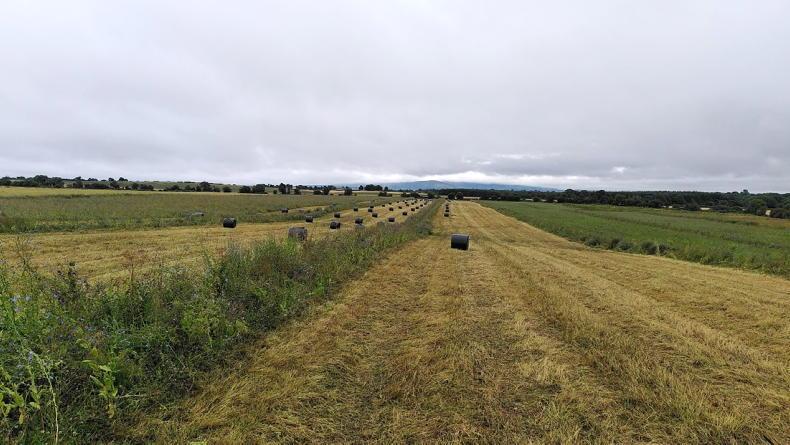
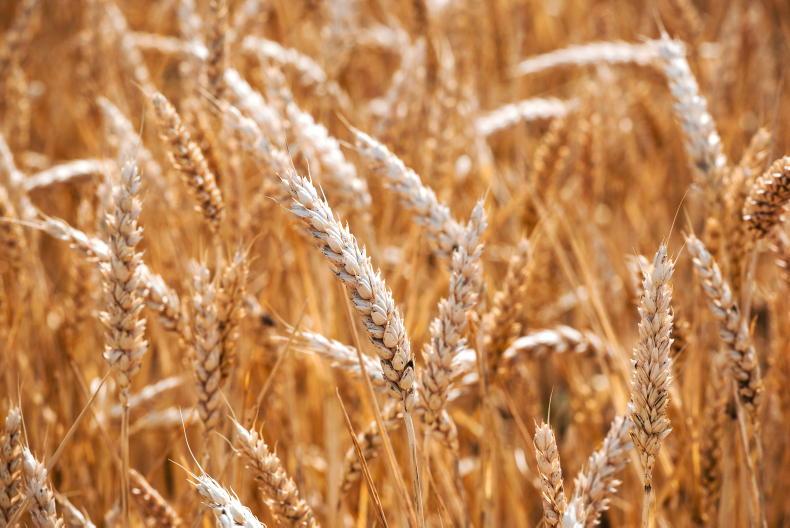
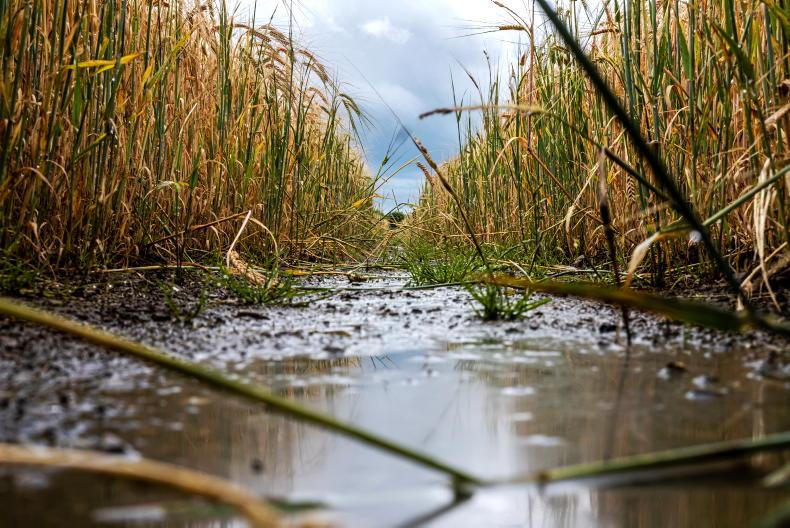
It’s a struggle to get anything cut at the minute, never mind baled. Winter barley crops continue to break down under the conditions and winter oats have also been ready for many for over a week.
Some have managed to cut, while some oilseed rape crops are coming in on top of people as well.
Showery weather remains in the forecast until Sunday, but some rain may be isolated, so hopefully there will be a chance to cut.
Next week looks somewhat dry, so hopefully it will allow farmers to make progress in the fields. It’s a snatch-and-grab harvest, so continue to make the most of every opportunity that presents itself to get another bit cut.
In this weather cutting above 20% may make sense. Get it to the drier quickly or have a plan for storage at high moisture levels, if it is being kept on-farm for a short time.
Straw
The Straw Incorporation Measure budget has been increased, so all applicants will now be accepted into the scheme and there will be no ranking and selection process. Good news for all.
Check to see if you get a letter to confirm this on your agfood.ie account. You need to go to the “BISS section” of your account. Then look for “correspondence” on the dashboard.
Straw will be in demand this season and it’s valuable in terms of fertiliser value and soil health, so think strongly about the price that you will charge. This year brings extra costs to straw production from drying to field conditions.
Nitrates rules
Straw is still on most fields. Nitrates rules state that stubbles need to be cultivated within 10 days of harvest or baling, or within 14 days of harvest in all cases.
These rules don’t account for the weather. Hopefully, common sense prevails here.
If straw is still on the field and in rows, it goes without saying that you cannot cultivate. Many well-drained soils are now at or very close to saturation point, so conditions for loading are not good either at these high levels.
Beet fungicide: Keep an eye on beet crops for disease at this time of the year. Keeping leaves green for as long as possible is important to make harvesting easier and to increase yield.
Angle is a new fungicide on the market. Escolta cannot be used this year.
Cover crops
This week we have a Focus on cover crops in the paper. Take a look to get all the information that you need before planting.
Make sure you know all the rules to comply with ACRES if you are planting under the scheme and make sure you are purchasing seed that is not going to bring a grass weed problem onto your farm.
Cover crops will take a back seat while the wet weather prevails, but remember when planting that a day in July is worth a week in August and a month in September. If you’re growing for fodder, the earlier you sow the better.