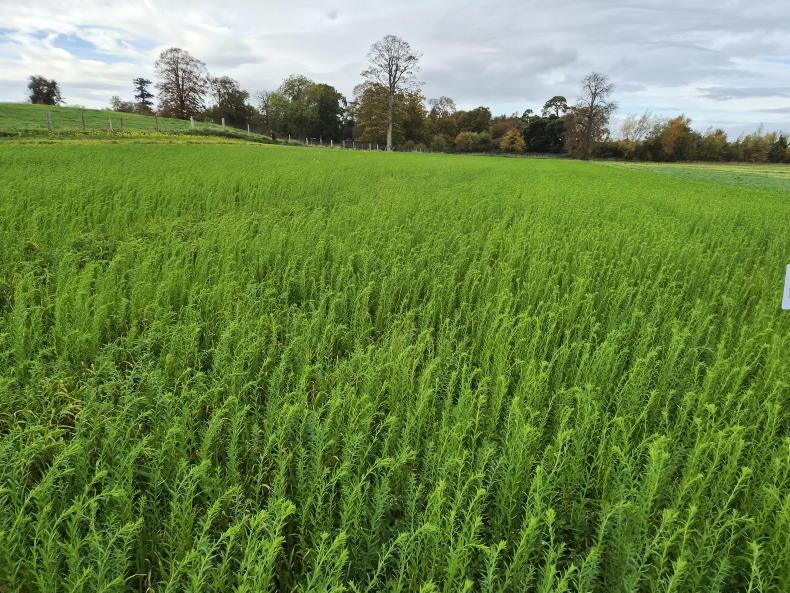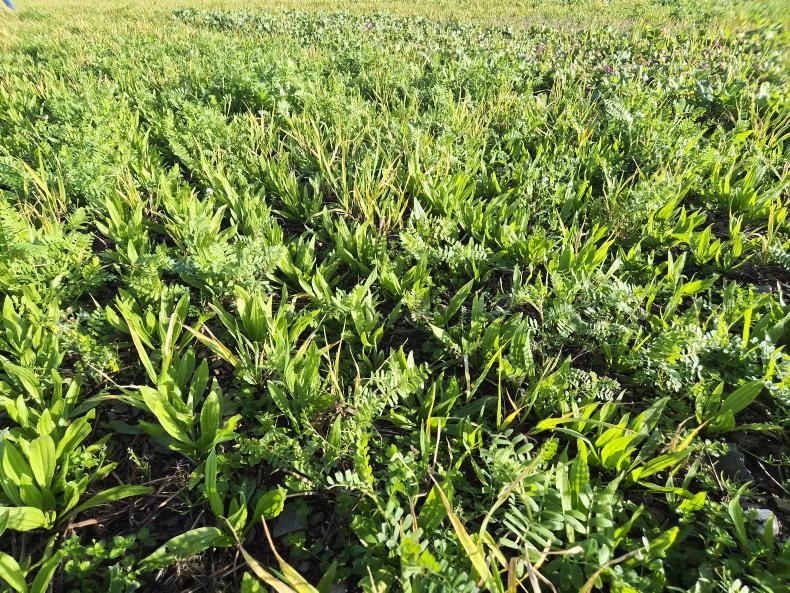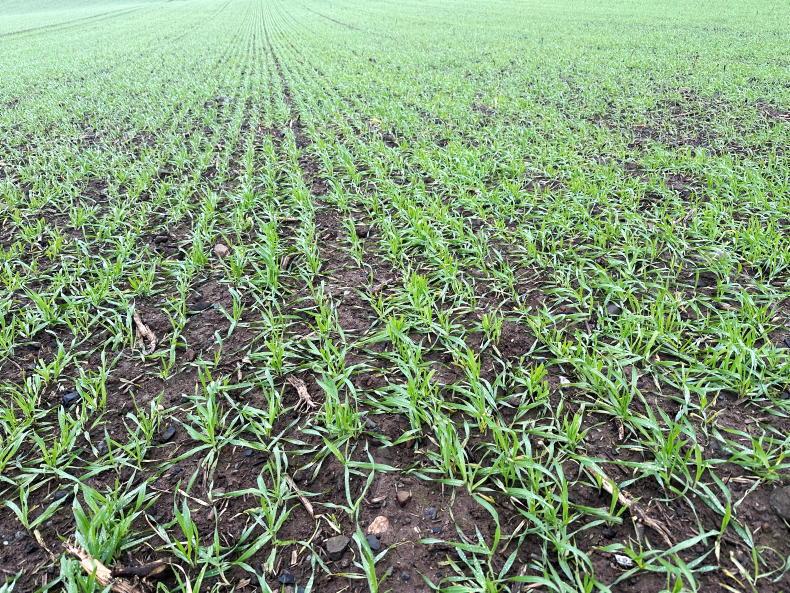
Weather: There’s been some heavy rain in recent days, but we have got away lightly so far. Crops are up and away in most cases, but some of the later-sown crops are still emerging and are struggling somewhat to establish themselves properly. Keep an eye on these crops for pests.
Machinery: Get all machinery clean and oiled and into sheds for the winter, where possible.
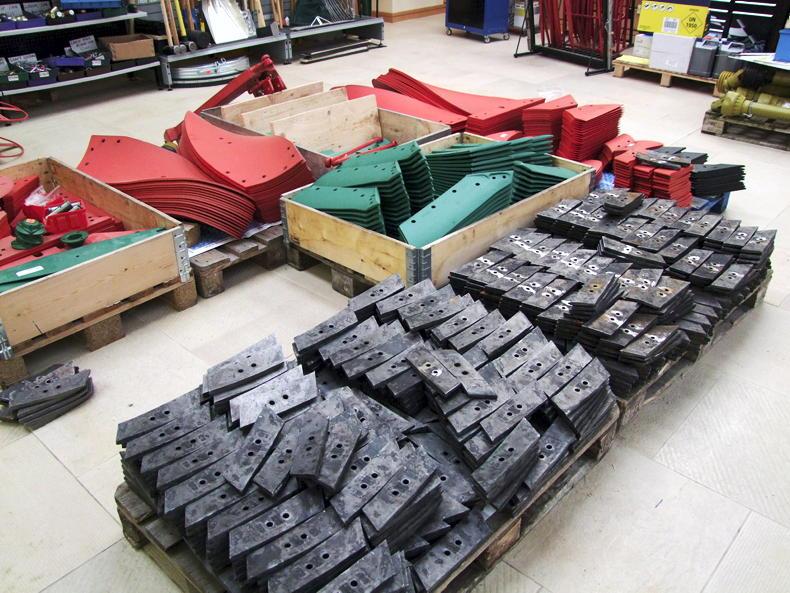
Check what work needs to be done on machinery. What parts need to be changed? Do you need to order parts? Are there any big jobs that need to be done that might take time? Get them done now, or soon, so that you are not replacing parts or fixing a machine when you should be using it in the spring time.
Money will be tight on many farms, but from chatting to people at the Farm Machinery Show last week, I know that some are looking at changing some machinery. Make sure to get prices in order and avail of the TAMS grant, wherever possible.
Water quality: The Teagasc Water Quality conference this week was very good and showcased some positive research on catch crops and an equally positive story from tillage farmer Stuart Fitzgerald.
There was some advice on inspections on the day, and as things quieten down on tillage farms, it might be a chance to take a walk around your farm and examine what might need to be changed or updated to comply with these inspections.
Is rain water running off the farm properly, or is it hitting clay or manure on the yard and actually becoming soiled water? Can you avoid this happening? Are gutters faced the right way and draining away properly?
If you have livestock have you enough slurry storage on the farm if you have an inspection? If you are accepting slurry from a livestock farmer is that slurry actually landing on the farm?
Buffer zones are another item they will check.
Have you buffer zones located at the right distance from watercourses for both chemical fertiliser and organic manures? Can you find any spots where there is run-off from fields? Can you put a buffer in place to stop this, or should you have one?
If you have silage on the farm, is the effluent being controlled, and are you sure it is not entering a watercourse?
Hedge cutting: Keep hedges cut back, where possible and where needed. Cutting on a regular basis leads to a dense hedge. It is important to let light into the hedge by cutting at a slight angle, according to the biodiversity experts.
Escaped hedges can be trimmed on the sides and allowed to flower on top.
Keep roads clear. Land is getting wet now for cutting hedges in fields, but many fields are still in good order, and cover crops are helping to keep land dry in places as well.
Remember what parcels you have in ACRES. You need to keep those hedges at a height no lower than 1.8m.