



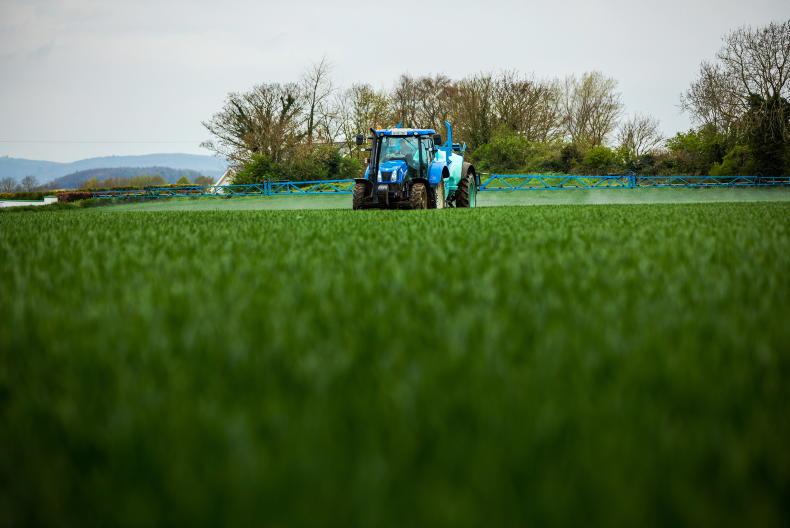
Progress
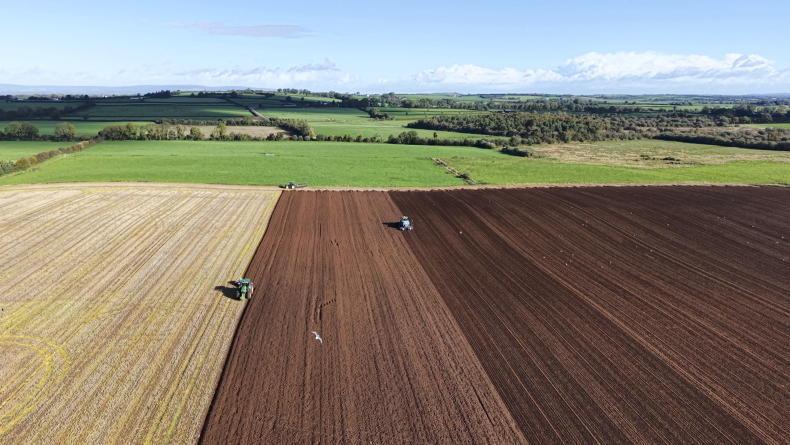
Many made good progress last week, but there are spring crops to be planted, while potatoes, maize and beet are all at a time when you would like to be getting them in the ground.
More rain is in the forecast this week, but you must make the most of opportunities that arise and get fertiliser out and crops sprayed if planting is not an option.
Spring cereals
Spring crops planted around Easter weekend are now up and due their nitrogen top-dressing. Any early-sown crops which have not been brought up to their full nitrogen (N) requirement should be soon.
Spring barley on index 1 can receive 135kg N/ha (108 units/ac) before yield additions. Spring oats can receive 110kg N/ha (88 units/ac) and spring wheat can receive 160kg N/ha (128 units/ac).
Some early-sown crops are tillering and it is important to keep an eye out for disease and apply a fungicide if necessary. Plant nutrition should also be looked after at this stage.
Winter barley
Many winter barley crops are approaching GS37 and are due their final growth regulator and those on a three-spray programme may still have to receive a middle fungicide – possibly a prothioconazole/strobilurin mix.
The final fungicide should be applied between flag leaf and awns peeping. This should be an SDHI, plus a triazole and folpet. Keep an eye on disease and new infection to apply at the optimum timing.
Frost delayed growth regulator application, but milder temperatures are forecast for the coming week and it should be safe to apply it in the coming days.
Winter wheat
T1s are now needed on many winter wheat crops. Some have been applied. Leaf 3 should be fully out when the T1 is being applied. Crops are varying in growth stages across the country, but many of the forward crops will likely see leaf 3 fully out in the coming days.
A robust fungicide programme is needed. Folpet will most likely be the multi-site and applied at 1.2-1.5l/ha. The partner should be one of the newer fungicide products (Revystar or Intreq) or an SDHI with a triazole (Ascra, Elatus Era).
The same product should not be used again at the T2 timing. If rust is not yet under control make sure your programme is covering it. Some crops are under stress, so see if nutrition is needed or if a seaweed product could be added to try and reduce that stress on the plant.
Winter oilseed rape
Many oilseed rape crops are at full flowering and due a fungicide for Sclerotinia. The Agriculture and Horticulture Development Board in the UK has delivered a Sclerotinia warning for parts of the UK.
Sclerotinia is a higher risk in short rotations, where there is a history in the field and mild, damp conditions are favourable for the disease. Apply an SDHI and/or prothioconazole. Any final nitrogen should be applied too.
Forage crops
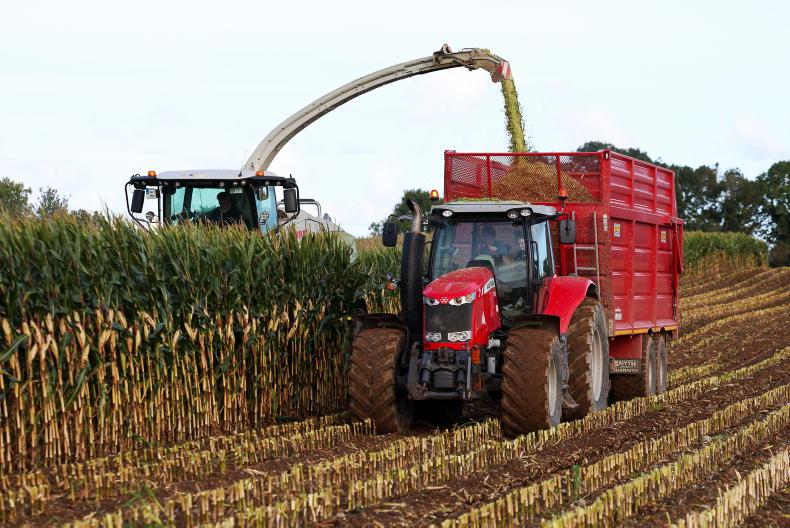
If you are increasing the area of forage crops, make sure you have a customer for that forage and draw up an agreement for payment.




SHARING OPTIONS