



Weather
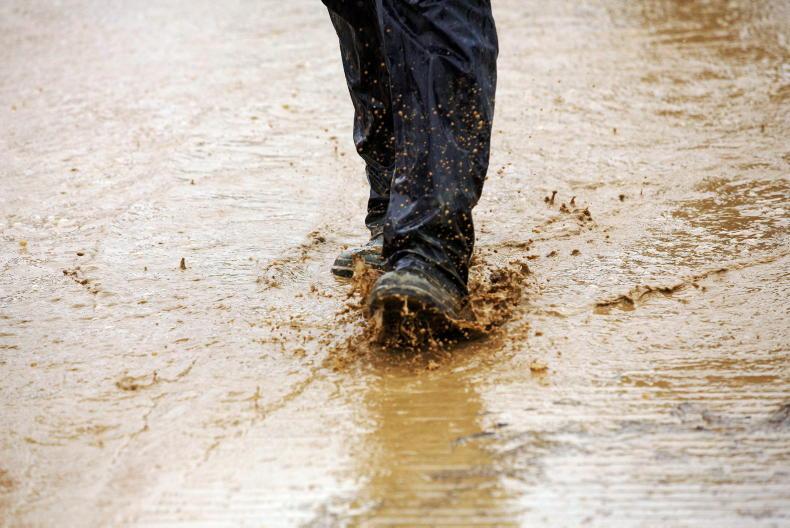
Rain continues to delay harvesting of spring beans, oilseed rape and some spring cereals. Some farmers made dashes to cut crops late last week and over the weekend, but heavy showers have prevented a lot of work from being carried out.
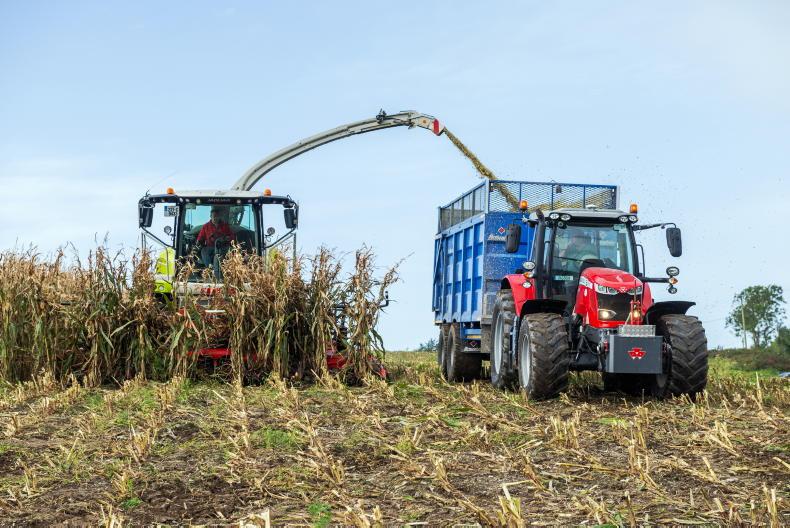
Storm Agnes did not help either. Farmers with maize near maturity rushed to get crops into silage pits.
Slurry
The deadline for applying slurry has been extended from 30 September to 7 October. The closed period will now begin on 8 October. Conditions are less than ideal for spreading at present. Slurry is valuable and should not be spread ahead of heavy rain as it will be lost to water.
Tillage farmers who are not applying with low emission slurry spreading (LESS) equipment and have a grassland stocking rate of 150kg/ha or more need to incorporate slurry into land within 24 hours of its application.
At this time of the year a buffer of 10m is needed between where the slurry is applied and surface waters.
Winter planting
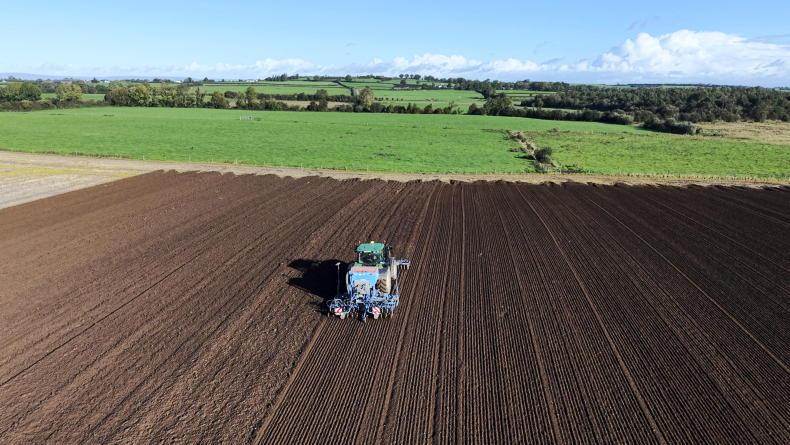
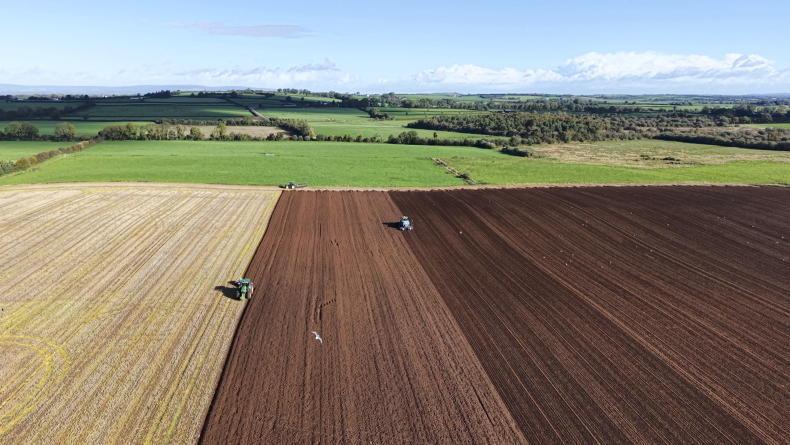
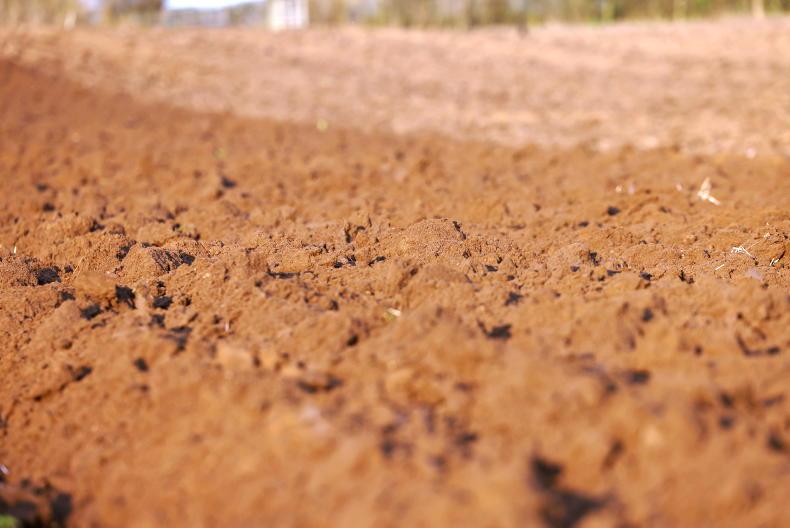
Some winter planting has been carried out, but the vast majority is yet to get underway. Ground conditions are now poor for many, making it difficult to get seedbeds prepared.
Where weeds need to be taken care of and where conditions allow then fields going into winter cereals should be sprayed with glyphosate soon. Depending on grass weeds, and the level of infestation, rates will change so consult your adviser.
All seed should really be ordered by now. While you wait for land to dry be as prepared as possible and take delivery of seed or collect it so that you have this job ticked off the list.
Cultivations
If possible, it may be best to cultivate and sow in quick succession. This is not always possible on farms, especially where a contractor comes in, so those farmers will need to watch the weather forecast carefully and look out for a dry window.
Early
It is still very early in the winter planting season. Remember, delayed sowing is good from an integrated pest management point of view as the risk of virus, disease and grass weeds are all lower when crops are planted later.
There is a lot of drying to do, but hopefully the weather improves in the coming days and weeks to allow farmers to get crops in. As fertiliser prices come back down, winter cropping is a very good option for farmers as grain and straw yields are likely to be higher in winter cereals.
Herbicide
Those who have planted winter cereals should act quickly on herbicides. Where ground conditions allow, a pre-emergence herbicide will work best for control of grass weeds. If this is not possible, an early-post emergence herbicide should be applied.
If blackgrass is a problem try to create a stale seedbed over winter and plant a spring crop. Planting a spring crop can reduce blackgrass incidence by 90% in some cases.


SHARING OPTIONS