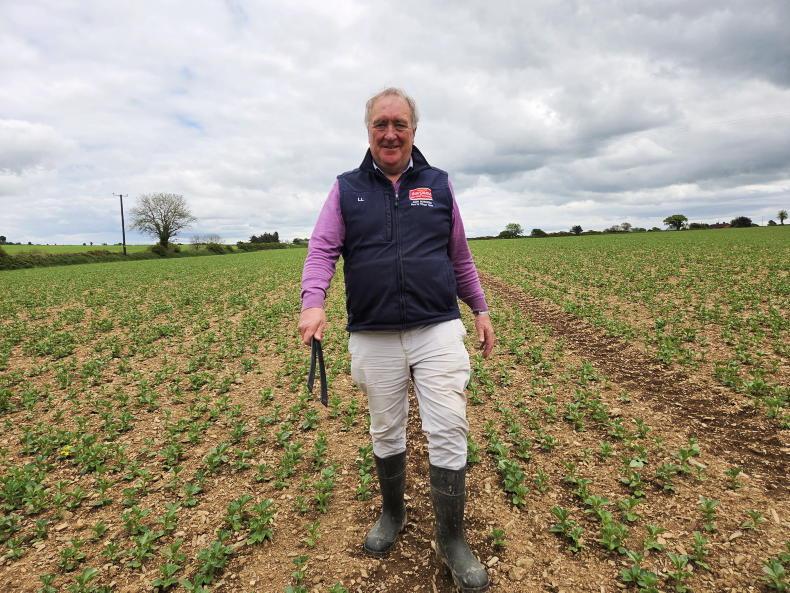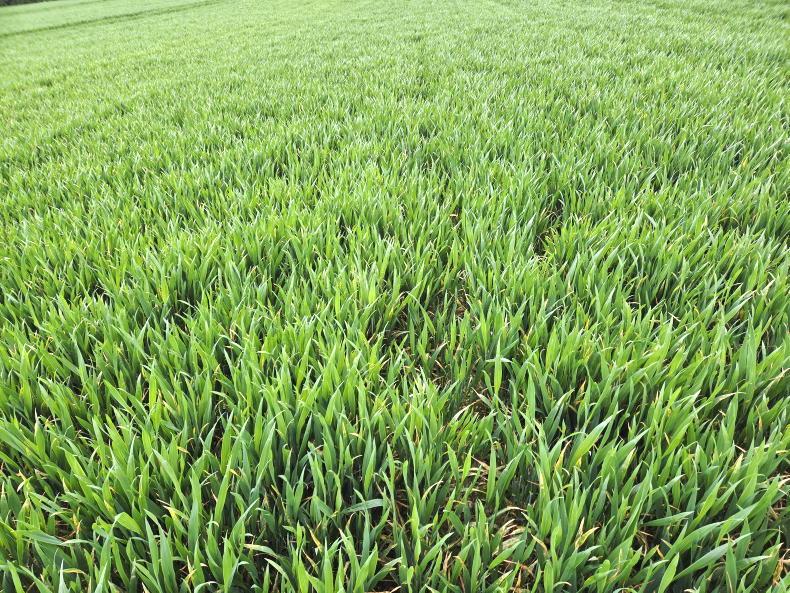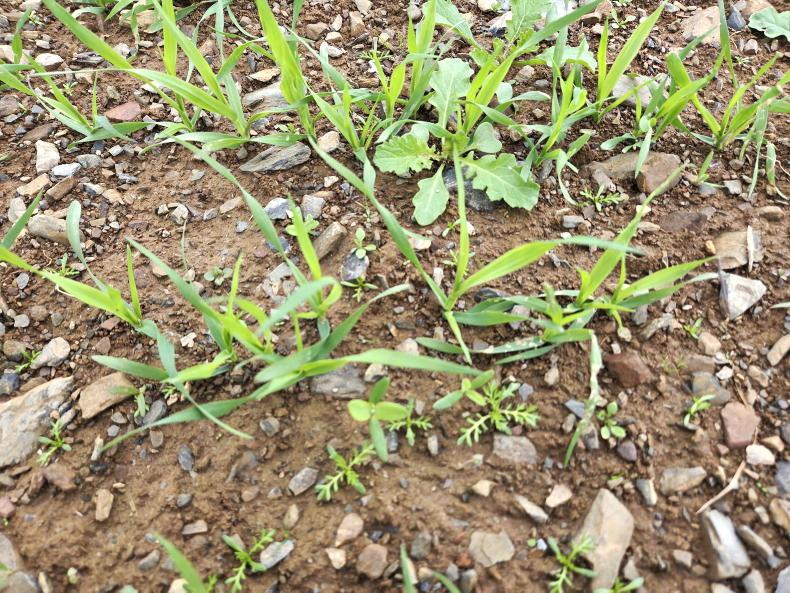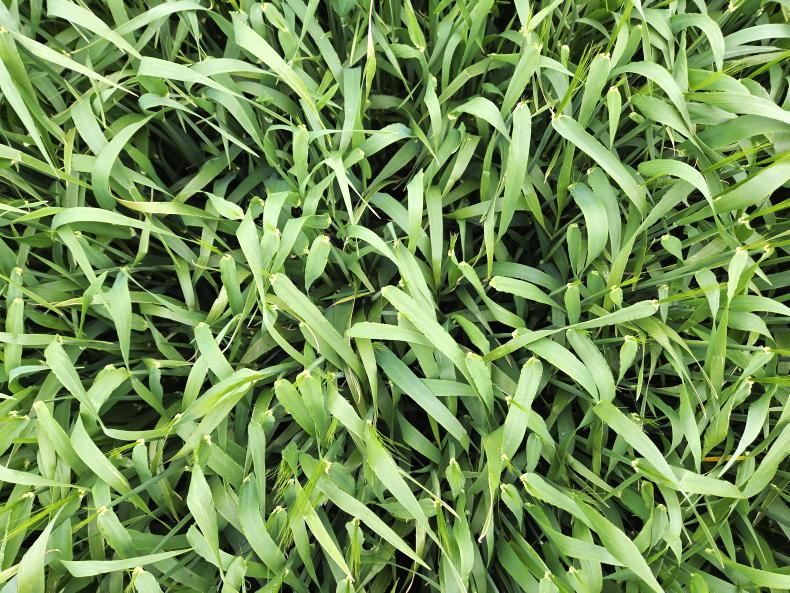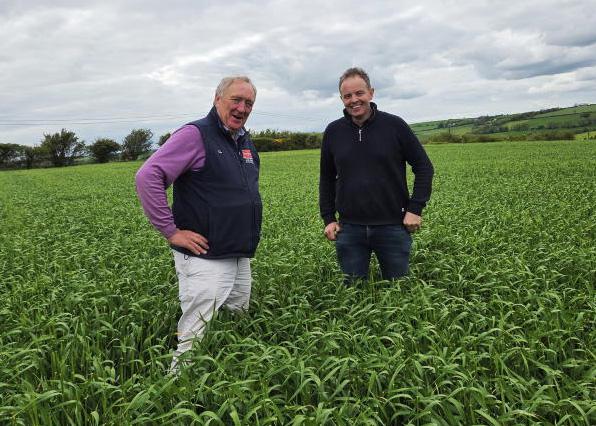
Last week, Dairygold’s Liam Leahy took the Irish Farmers Journal on a tour of some crops he was walking in south and east Cork.
The main jobs were final fungicides on winter barley and herbicides in spring cereals were just kicking off.
Spring barley crops that were being walked for weeds were early-sown and really herbicides were only starting to go out. Aphicides were being included in all mixes. Barley yellow dwarf virus is a high risk in the coastal area and virus is visible in some winter cereals so Liam is not taking a chance.
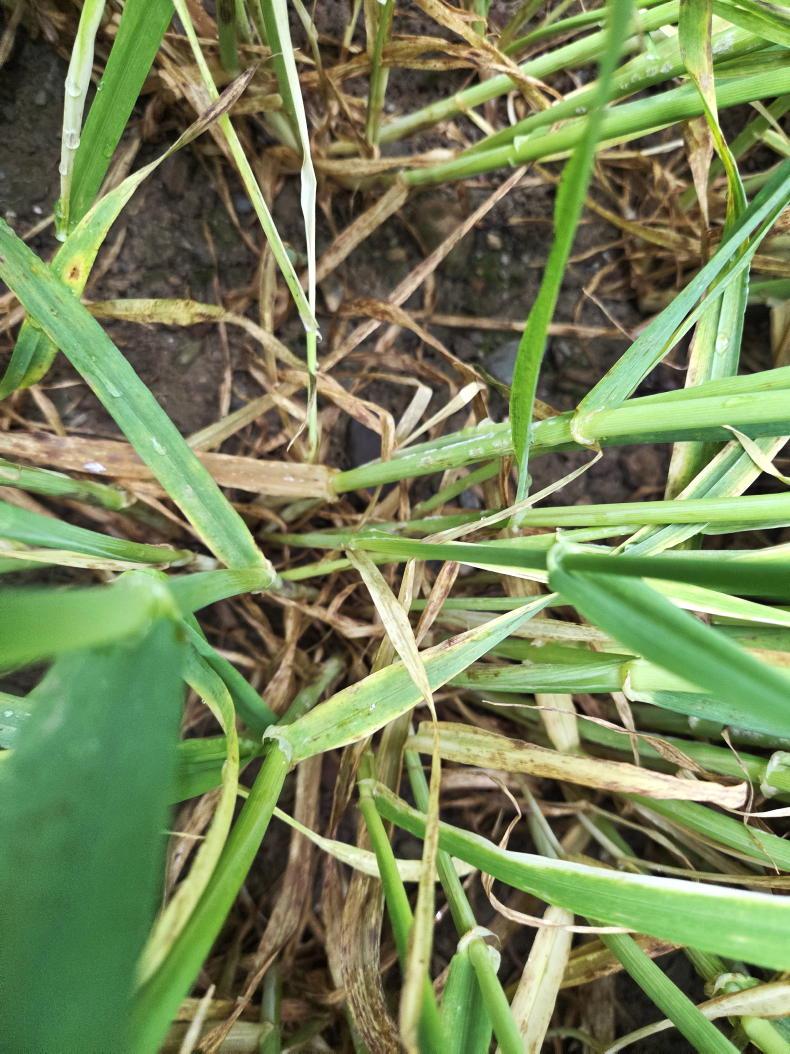
We saw plenty of winter barley and the majority was only barely ready for its final spray early last week, but most is probably sprayed at this stage and, as Liam said, growers need to lock the gate and throw the key in the ditch until harvest now.
Crops were generally on three-spray programmes with the T2 falling at the final application of plant growth regulator.
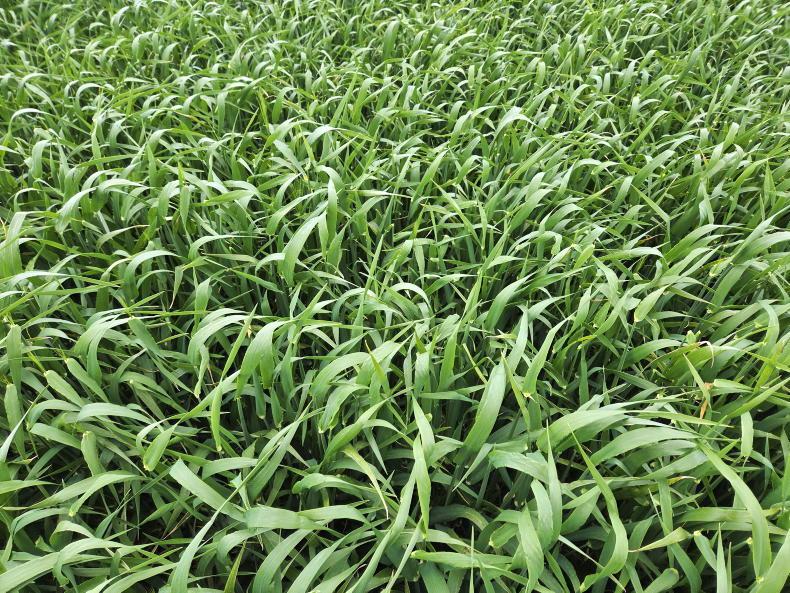
Folpet was added at this time to hopefully help with ramularia prevention.
Liam was aiming to hit the final spray on the awns for ramularia control. He is generally applying Revycare and Imperis, along with Arizona (folpet) at a lower rate as it was the second application.
He is confident ramularia will be looked after as best as possible with this mix and he adds in magnesium for chlorophyll, keeping the plant green for more photosynthesis and therefore yield. Liam commented: “If you have a good aerial, you’ll have a better picture on the TV.”
Winter barley was excellent.
We saw a number of different varieties; with Joyau probably the most advanced.
There was definitely a difference in crops which received early nitrogen.
It was a hard task to manage this year, but it paid off for those that did with thick and even crops.
Tramlines weren’t too messy either on some kind ground.
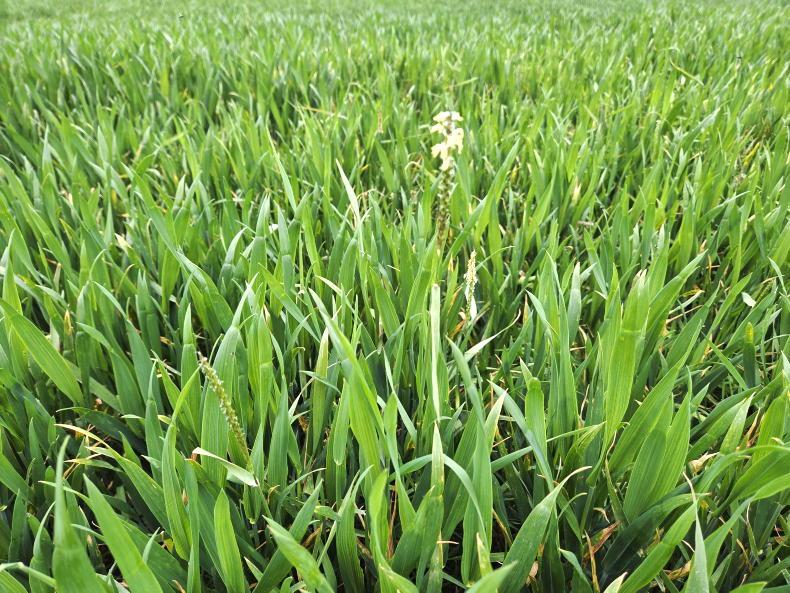
Winter rye is a crop that Liam says he has a lot of time for. It offers growers a high yield with lower inputs than wheat and is relatively easy to manage once PGR is looked after.
Crops received Boogie as a middle spray and the T3 will likely be Prosaro and Jade. Heads were coming out on crops we saw and one field which was sown at a high seed rate was extremely thick.
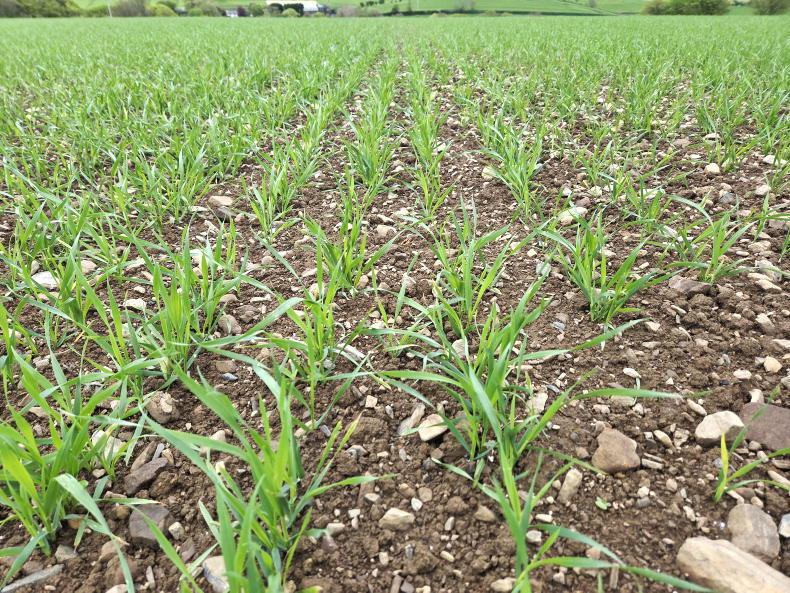
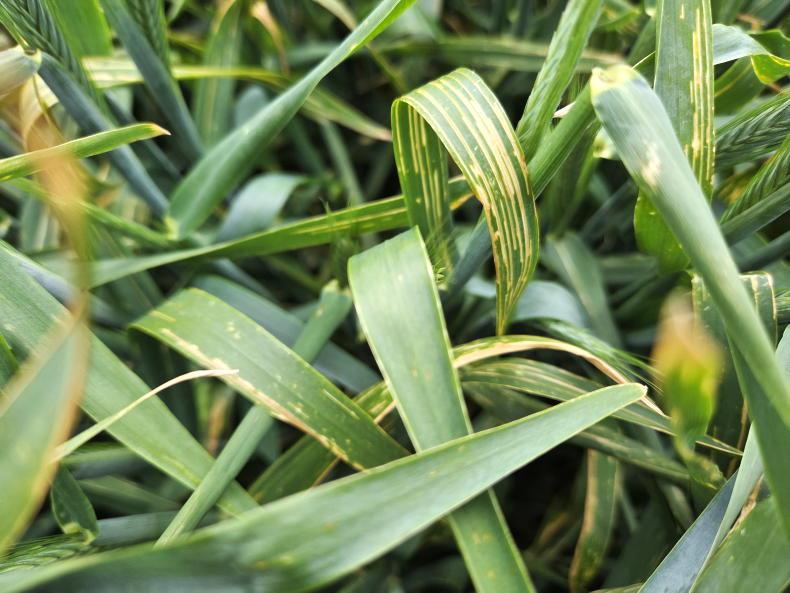
The grower upped the seed rate for fear slugs would take over which is a risk. There was leaf stripe on the crop. It had come in in recent days. It is a soil-borne fungus.
We saw a small amount of winter wheat due its T1 as most crops had been looked after ahead of the rain the previous week with leaf 3 fully emerged.
This crop of Champion was late sown. It had no rust, but septoria was present in the base of the crop.
It had received a T0 of Comet and sulphur. Its T1 was to be applied after visiting – Peacoq, Pontoon and folpet. PGR was finished. T2s were likely due on most crops this weekend and next week.
The first crop of spring barley we visited was food-grade. It will receive an aphicide, Cameo and Galaxy for weeds and Activium green which contains nitrogen, sulphur, magnesium and manganese. Anything with a deficiency receives a straight product.
Liam noted that from soil test results in the Dairygold lab he knows that most fields are deficient in manganese, magnesium or both. Liam was just kicking off on aphicides and weed control in most spring cereal crops.
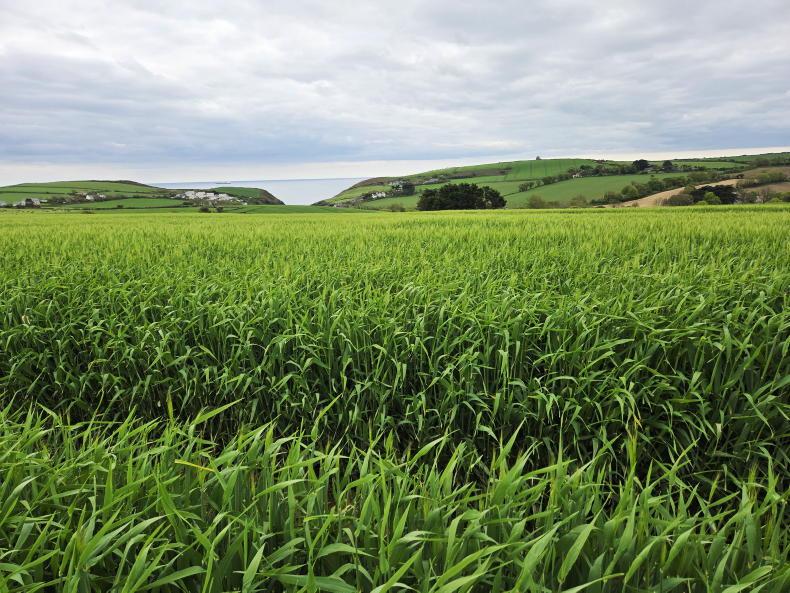
We saw a nice bit of spring wheat the way the day fell. Crops were well up, even and had plenty of plants. Weed burden was low in the fields we saw. A sulphonyl urea will be applied along with a fluroxypyr based product.
Corn marigold was an issue on one farm as it has built up resistance to clopyralid. This means clopyralid needs to be topped up in these fields.
Similarly straight fluroxypyr may be needed to control some chickweed. Axial Pro can be included with these products for wild oats.
Spring wheat gives the advantage of having a label for Broadway Star or Manhattan giving another herbicide alternative for some grass weeds.
On our travels we came across some blackgrass.
The weed has been in the field we saw it in for a number of years and the farmer is actively working to control it through rotation, stale seedbeds, delayed sowing, a move to more spring crops and straw chopping to contain the problem.
These are the first tools that need to be used.
However, the aggressiveness of the weed was evident in the field as a sprayer miss on the corner of a field showed flowering plants.
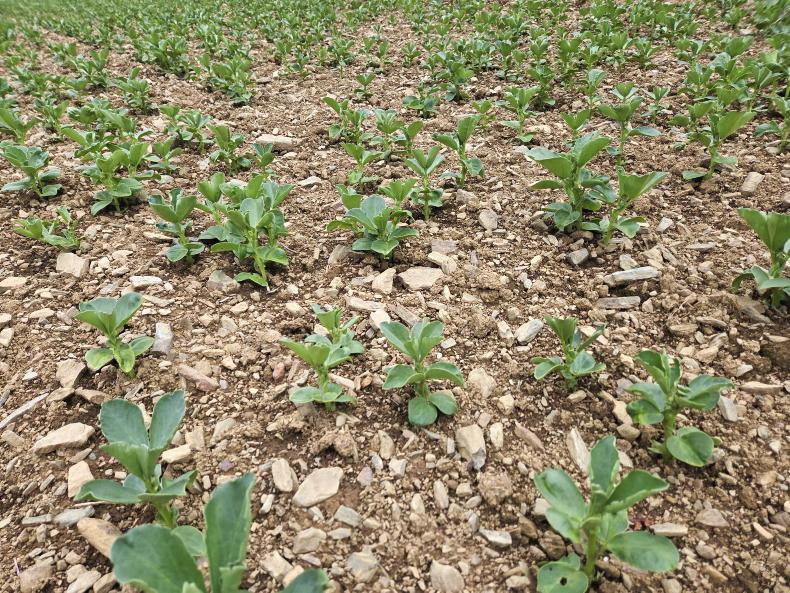
There are now farms across the country with blackgrass and many other herbicide resistant grass weeds.
With any problem grass weed Liam sends samples to Teagasc for resistance testing. This helps him to decide what types of herbicides to use as some many herbicides may have no effect on the weed at all, so cultural control methods have to be implemented first.
We saw some beet just emerging. Liam noted that the area is back this year. Some crops are not long out of the ground. It’s high risk as he said some of the agreements “are built on sand”. Maize acreage is likely around the same as last year.
Overall crops are good. Price, at present, is not. Liam notes markets are sluggish as grain inventories around the world keep a lid on prices.
However, he does expect a lift in markets at some stage, but possibly not until 2027.
Liam hopes this improves and believes tillage farmers should be “credited for their resilience” adding that tillage is “one industry that deserves a break”.