



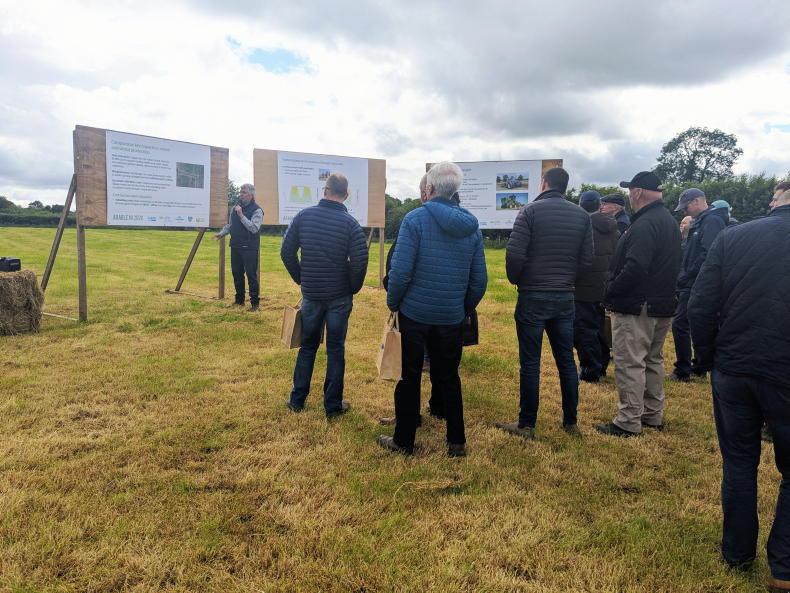
Enjoy life while you’re fit enough to do it.” That was the message from Andrew Ward from Lincolnshire, best-known for his YouTube channel Wardy’s Waffle, speaking at Arable NI 2026 last week. Ward is currently restructuring his farming business to future-proof it, ensure it is ready for the next generation and to run the farm in a way that works for him.
Up to 2025, Andrew farmed 660ha across two farms and hosted the Cereals event in 2025. With some of this land coming from contract-farming arrangements, Ward was worried that he would lose land to Sustainable Farming Incentive (SFI) funding, where land can be put into fallow or ley crops.
He noted it is important not to put your head in the sand when faced with something like this. Farmers must be proactive and look to the future.
“If you’re reacting to a situation, that usually means you’re fire fighting, you’re too late. The minute you stand still and don’t look to the future, you end up going backwards.
“Leave the farm on a good sound footing for the next generation, but do what’s right for you too,” he explained.
When Andrew started considering what would happen if he did lose land, he worked out that he would have to look at a redundancy for one of his two employees and assess whether he could justify his machinery fleet. Then, if there was only one employee left, he considered what would happen if they were sick, had an accident or couldn’t carry out some jobs that require two people when Andrew is away from the farm.
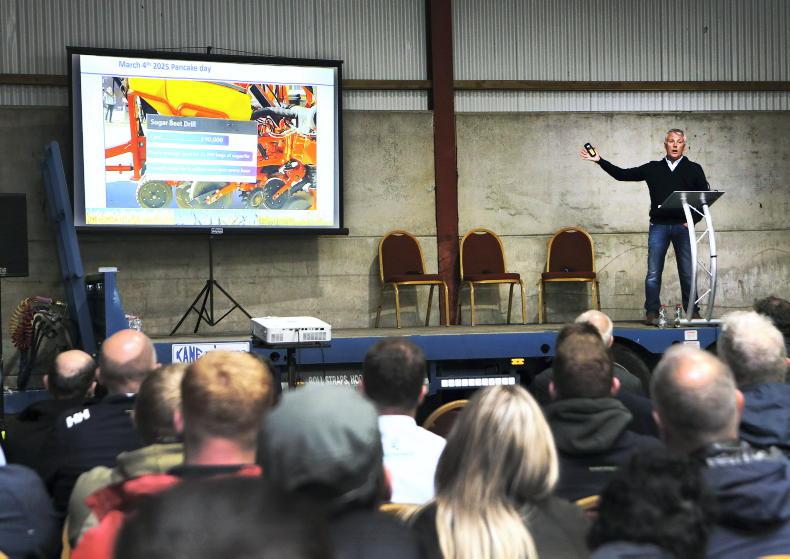
These what-if scenarios are a great exercise to plan forward. Two cancer scares last year and a recent hip replacement have also been eye-opening for the Lincolnshire farmer. He urged everyone to not take their health for granted and get checked out.
Taking all of this into account, a plan of action was formed and the farm has been reduced to 404ha, with all contract farming coming to an end and nearly all machinery sold off. With his daughter not quite ready to take over the farm, and Andrew himself spending more time working for the betterment of the agricultural industry and making the most of life outside of farming, this restructuring suits everyone.
A profit-sharing agreement is in place with a neighbouring family farm, who will provide labour and machinery. This will ensure the farm is kept to a high standard.
Andrew will still provide labour and help out on his own farm and other local farms during busy periods, with some of the machinery he did not sell.
He retained a tractor, a mower for the Cereals event site when it returns to his farm in 2027, a grain trailer to help out at harvest, a tipper trailer to sell and deliver road tailings, a seed drill that must be retained as it was bought with a grant, and an ATV and a telescopic handler.
The restructuring plan was only put in place this year, but it is working very well so far.
This was only possible because of the people around him, such as his land agent and accountant.
“I can’t stress enough of having a really good team behind you,” he said.
Crop rotation
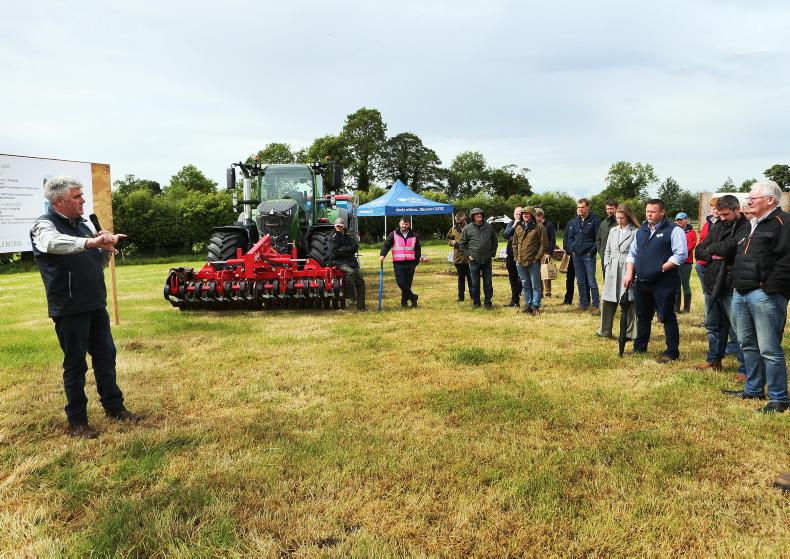
A traffic light system is in place on the farm regarding crop rotation and weed control. Whether a field is green, amber or red depends on the soil type and the presence of blackgrass. A red field will be put into continuous spring barley, cultivated straight after harvest and sprayed off two or three times over the winter, when flushes of blackgrass appear.
In terms of blackgrass, 2013 was the worst year Andrew has seen, but he has worked hard to get to the stage where there is a zero-tolerance approach to blackgrass and his crops are now fully clean at harvest.
Hand-roguing, delayed drilling, very vigorous varieties, spring cropping, spraying out areas of crop that can’t be rogued and removing wheat from the rotation were all used as measures to reduce the blackgrass population.
Delayed drilling was taken very seriously. Ward would not plant a winter cereal before 25 October no matter what the weather was like or what the forecast was showing. If he didn’t get the crop in, he would move to a spring crop which would probably have even more benefits from a blackgrass perspective anyway.
This continued effort over more than ten years has left the farm in the situation where the heaviest of land has returned to a continuous wheat rotation.
Continuous wheat is seen as a blackgrass haven, but with a zero-tolerance approach still in place, Andrew feels very comfortable to do this without risking blackgrass coming back into his fields.
Hand-roguing
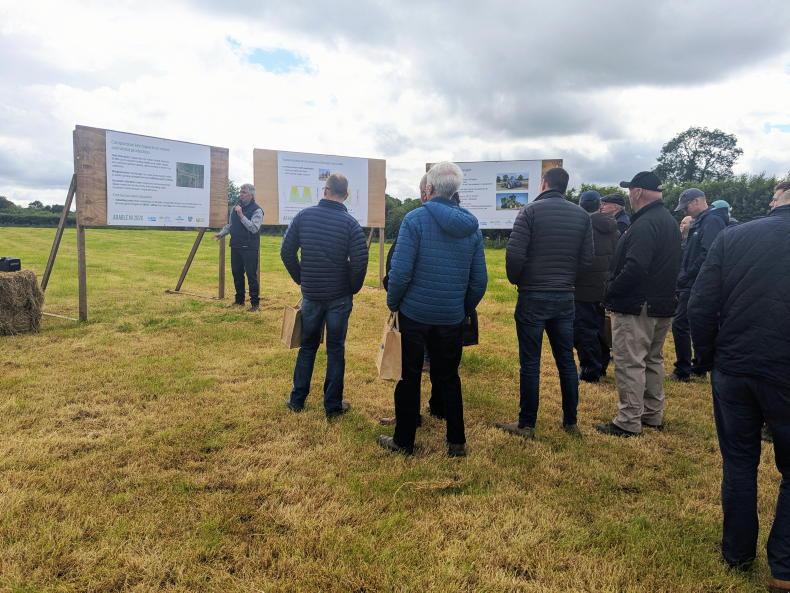
Hand-roguing continues in these continuous wheat fields, some of which have been in continuous wheat for eight years now with no issue. The hand-roguing costs about £9.40/ha, a very worthwhile investment to ensure the fields remain free of blackgrass.
This has occurred under a minimum tillage system, with no field ploughed since 2004. Andrew commented that the soil is in a much better condition now. When the plough was in use, the very heavy soils with 55% clay and 35% silt would not turn over and, therefore, left trash on top of the ground and needed a lot of cultivation to create a reasonable seedbed.
Sugar beet
Andrew also has a decision to make regarding sugar beet. While it has been part of the crop rotation for many years, at present he is veering towards dropping it altogether. Prices have not been great, but the main reason is the soil damage that occurs when pulling the beet, even on some of the farm’s very sandy soils.



SHARING OPTIONS