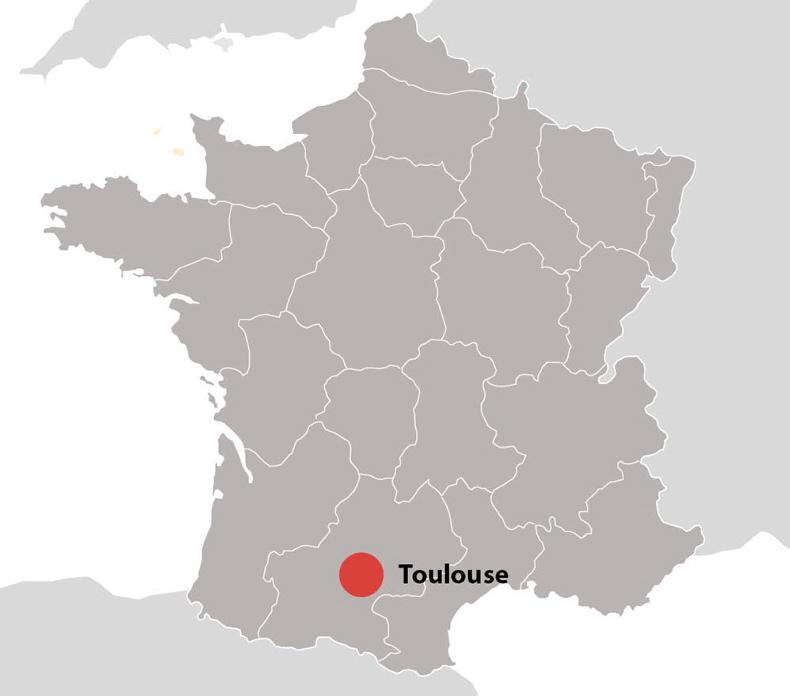
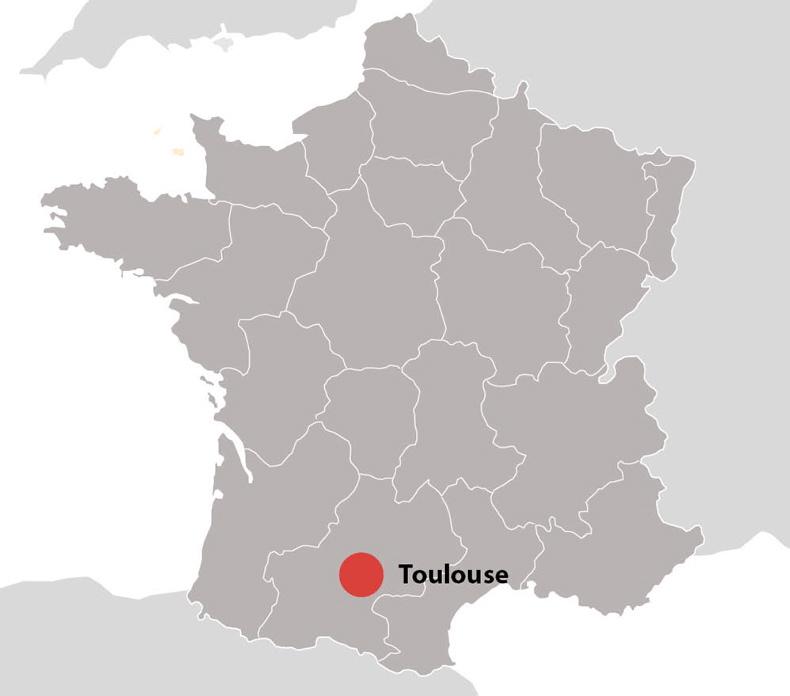
Last week, I went on a tour in southwest France with a group of members from the Federation of Agricultural Retail Merchants (FARM). This took me to an area of that country that I had not visited before – the Toulouse area in the Midi-Pyrénées which has about 10% of the grain maize area in France.
The visit was of particular interest because this region was badly hit by heat and drought in late summer, which reportedly had a big impact on the maize crop there.
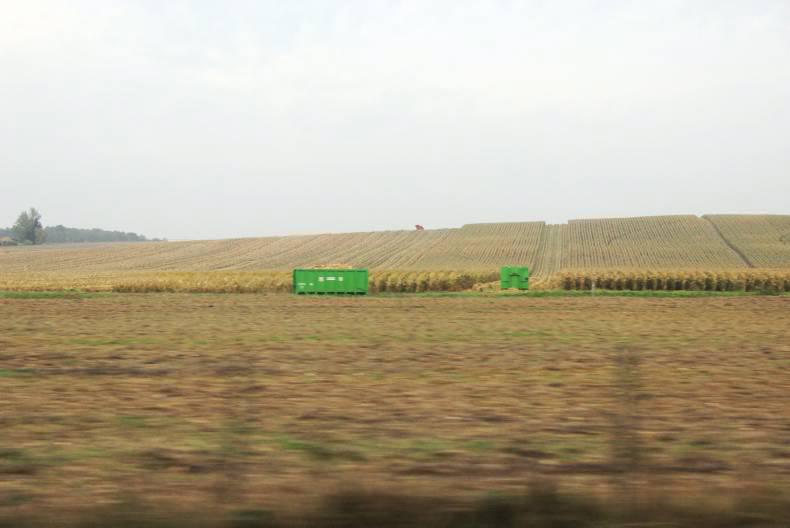
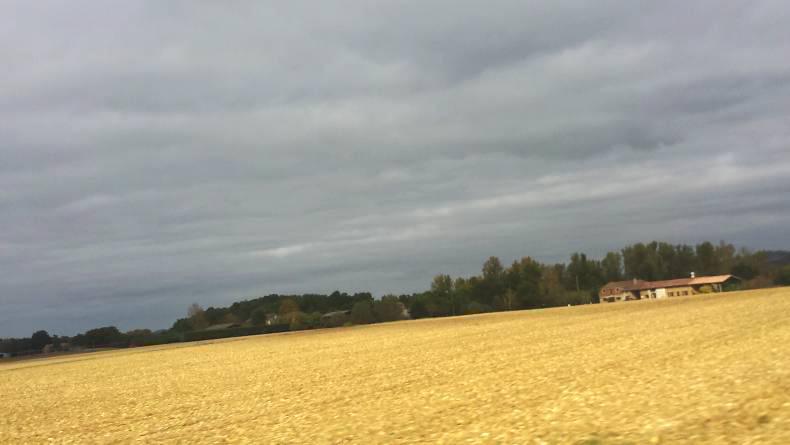
Sure enough, there was a lot of maize around the Toulouse region and, at a guess, over half of it was cut. There was little to gauge whether those crops already harvested were the best or the poorest but many of the remaining crops looked respectable.
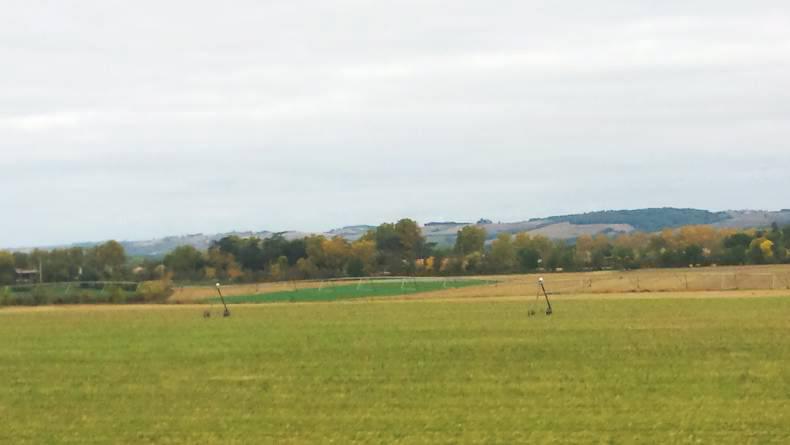
Irrigation facilities were common in the area and the effects of drought were certainly very obvious in the corners of the square fields where centre pivot irrigation did not reach. Approximately a quarter of the maize fields we passed had irrigation pivots fitted.
Judging by the density of the stubble and the lack of regrowth, one might assume that the crops that were cut were reasonable to good. But we did see an occasional very poor maize crop which may have been a combination of lack of moisture and fertility but it is unlikely that any farmers would attempt to grow maize without adequate fertility.
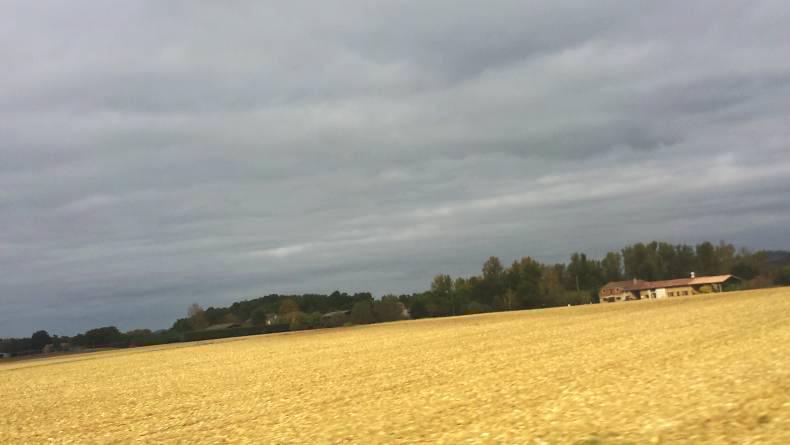
It was interesting to see that virtually every harvested maize field had already been cultivated to incorporate stubble. It was also noticeable that all of the oilseed rape crops appeared to be established in wide rows by some non-inversion method. It seemed unlikely that green cover will establish in these maize stubbles as the cultivation appeared to be deep and coarse to enable moisture to penetrate.
Another sign of autumn drought was the variable establishment in winter oilseed rape crops. Virtually all the crops we drove past were wide row planted and the crops looked well where establishment was good. The plants had almost met across the rows at that point, which is important in that region, especially on the higher ground, as the average winter temperature tends to be about -2°C.
However, most fields had quite variable establishment, with parts of fields or even whole areas within fields having poor or no establishment. But the plants that did establish were about 10-12 inches across and carried a strong healthy green colour.
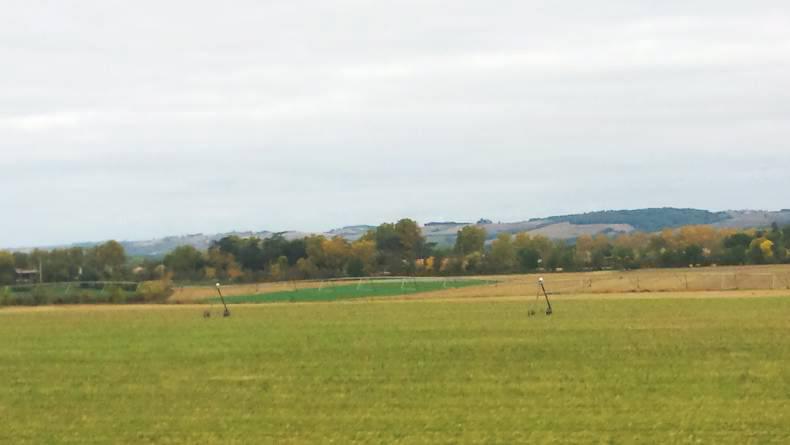
Even in the undulating lowlands around Toulouse (about 150m above sea level), there was quite a lot of mixed farming. Farming systems were quite diverse with some stock in most areas but then vines could be found beside maize. The proportion of tillage decreased and livestock became more prevalent as we moved up from the flatter land towards Albi and into the Massif Central around Rodez. That area was closer to 650-700m altitude and had much more grassland intermingled with a little tillage for farm feed.
Parts of the area had a lot of hillside vineyards which produced a specific wine that was unique to the region.
Harvesting seed maize
Back down on the lower ground it was strange to see maize fields harvested for grain with two rows still not harvested about every 20m to 25m. This was the first hint that a number of fields in this region may be grown for hybrid seed production where the two remaining rows were the male plants and the harvested rows were the female or mother plants that had been harvested for seed.
The second clue as to the use of these crops was that the stubble looked to be stripped rather than cut and harvested. Maize stems looked to be broken rather than cut. And there was no trail of haulm to indicate where the combine had passed.
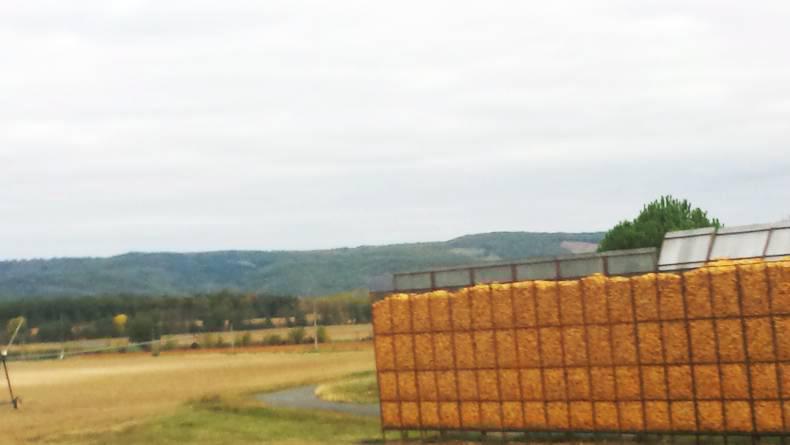
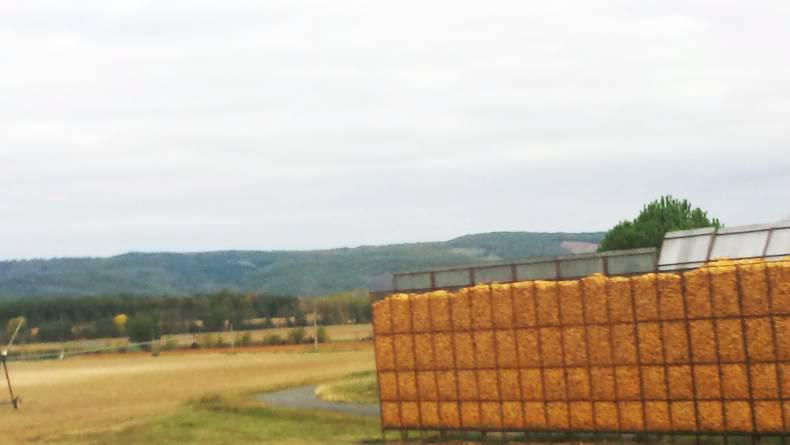
The third clue could be seen around the farmyards. Many of them had a series of what looked like netted wire boxes or cages, which looked to be about four high with a lid on top and the bottom box off the ground. These are for storing harvested cobs and many of them were already filled while others were empty, possibly awaiting the remaining crops to be harvested.
In France, seed maize is often harvested and stored as full cobs, rather than threshed seed, and the seed is inspected in cobs prior to threshing. After harvest, seed is stored as full cobs in these netted containers and allowed to dry out naturally prior to removal to the seed assembler for threshing, cleaning, dressing, bagging, etc.
Dairy farm
We visited a dairy farmer near a little town called Baraqueville. Translation into farming language is always a challenge but we did manage to get a feel for the farming system.
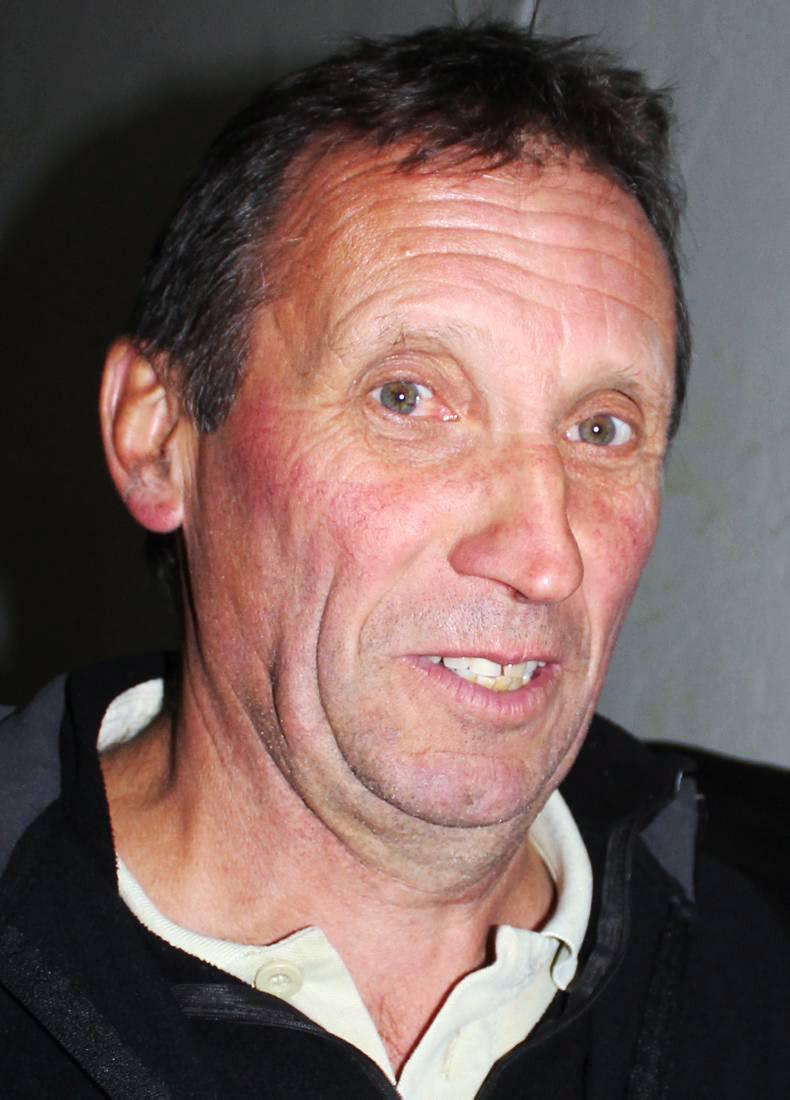
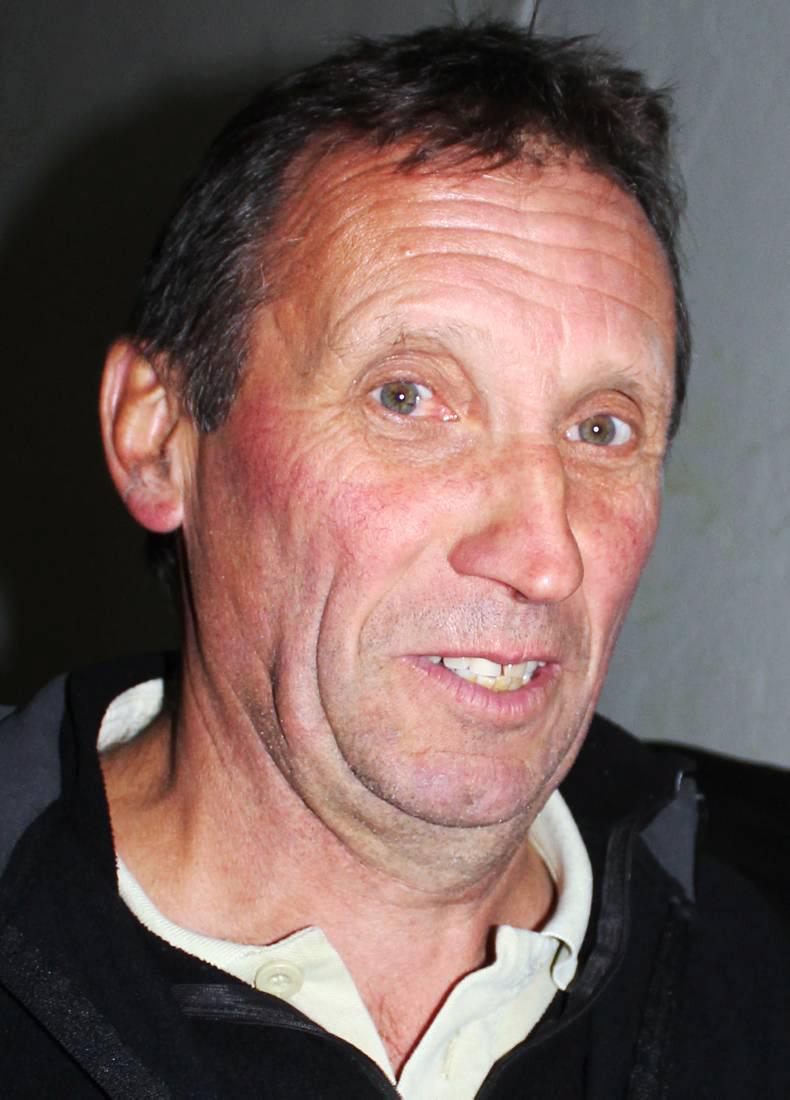
The farm is managed as a company by the Caulet family. Jean Louis Caulet told us that he farms 106ha of owned land within the company, along with his father, and now his son has come into the business. There were also two employees on the farm with more than enough work for all.
This farm is around 725m above sea level and the winters are cold in this area. Rainfall in this region is just over 750mm per annum with good monthly distribution – it would be almost double this amount further west as you get closer to the Bay of Biscay.
The dairy system is quite different to what we have here in Ireland. Feed production is based around a three-year rotation with a high yielding grassland mix, maize silage and winter barley. Cows remain inside virtually all year round but these big Holstein animals looked very content inside and remarkably clean on bedded cubicles and automatic scrapers.
Bull calves are sold for veal production after 15 days at around €80-€90 per calf currently.
Jean Louis has between 85 and 90 cows and produces up to his limit of 860,000 litres of milk. This limit remains in place despite the ending of EU quotas, as this is imposed on him by his local cooperative due to their limited processing capacity.
His average yield per cow is around 9,300 litres per annum and price is currently around 30c/litre, but falling. He sees lots of challenges for the future but he still believes that he and his son will remain in milk production.
All milk goes for processing in his local town of Rodez. Price is based on solids but Jean Louis seemed to be unaware of the specifics of the milk he was supplying. He said that he does not receive regular updates of his milk quality but he was quite aware of some specific quality aspects.
He claimed to be unaware of his precise production costs but he acknowledged that if price dropped below the current 30c/litre bracket he would certainly move out of the profit bracket.
As mentioned previously, the bulk of the land is rotated on an annual basis with the grass mainly conserved as hay, all of the maize used as silage and some of the barley sold but most of it fed.
The farm has all its own machinery to do this work, including the preparation of a compound ration which is fed in the parlour on an individual cow basis.
Jean Louis has good housing infrastructure and the low ceilings in the calf houses point to a very different climate to ours. He can get grants for some capital investment projects like buildings (up to 40%). He uses a Keenan feeder to prepare ration for the cows, which he is very happy with.
“It does a good job, is very robust and leaves the coarse fibre intact in the ration,” he commented.
Land use in this area has traditionally been involved in dairy and beef production, with some sheep and goats. The main beef breeds in the area include Limousin, Charolais, and Blonde d’Aquitaine, with some Aubrac and Salers. Land costs about €200/ha to rent/lease and about €10,000/ha to purchase when it comes available.
Plant breeding
We also visited the very impressive headquarters of RAGT, the well-known European plant breeding company. This was originally a French farmers’ co-op and was named after the four regions that it serviced – Rouergue, Auvergne, Gévaudan and Tarnais. It was founded in 1919 as a service co-op and has gone through considerable evolution since then. It is now a private company where all its shareholders are farmers.
It began plant breeding in 1962, formed a partnership with DeKalb in 1972 which ended in 1999 and it purchased the old Cambridge Plant Breeding Institute (PBI) business from Monsanto in 2004 to give it access to European markets. Since then, it has formed a breeding partnership with Bayer CropScience.
Speaking during the visit the cereals managing director, Simon Howell, told us that the company is now number one for winter wheat, Durum wheat, pulses and triticale and number three for barley, oilseed rape and grasses. It is number six for maize seeds but this is its highest earning crop. However, Simon suggested that barley could become its biggest earning crop in the near future.
Simon said that their new spring barley, Planet, is proving to be very successful and it topped the variety trialling systems everywhere it has been tested, with the exception of Sweden. So it may prove to be one of these universal malting barley varieties that will have universal appeal but also universal availability.
Simon said that it has many unique characteristics which, as well as yield, make it easy to manipulate, if necessary, during the processing pathways.
He said that their barley breeding programme targets yield with quality for malting barley and that varieties that do not have adequate quality are destined for the feed market. He also told us that the company won a rare and prestigious award from NIAB this year for achieving their relatively unique combination of milling ability, good disease resistance and midge resistance in its winter wheat variety Skyfall.
“This,” he said, “is the first big delivery since the company purchased the old PBI business in Britain.”
Helen Wilson is the company’s specialist on soil health and cover crop breeding and she spoke at a Teagasc event in Laois in the autumn. She was also present at this meeting and she again said that the choice of crops to plant must be influenced by the reasons why a farmer is growing a cover crop. Whether a farmer wants to improve soil structure or soil organic matter must influence the choice of species used in a mixture for planting.
The farm rotation is also a factor as brassicas should be avoided where crops like oilseed rape are grown in the rotation. Mixtures should be kept simple, she advised, and each crop should be evaluated every year to scrutinise the performance of the different species.
Commenting on individual species, she said that vetch is a very useful inclusion and that it will break down quite fast to free up nutrients for the following crop. And she indicated that chopping the foliage prior to cultivation will further speed up the process of nutrient recycling.
Asked whether the vegetation is best desiccated or chopped and incorporated fresh, Helen said that there is no available information yet on this important question. Equally, there is no guidance on the issue of leaving the residue close to the surface as distinct from incorporating it deeper into the seedbed by ploughing.
The big Airbus
While it is not an agricultural topic, a visit to the Airbus assembly line, which is located beside Toulouse airport, produced some interesting facts for those with an interest in machinery.
We visited the A380 assembly line, which is the biggest civilian airliner in the world with up to 850 passenger capacity in an economy layout or 500 people for the lavishly equipped version.
This is a massive feat of engineering. It has a wingspan of 79.8m with a length of 73m (you could just about drop two into Croke Park) and a wing surface of 845m2. Unladen weight is 250t and a further 250t of fuel, plus 60t of passengers and their effects, leave 560t to cope with for take-off.
Four engines are fitted as standard and these can be either Rolls Royce or Engine Alliance units, as specified by the buyer.
At the moment the factory is producing three planes per month and there is a four-year waiting time for a new order. Total manufacture time is about eight months but the majority of this is taken up by inspection and checking post-assembly.
Airbus is owned by interests in France, Germany, Spain and the United Kingdom. Different parts of the fuselage are made in the different countries and a special plane – the Beluga – was built to transport parts for the plane to Toulouse for assembly.
However, other parts of the fuselage are far too big to fit into a plane and these are transported by sea, then river and finally by road to the assembly unit.
The hanger where they are assembled (490x250x46m high) can hold three fully assembled planes. Working platforms are fully mobile and are suspended from the roof in a fully mobile manner.
Issues for FARM
distributors
At a meeting of the FARM members during the tour, there was a substantial debate on a range of issues relevant to pesticides.
There was active debate on the selling of pesticides and who they can be sold to after 26 November. Some believe that they could only sell to individuals with a herd number or a professional user number, as indicated in the initial communications from the Department.
Others suggested that professional use pesticides can be sold to anyone but that it was up to the purchaser to show that the product(s) were applied by a professional user. Some indicated that they would not sell professional use products to anyone who was not a professional user or a farmer.
In reference to this question, it is worth noting the following frequently asked questions on the SUD website:
Can an individual who is not registered as a professional user buy pesticides authorised for professional use?
Individuals who are not registered as a professional user can buy pesticides authorised for professional use but these pesticides must be applied by a registered professional user. There is a requirement to keep appropriate records with details of the registered professional user who applied the pesticides.
So PCRD have confirmed that professional use products can be purchased by
anyone, with or without a herd or professional user number, and that the purchaser must subsequently account for how, where and who applied this product(s).
Other issues discussed related to the issue of the presence of pesticide in Irish water. This has become an increasingly big concern and FARM members are at the coalface in that they directly sell and advise users on all pesticides. They believe that a more comprehensive stewardship process should be put in place to help with the proper use of MCPA in particular.
The accountability of crop recommendations and the justification for including specific ingredients in a spray mix, in the context of IPM, also received considerable discussion. So did the traceability of sprays sold and the requirement for the maintenance of advice and sales records for up to five years.
Maize harvesting appeared to be progressing well but there was evidence of drought stress in non-irrigated fields.Maize stubbles were being cultivated post harvest but there was no evidence of green cover establishment. The Toulouse area grows a lot of maize but it is primarily a mixed farming region. There is still a level of confusion with regard to the implementation of the pesticide sustainable use directive in Ireland.
Last week, I went on a tour in southwest France with a group of members from the Federation of Agricultural Retail Merchants (FARM). This took me to an area of that country that I had not visited before – the Toulouse area in the Midi-Pyrénées which has about 10% of the grain maize area in France.
The visit was of particular interest because this region was badly hit by heat and drought in late summer, which reportedly had a big impact on the maize crop there.
Sure enough, there was a lot of maize around the Toulouse region and, at a guess, over half of it was cut. There was little to gauge whether those crops already harvested were the best or the poorest but many of the remaining crops looked respectable.
Irrigation facilities were common in the area and the effects of drought were certainly very obvious in the corners of the square fields where centre pivot irrigation did not reach. Approximately a quarter of the maize fields we passed had irrigation pivots fitted.
Judging by the density of the stubble and the lack of regrowth, one might assume that the crops that were cut were reasonable to good. But we did see an occasional very poor maize crop which may have been a combination of lack of moisture and fertility but it is unlikely that any farmers would attempt to grow maize without adequate fertility.
It was interesting to see that virtually every harvested maize field had already been cultivated to incorporate stubble. It was also noticeable that all of the oilseed rape crops appeared to be established in wide rows by some non-inversion method. It seemed unlikely that green cover will establish in these maize stubbles as the cultivation appeared to be deep and coarse to enable moisture to penetrate.
Another sign of autumn drought was the variable establishment in winter oilseed rape crops. Virtually all the crops we drove past were wide row planted and the crops looked well where establishment was good. The plants had almost met across the rows at that point, which is important in that region, especially on the higher ground, as the average winter temperature tends to be about -2°C.
However, most fields had quite variable establishment, with parts of fields or even whole areas within fields having poor or no establishment. But the plants that did establish were about 10-12 inches across and carried a strong healthy green colour.
Even in the undulating lowlands around Toulouse (about 150m above sea level), there was quite a lot of mixed farming. Farming systems were quite diverse with some stock in most areas but then vines could be found beside maize. The proportion of tillage decreased and livestock became more prevalent as we moved up from the flatter land towards Albi and into the Massif Central around Rodez. That area was closer to 650-700m altitude and had much more grassland intermingled with a little tillage for farm feed.
Parts of the area had a lot of hillside vineyards which produced a specific wine that was unique to the region.
Harvesting seed maize
Back down on the lower ground it was strange to see maize fields harvested for grain with two rows still not harvested about every 20m to 25m. This was the first hint that a number of fields in this region may be grown for hybrid seed production where the two remaining rows were the male plants and the harvested rows were the female or mother plants that had been harvested for seed.
The second clue as to the use of these crops was that the stubble looked to be stripped rather than cut and harvested. Maize stems looked to be broken rather than cut. And there was no trail of haulm to indicate where the combine had passed.
The third clue could be seen around the farmyards. Many of them had a series of what looked like netted wire boxes or cages, which looked to be about four high with a lid on top and the bottom box off the ground. These are for storing harvested cobs and many of them were already filled while others were empty, possibly awaiting the remaining crops to be harvested.
In France, seed maize is often harvested and stored as full cobs, rather than threshed seed, and the seed is inspected in cobs prior to threshing. After harvest, seed is stored as full cobs in these netted containers and allowed to dry out naturally prior to removal to the seed assembler for threshing, cleaning, dressing, bagging, etc.
Dairy farm
We visited a dairy farmer near a little town called Baraqueville. Translation into farming language is always a challenge but we did manage to get a feel for the farming system.
The farm is managed as a company by the Caulet family. Jean Louis Caulet told us that he farms 106ha of owned land within the company, along with his father, and now his son has come into the business. There were also two employees on the farm with more than enough work for all.
This farm is around 725m above sea level and the winters are cold in this area. Rainfall in this region is just over 750mm per annum with good monthly distribution – it would be almost double this amount further west as you get closer to the Bay of Biscay.
The dairy system is quite different to what we have here in Ireland. Feed production is based around a three-year rotation with a high yielding grassland mix, maize silage and winter barley. Cows remain inside virtually all year round but these big Holstein animals looked very content inside and remarkably clean on bedded cubicles and automatic scrapers.
Bull calves are sold for veal production after 15 days at around €80-€90 per calf currently.
Jean Louis has between 85 and 90 cows and produces up to his limit of 860,000 litres of milk. This limit remains in place despite the ending of EU quotas, as this is imposed on him by his local cooperative due to their limited processing capacity.
His average yield per cow is around 9,300 litres per annum and price is currently around 30c/litre, but falling. He sees lots of challenges for the future but he still believes that he and his son will remain in milk production.
All milk goes for processing in his local town of Rodez. Price is based on solids but Jean Louis seemed to be unaware of the specifics of the milk he was supplying. He said that he does not receive regular updates of his milk quality but he was quite aware of some specific quality aspects.
He claimed to be unaware of his precise production costs but he acknowledged that if price dropped below the current 30c/litre bracket he would certainly move out of the profit bracket.
As mentioned previously, the bulk of the land is rotated on an annual basis with the grass mainly conserved as hay, all of the maize used as silage and some of the barley sold but most of it fed.
The farm has all its own machinery to do this work, including the preparation of a compound ration which is fed in the parlour on an individual cow basis.
Jean Louis has good housing infrastructure and the low ceilings in the calf houses point to a very different climate to ours. He can get grants for some capital investment projects like buildings (up to 40%). He uses a Keenan feeder to prepare ration for the cows, which he is very happy with.
“It does a good job, is very robust and leaves the coarse fibre intact in the ration,” he commented.
Land use in this area has traditionally been involved in dairy and beef production, with some sheep and goats. The main beef breeds in the area include Limousin, Charolais, and Blonde d’Aquitaine, with some Aubrac and Salers. Land costs about €200/ha to rent/lease and about €10,000/ha to purchase when it comes available.
Plant breeding
We also visited the very impressive headquarters of RAGT, the well-known European plant breeding company. This was originally a French farmers’ co-op and was named after the four regions that it serviced – Rouergue, Auvergne, Gévaudan and Tarnais. It was founded in 1919 as a service co-op and has gone through considerable evolution since then. It is now a private company where all its shareholders are farmers.
It began plant breeding in 1962, formed a partnership with DeKalb in 1972 which ended in 1999 and it purchased the old Cambridge Plant Breeding Institute (PBI) business from Monsanto in 2004 to give it access to European markets. Since then, it has formed a breeding partnership with Bayer CropScience.
Speaking during the visit the cereals managing director, Simon Howell, told us that the company is now number one for winter wheat, Durum wheat, pulses and triticale and number three for barley, oilseed rape and grasses. It is number six for maize seeds but this is its highest earning crop. However, Simon suggested that barley could become its biggest earning crop in the near future.
Simon said that their new spring barley, Planet, is proving to be very successful and it topped the variety trialling systems everywhere it has been tested, with the exception of Sweden. So it may prove to be one of these universal malting barley varieties that will have universal appeal but also universal availability.
Simon said that it has many unique characteristics which, as well as yield, make it easy to manipulate, if necessary, during the processing pathways.
He said that their barley breeding programme targets yield with quality for malting barley and that varieties that do not have adequate quality are destined for the feed market. He also told us that the company won a rare and prestigious award from NIAB this year for achieving their relatively unique combination of milling ability, good disease resistance and midge resistance in its winter wheat variety Skyfall.
“This,” he said, “is the first big delivery since the company purchased the old PBI business in Britain.”
Helen Wilson is the company’s specialist on soil health and cover crop breeding and she spoke at a Teagasc event in Laois in the autumn. She was also present at this meeting and she again said that the choice of crops to plant must be influenced by the reasons why a farmer is growing a cover crop. Whether a farmer wants to improve soil structure or soil organic matter must influence the choice of species used in a mixture for planting.
The farm rotation is also a factor as brassicas should be avoided where crops like oilseed rape are grown in the rotation. Mixtures should be kept simple, she advised, and each crop should be evaluated every year to scrutinise the performance of the different species.
Commenting on individual species, she said that vetch is a very useful inclusion and that it will break down quite fast to free up nutrients for the following crop. And she indicated that chopping the foliage prior to cultivation will further speed up the process of nutrient recycling.
Asked whether the vegetation is best desiccated or chopped and incorporated fresh, Helen said that there is no available information yet on this important question. Equally, there is no guidance on the issue of leaving the residue close to the surface as distinct from incorporating it deeper into the seedbed by ploughing.
The big Airbus
While it is not an agricultural topic, a visit to the Airbus assembly line, which is located beside Toulouse airport, produced some interesting facts for those with an interest in machinery.
We visited the A380 assembly line, which is the biggest civilian airliner in the world with up to 850 passenger capacity in an economy layout or 500 people for the lavishly equipped version.
This is a massive feat of engineering. It has a wingspan of 79.8m with a length of 73m (you could just about drop two into Croke Park) and a wing surface of 845m2. Unladen weight is 250t and a further 250t of fuel, plus 60t of passengers and their effects, leave 560t to cope with for take-off.
Four engines are fitted as standard and these can be either Rolls Royce or Engine Alliance units, as specified by the buyer.
At the moment the factory is producing three planes per month and there is a four-year waiting time for a new order. Total manufacture time is about eight months but the majority of this is taken up by inspection and checking post-assembly.
Airbus is owned by interests in France, Germany, Spain and the United Kingdom. Different parts of the fuselage are made in the different countries and a special plane – the Beluga – was built to transport parts for the plane to Toulouse for assembly.
However, other parts of the fuselage are far too big to fit into a plane and these are transported by sea, then river and finally by road to the assembly unit.
The hanger where they are assembled (490x250x46m high) can hold three fully assembled planes. Working platforms are fully mobile and are suspended from the roof in a fully mobile manner.
Issues for FARM
distributors
At a meeting of the FARM members during the tour, there was a substantial debate on a range of issues relevant to pesticides.
There was active debate on the selling of pesticides and who they can be sold to after 26 November. Some believe that they could only sell to individuals with a herd number or a professional user number, as indicated in the initial communications from the Department.
Others suggested that professional use pesticides can be sold to anyone but that it was up to the purchaser to show that the product(s) were applied by a professional user. Some indicated that they would not sell professional use products to anyone who was not a professional user or a farmer.
In reference to this question, it is worth noting the following frequently asked questions on the SUD website:
Can an individual who is not registered as a professional user buy pesticides authorised for professional use?
Individuals who are not registered as a professional user can buy pesticides authorised for professional use but these pesticides must be applied by a registered professional user. There is a requirement to keep appropriate records with details of the registered professional user who applied the pesticides.
So PCRD have confirmed that professional use products can be purchased by
anyone, with or without a herd or professional user number, and that the purchaser must subsequently account for how, where and who applied this product(s).
Other issues discussed related to the issue of the presence of pesticide in Irish water. This has become an increasingly big concern and FARM members are at the coalface in that they directly sell and advise users on all pesticides. They believe that a more comprehensive stewardship process should be put in place to help with the proper use of MCPA in particular.
The accountability of crop recommendations and the justification for including specific ingredients in a spray mix, in the context of IPM, also received considerable discussion. So did the traceability of sprays sold and the requirement for the maintenance of advice and sales records for up to five years.
Maize harvesting appeared to be progressing well but there was evidence of drought stress in non-irrigated fields.Maize stubbles were being cultivated post harvest but there was no evidence of green cover establishment. The Toulouse area grows a lot of maize but it is primarily a mixed farming region. There is still a level of confusion with regard to the implementation of the pesticide sustainable use directive in Ireland. 




SHARING OPTIONS