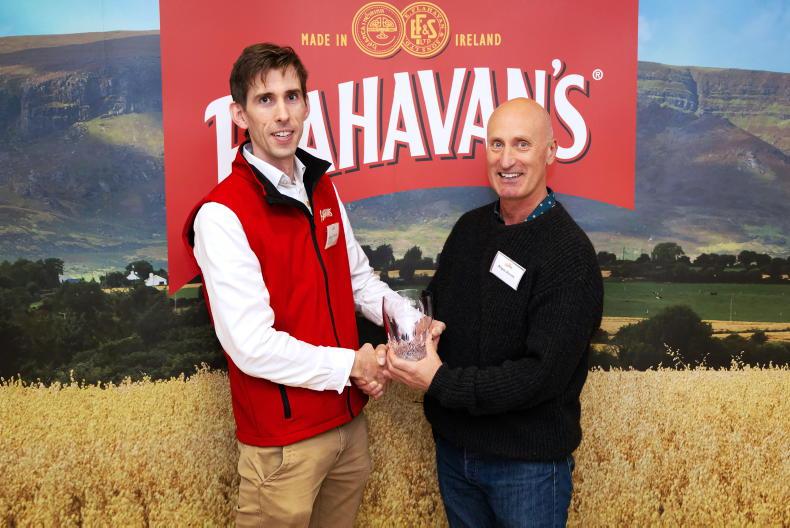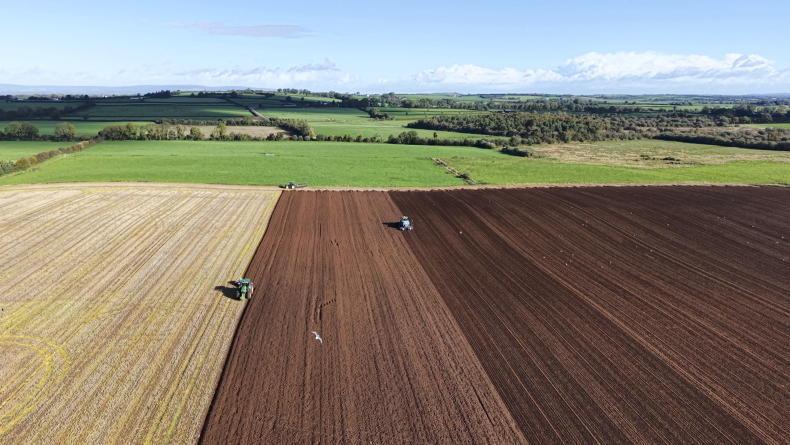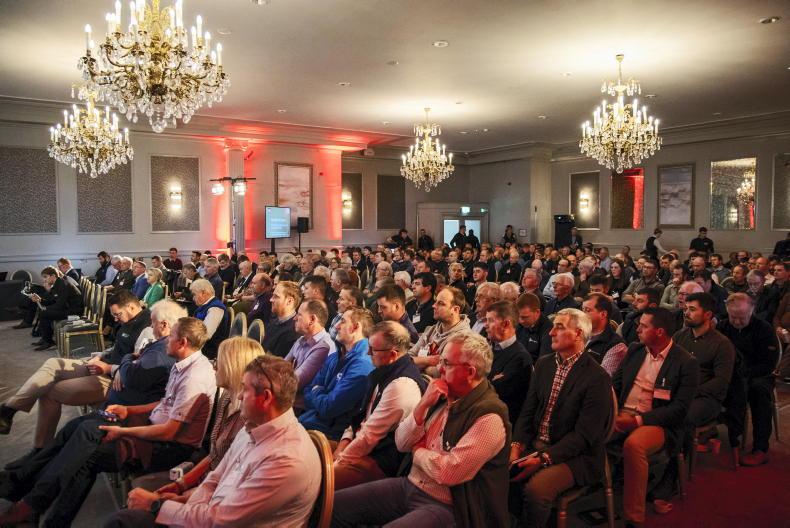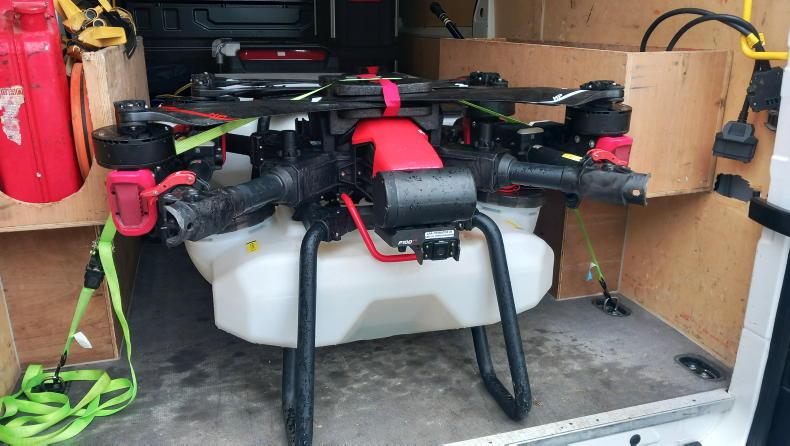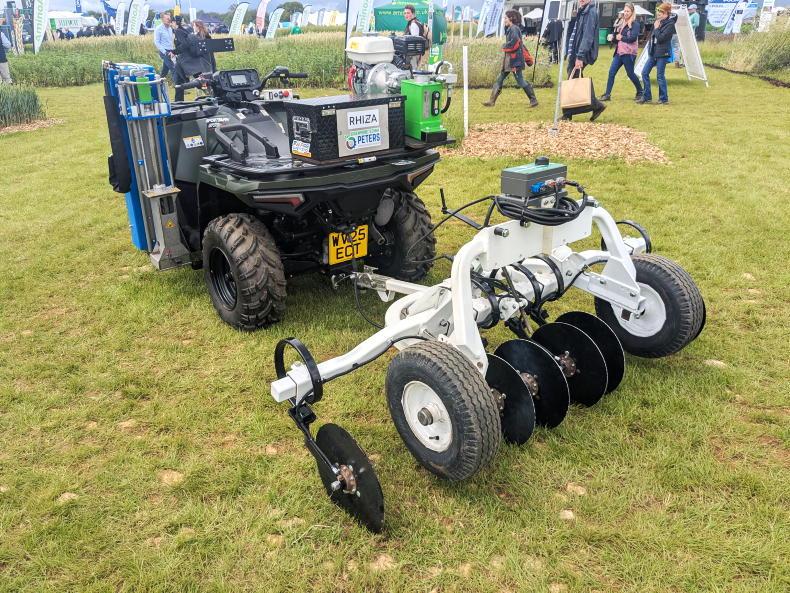
One of the main themes of Cereals 2026 was the growing use of technology, with everything from drones and robots to soil sensors and management apps on display.
The Agrii stand was no different. The UK-based provider of independent agronomy services showcased its Smart Connected Farm and claimed that a technology-led approach to crop management can improve a farmer’s margin by £136/ha, even when the cost of the technology is taken into account.
Contributing to this increase in gross margin, the technology-led approach included a winter wheat yield increase of 0.82t/ha, a 15% reduction in the amount of nitrogen applied and a reduction in carbon emissions of up to 23% in Agrii research trials.
The Smart Connected Farm
The Smart Connected Farm is described as a system that integrates digital tools, data and agronomy advice together, to help farmers make better decisions, rather than a farmer having to use multiple platforms, systems and information sources to get what they need. Everything you need is in the one place, making the technology easier to use.
The Smart Connected Farm begins with Contour, Agrii’s digital farming platform. Their hope is that every farmer’s system will be customised to the specific needs of their farm. Each tool or piece of technology will be evaluated according to the farmer’s requirements and will only be included if needed and a return on investment is achievable. Therefore, every system will be custom-built and unique.
Every piece of technology is rigorously tested by Agrii before it is recommended to be used by farmers. It has tested over 60 different technologies in the past 18 months, including drones, robots, sensors and software solutions.
This testing is done at a field-scale on commercial farms and considers the return on investment for the farmer and the operational effectiveness of the technology. This includes everything from whether rabbits eat the wires in the field, to the ease of using the technology and whether it works every time a farmer needs it to.
However, the company was keen to stress that this technology cannot replace farmers. A farmer’s knowledge, experience and judgement are vital; these systems are designed to complement the farmer and to help them make well-informed decisions.
The future of agronomists
Agrii also highlighted how it thinks the role of agronomists will change as technology develops. Some of its agronomists already use drones to help increase the efficiency of their crop walking.
When entering a large field or a number of fields together, they first fly a drone over the area to identify any issues. The agronomist can then walk directly to this area to diagnose the problem, rather than walking to every corner of the field that they cannot see from the gate.
The use of drones may allow for more frequent scouting and analysis of a crop too, which Agrii hopes will lead to earlier diagnosis of any crop issues.
Agrii expects its agronomists will spend more time analysing data in the future too. This could be data from sensors, soil test results, satellite imagery or drone maps which can be used to create management zones and variable rate application maps for a field.