



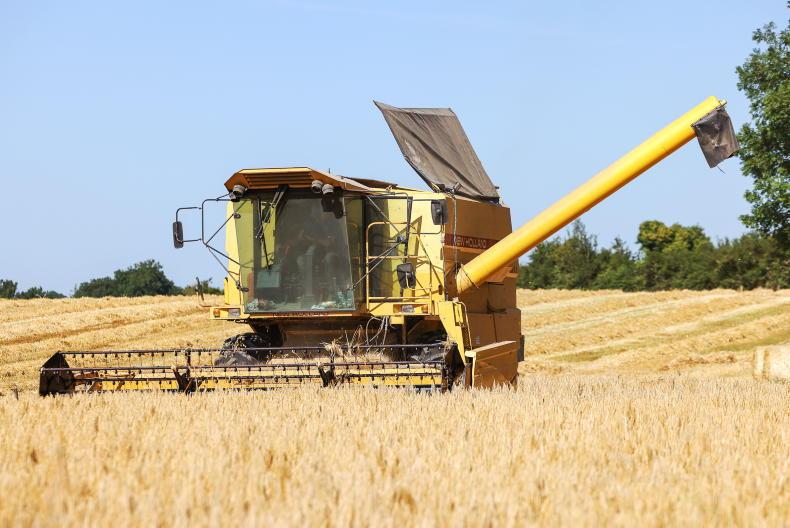
Harvest: Harvesting continues for many and has not started for others. Oilseed rape is being harvested in some places.
Keep an eye on crops in case moistures drop very low. With the warm weather it is important to get crops cut at appropriate moisture contents, but it also takes pressure off at a busy time of the year in many cases as there is no rain in the forecast.
There is still no word on the Straw Incorporation Measure, so if you have applied for it then you need to make the decision whether to chop or not as letters have not been sent out. The money surely has to be found at this stage and notices need to be sent out.
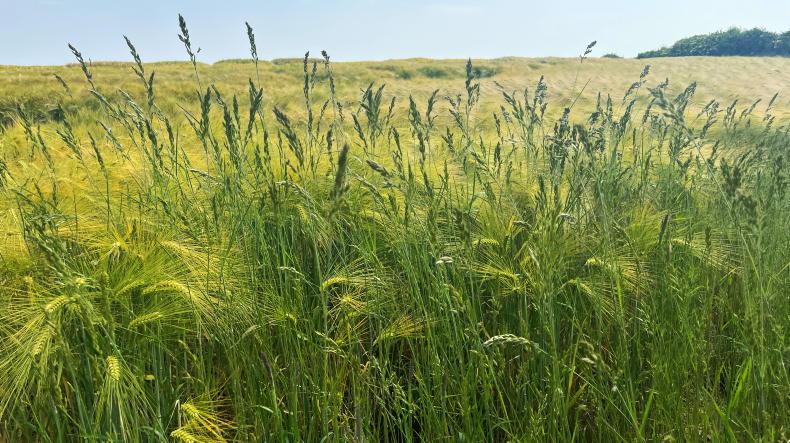
Cleaning machines: Cleaning machines is essential in this heat, but it is also essential in reducing the spread of grass weeds. Clean combines and balers between fields to prevent the spread of weeds from one field to another. If they are your own fields and you are sure that they are clean then you can probably limit cleaning between clean fields. Be especially cautious where you do not know fields or farms.
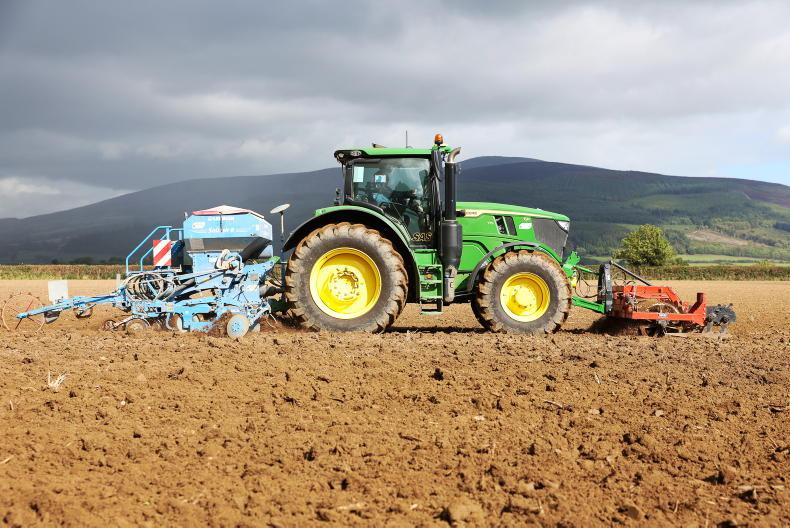
Green cover: Last week I wrote that stubble cultivation rules were no longer in place. This is positive and in this weather stubble cultivation would be extremely difficult. However, you do need to provide a green cover over winter for cross compliance, but this can be done by natural regeneration or by tilling later in the season. Some fields will also have cover crops, so that will provide green cover on those fields. At present it is likely too dry in most places to plant cover crops. Cultivations will be difficult, but seeds will not germinate properly in the dry conditions.
Caterpillars: Caterpillar sightings are being reported in beans, beet and some cereal crops. Some bean crops were badly damaged and some beet crops. There have also been sightings in spring barley where some ears and awns have been eaten. However, from talking to someone looking at these crops, once the damage is spotted the caterpillars may already be gone to cocoon.
Teagasc has identified the problem caterpillar as the Silver Y Moth caterpillar and gave a description of its features. It is greyish brown with a distinctive silver coloured “Y” marking on each of the forewing. It creates a loop in the middle of its body when travelling. The warmer weather this season is thought to have brought them further north this year.
Teagasc says caterpillars have three pairs of true legs just behind their head capsule and “at the anterior end, you will often see proleg structures, which look like fleshy legs. Teagasc has advised farmers to inspect susceptible crops regularly in the coming weeks.
If damage is seen identify the pest. Revisit the field after a few days and see has the damage increased. If caterpillar numbers continue to increase and feeding is significant then the crop can be treated with a pyrethroid insecticide such as Karate or Decis which it says may provide effective control. In England, the threshold for spraying on beet is five caterpillars per plant.


SHARING OPTIONS