



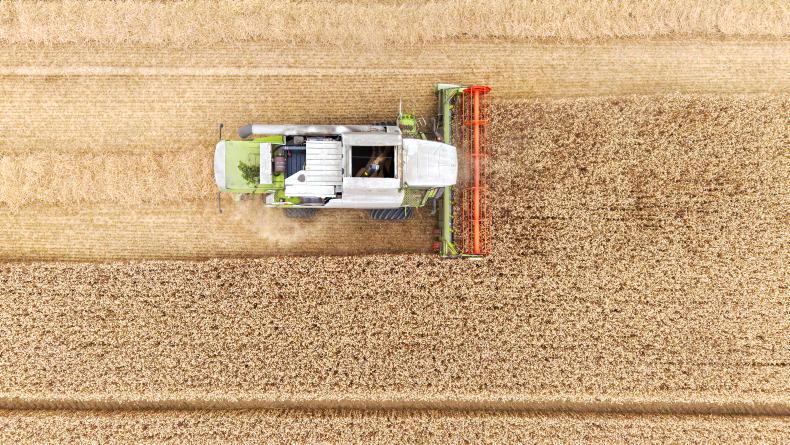
Harvest: Many have been busy harvesting over the past week until the rain came.
A large amount of winter wheat is now harvested and spring barley is well under way. Some counties have more harvested than others.
Sowing dates of course play into this, but there are some late-April sown spring barley crops have been harvested in some counties, but not ready in others. Oats are also underway.
Keep an eye on all crops for straw breakdown and make sure to prioritise crops that are starting to break down in showery weather. Oilseed rape and winter wheat continue in the northwest.
Straw: There looks to be good markets out there for straw at present. Some people are thinking of taking parcels out of the Straw Incorporation Measure. You can do this without any issues if you have found a customer for the straw or you now need it yourself.
All you need to do is contact the Department of Agriculture. You can contact sim@agriculture.gov.ie or telephone 057-867-4422. Just make sure that you have a buyer before you take any parcels out of the measure.
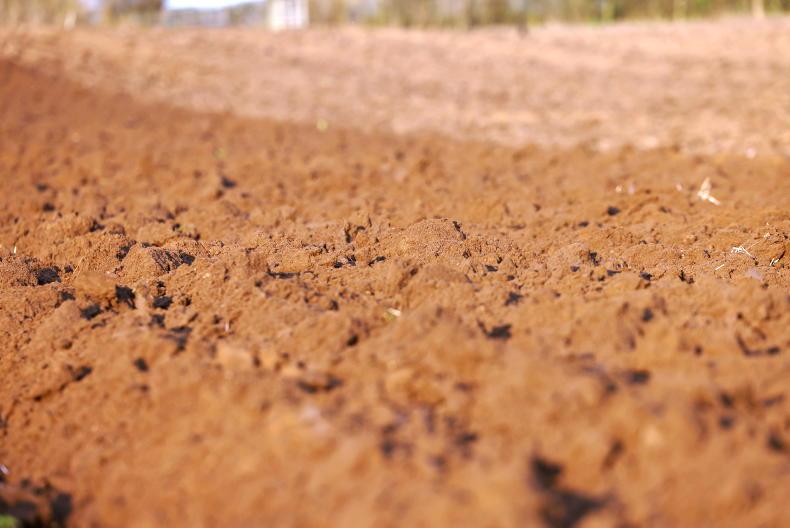
Cover crops: Rain has arrived in most parts and in varying amounts. After all of the dry weather and how the crops dried in, we are not in a hurry for rain that will interrupt the harvest and make straw hard to bale as well, although crops like potatoes need rain. In many cases, the ground is still extremely hard and will be hard to plant into. In other parts, more rain has fallen and land may be easier to sow.
The date has now passed for the catch crops planted ahead of winter crops under the Farming for Water Programme, but there is still plenty of time to plant over-winter catch crops.
You have until 1 September to plant over-winter cover crops and until 15 September to plant under the Agri-Climate Rural Environment Scheme (ACRES). The earlier you plant the better for growth, provided there is enough moisture for the crop to take off.
Livestock farmers may also be interested in forage crops as some have eaten into winter fodder reserves. Do not grow crops for livestock in the hope that someone will purchase it off you. You need a guarantee that they will buy it. A payment up front helps here.
You need to agree whether that catch crop will be grazed or harvested by a machine. Agree on ground conditions and when stock need to leave the field. Both parties also need to be realistic on yields.
The later crops are sown, the less they will produce so don’t oversell the crop and equally the livestock farmer should make conservative estimates on yield to ensure they’re fodder budget adds up.
Make sure fields are going to be fenced properly and agree whether or not bales can be fed in the field. They should not be left in one spot long enough to cause poaching. A crop like forage rye could be a good option for zero grazing. If you have not yet sold maize and beet that has been planted now might be a time to advertise it.


SHARING OPTIONS