



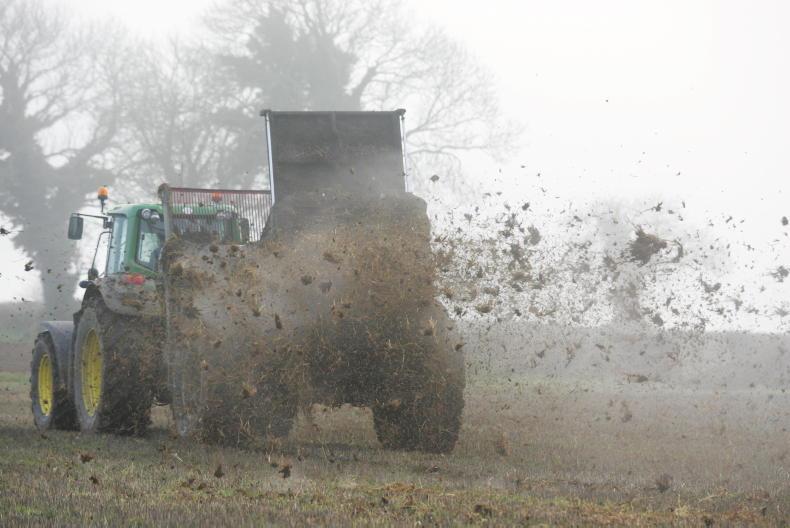
Weather: the weather hasn’t improved since last week and field conditions are much worse now. All soils were at field capacity or over it this week, so there won’t be field work done for a good while.
Many people have told me they don’t have herbicide on winter cereal crops. This should be a priority job for when land is trafficable. You should also remember some key dates in relation to metribuzin and flufenacet. Products containing metribuzin cannot be used from now on. The last date of use was 24 November 2025. Firebird Met, which is used on winter cereals is one of those products. Flufenacet is contained in Firebird and Firebird Met.
Firebird Met cannot be used at present. However, Firebird, which contains flufenacet, can be used until 10 December 2026. Firebird, and other generic products containing flufenacet like Navigate, cannot be sold after 31 May 2026.
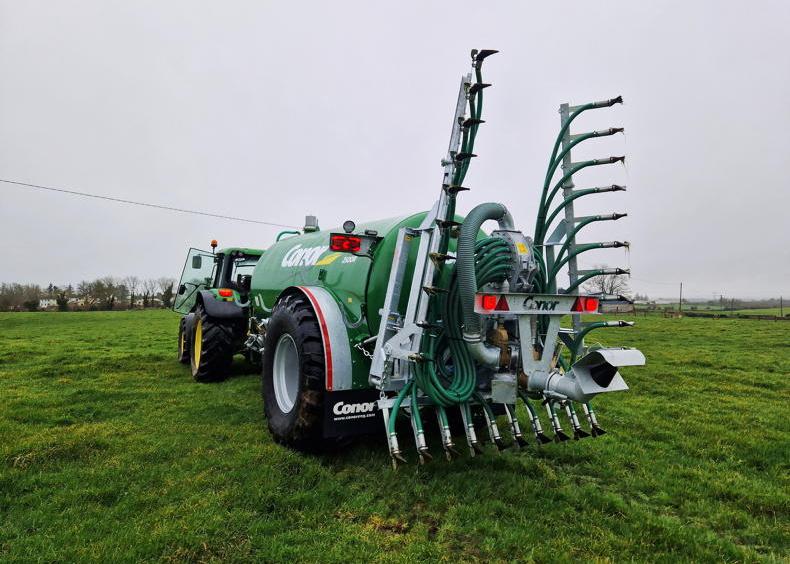
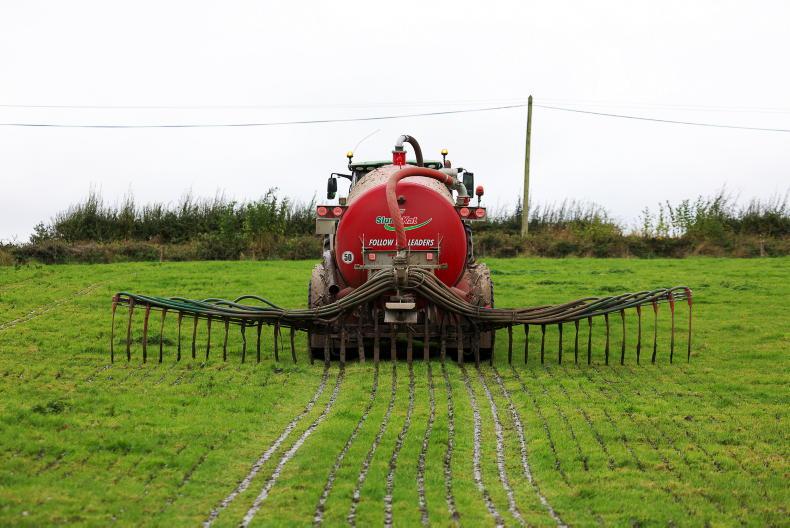
Slurry: some farmers will be closing off slurry transfers. Transfers now have to be reported by the exporter within four days of movement and need to be confirmed by the importer in July and January. At present, you can transfer between tanks. In the coming weeks, you might be doing up your nutrient management plan.
When you are doing this, you will know if you have room to import or not. If you are taking slurry from a livestock or pig or poultry farmer, then you have to be receiving that slurry. It cannot be a paper exercise. It might also be worth checking if the livestock, pig or poultry farmer that you take slurry or manure from is supporting Irish grain and straw.
If they aren’t, then it might be worth considering another supplier. If they are importing straw then you should not accept organic manures or slurry from them as the risk of weed infestation is too high.
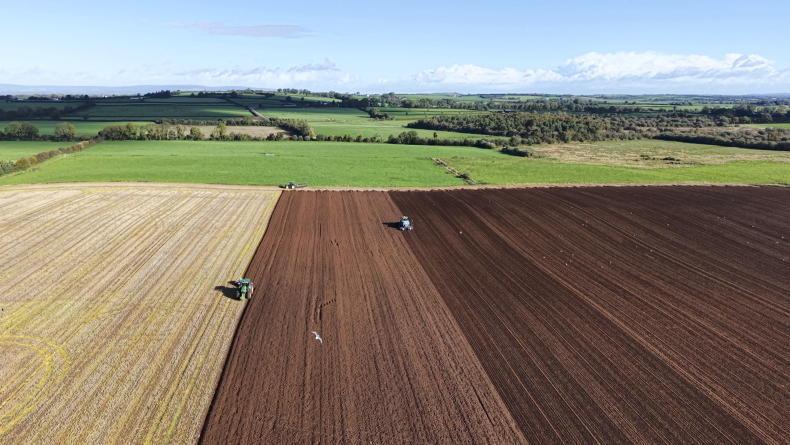
Sixth Nitrates Action Plan: the sixth Nitrates Action Plan was confirmed on Monday night. In the plan it was confirmed that stubble cultivation rules will no longer apply to tillage farmers from 1 January 2026. This means that you can now leave any amount of stubbles uncultivated after harvest.
Many farmers will still want to plant a cover crop or cultivate some stubbles and not others. The important thing now is that it is your choice and the work can be carried out in your own time. You do not need to cultivate stubbles in a certain amount of time and be under pressure.
One significant change in the plan for tillage farmers is that organic manures applied to arable land in the autumn time will have to be incorporated into the soil. This already applies to slurry. A crop will also have to be planted within 21 days of the application of organic manures.
Another change will not come into effect until 1 January 2028 to allow for storage to be organised. This change is that the application of nutrients to arable crops will be restricted in river catchments, where the greatest nutrient load reduction is required.
The post-harvest application of sewage sludge or biosolids derived from sewage sludge will be prohibited in the Barrow, Slaney and Wexford harbour Catchments. However, the application will be allowed if brassica or grass crops are being sown by 15 September.



SHARING OPTIONS