


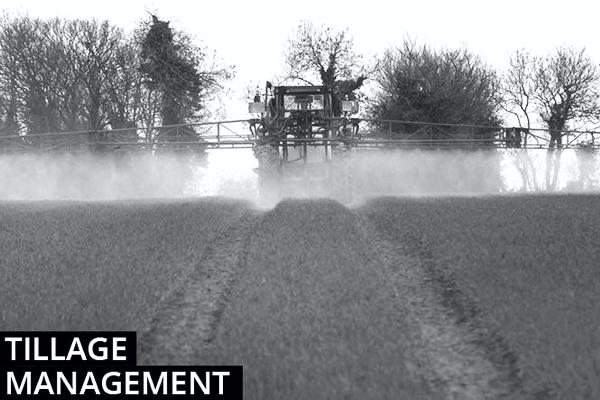
Growth at last: We could really do with a period of growth, settled weather and a significant drop in wind speed. Crops continue to push on and spring crops in particular appear to be suffering in the recent cold conditions. Emerging spring crops are suffering from a combination of cold and sometimes dryness and many barley leaves carry a purple tinge.
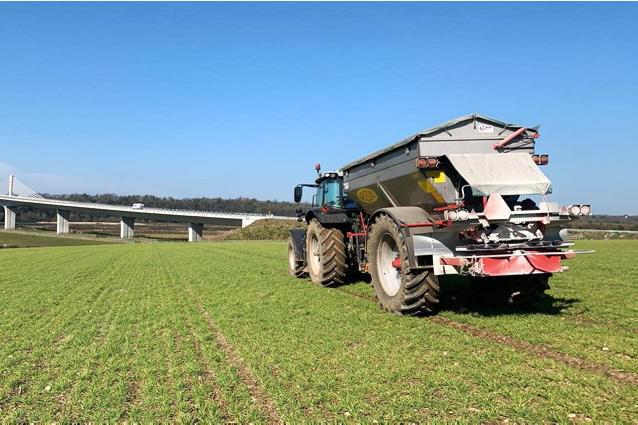
While temperatures look set to increase in the week ahead, wind could remain a problem for spraying and spreading. Rain forecast for this weekend could be useful to wash in fertiliser applied to spring crops.
Winter cereals: Main jobs will be T1 on winter wheat, growth regulator on oats and fungicide on winter barley. Some wheat crops have their third last leaf unfolded while others are only emerging -- try and have that third last leaf unfolded on the main stems when spraying. This ensures good fungicide cover on this important leaf, plus some cover on the emerging second last leaf.
T1 sprays must include a substantial rate of a triazole and it may be better to stay with one active (eg epoxiconazole or prothioconazole) and then use the other or a mixture in the T2 spray. A contact spray must also be included and it is difficult to not include an SDHI in this treatment.
Any of the SDHI mixtures or straights can be used but they need to be well protected with a robust triazole rate.
Many winter barley crops are now on their second spray of three, while others have only recently had their first spray. Target the final spray after the awns appear but timing is more about spray interval and keeping the crop clean than adhering to a specific growth stage. Awns could well be appearing on some crops within the week.
Final spray options might be Siltra, Bontima, Ceriax, or a mixture of Proline with either Treoris or strobilurins. Include chlorothalonil or folpet for ramularia.
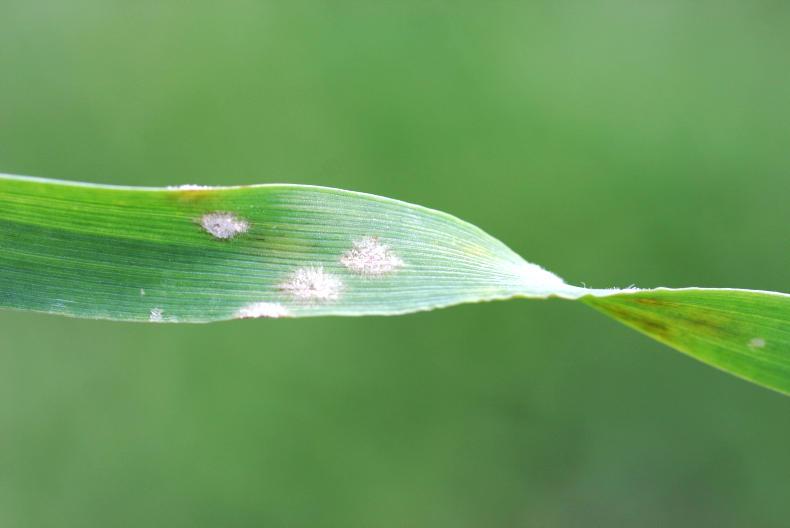
Winter oat crops are generally clean and second node it a good time for the first of two Ceraide applications for growth regulation. Where crops are clean apply a simple triazole or if mildew is present consider products like Capalo or Tocata.
Spring crops: Nitrogen remains the key action beyond the two-leaf stage. If you have a lot of seedling weeds and you are applying an early aphicide consider including Oxytril CM at a quarter to one-third rate to knock this weed flush. Some early-sown spring barley crops are now at the stage for herbicide/insecticide.
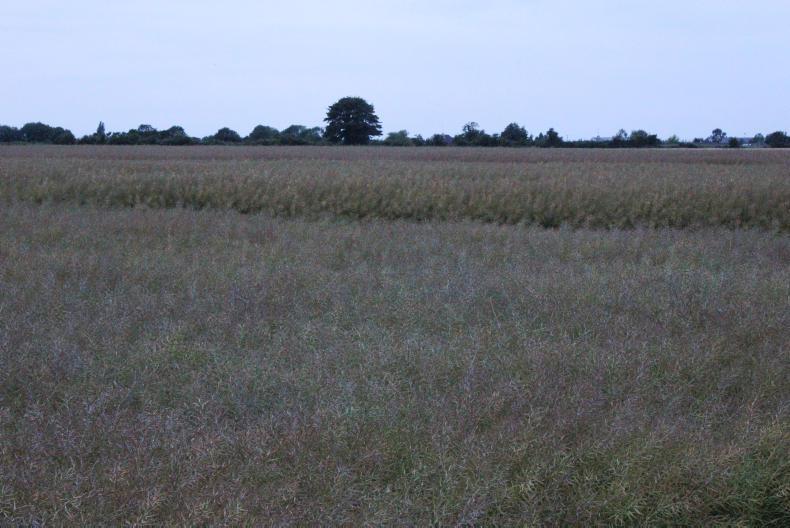
Pollen beetle: Beetles are appearing in rape crops and they could prove to be a problem because they are late flowering. Check on the numbers present and compare with thresholds. Insecticide options include Karate/Karis/Lambda/Markate 50/Sparviero, Biscaya or a range of products containing cypermethrin.



SHARING OPTIONS