


A false dawn: Just as a number of growers were thinking of getting back out on land last weekend another spill of rain played havoc in the south on Friday and in most other areas on Monday. Land had soaked quite well in many areas and a little planting had taken place along with an amount of nitrogen and fertilizer being spread.
The promise of dryer weather did not materialise and it is difficult to expect that the next week will be very dry either. But temperatures are due to drop and that is a help in itself.
Crops have begun to look very hungry as there has been almost continuous slow growth putting pressure on nutrient availability. Even wheat and oat crops have begun to look foxy and hungry as they continue to try to grow. While temperatures may be down, it is still important that crops have access to nutrients whenever they get a few hours of growth conditions. Hunger puts pressure on the plant to abort leaves, tillers or grain sites to help feed new growth.
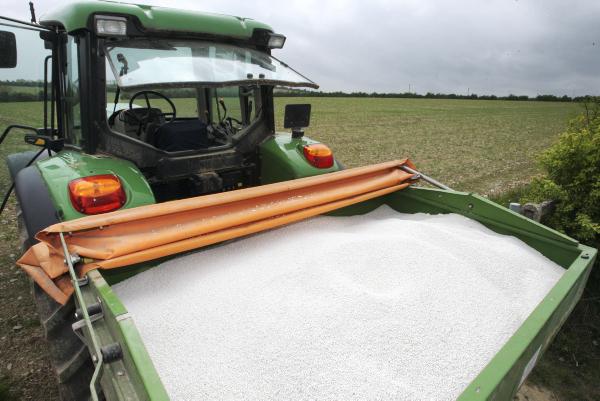
Fertiliser: With March upon us there is considerable need for nitrogen on winter barley and rape. Very few have managed to get out and the need is getting greater. Winter barley crops have become very discoloured for over a month in the south and more recently further north. Last week I had suggested even a small amount to keep the crop ticking over – now the urgency is even greater for the bigger amount and we must hope not to get big amounts of rain shortly after application.
With costs being so high against the poor prognosis for grain price, all inputs must be questioned. Same goes for P & K but if you are on low fertility ground yield potential is limited from the very start where these are low. Lime remains the primary fertiliser to help get the most from soil and applied nutrients. Attempting to grow barley on low pH fields must be seriously questioned.
Most winter crops have yet to receive their P and K and this will go on now, as compound in most instances. With big yields in recent years off-takes have been high. An 11 t/ha crop of winter barley is said to remove 42 kgP/ha and 108 kgK/ha. Continuing to remove nutrients without full replacement can drag down fertility so if you commit to growing the crop you need to commit to fertilise it. The challenge is to not plant poor fields or poor parts of fields which will not yield well.
For first N on barley you must now look towards 50-60 kgN/ha unless you have organics beneath. This might drop to 20-30kg for wheat and oats but could be as high as 140 kgN/ha on grazed rape.
Grazed rape: Some rape crops have been heavily grazed in recent months with only the petioles of the leaves remaining. These will recover with adequate nitrogen but further grazing must be prevented in the regrowth to protect the flower buds.


SHARING OPTIONS