



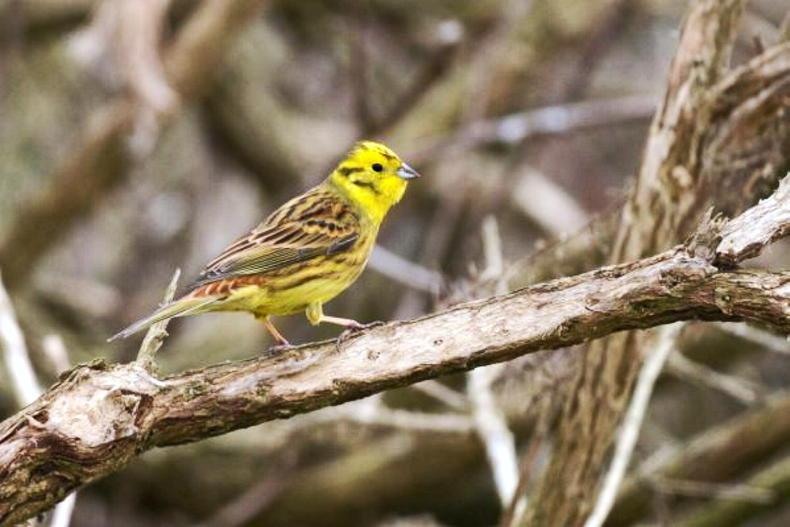
Farmers along Ireland’s south coast are being invited to take an active role in a new four-year project that aims to improve farmland habitats while delivering practical benefits for their farms.
The project will be of benefit to both farmers and the environment and will develop measures that restore habitats in ways that make sense for farm businesses. Supporting biodiversity and running a successful farm should go hand in hand.
The project is a European Innovation Partnership (EIP) initiative, which is co-funded by the European Commission and the Irish Government under the CAP. Known as the Arable Coast Environment (ACE) EIP project it is coordinated by the South and East Coast Area Development (SECAD) Partnership, based in Cork.
The ACE project brings together farmers, landowners, local communities, scientists, industry, and educators to trial innovative solutions that improve biodiversity in ways that also support farm productivity and value.
What counties are included in the project?
Stretching from Kinsale, Co Cork, across Waterford and to the Wexford Wildfowl Reserve, north of Wexford town, and up to three miles inland, the ACE project focuses on actions and measures that support birds such as the Yellowhammer, Skylark, Hen Harrier, Kestrel, and Chough – species that have sharply declined in recent decades.

Farmers at the heart of innovation
ACE EIP is designed around farmer participation. Farmers are invited to help develop and trial practical solutions that improve biodiversity while also supporting their farm enterprise.
Through collaboration with scientists, industry experts and educators, participating farmers will:
We intend that this project will be of benefit to both farmers and the environment.
We want to develop measures that restore habitats in ways that make sense for farm businesses. Supporting biodiversity and running a successful farm should go hand in hand.
Piloting solutions for lasting impact
SECAD Partnership CEO Ryan Howard said, “We have developed the ACE EIP in partnership with key stakeholders in farming, ecology, industry, state services, education, and local development, as we know partnership and collaboration will be central to addressing this challenge.”
While the project is still in the design stage, the first steps on the ground involve conducting bird surveys on farms in the project area to assess farmland bird numbers and habitats, and speaking with farmers to gauge their interest in participating.
These initial surveys are critical for establishing a baseline for the ACE EIP, from which a more detailed action plan can be finalised with participating landowners and stakeholders. Over the coming weeks, the ACE EIP team will be contacting tillage farmers in these areas to request access to their land for these surveys.
It should be noted these surveys are not inspections and are purely to gauge numbers of birds and the types of birds in the area and the habitats available to them. If you wish then you can take part in the project afterwards, but there is no requirement to do so.
Farmers interested in finding out more about the ACE EIP project can contact SECAD Partnership at: ace-eip@secad.ie.
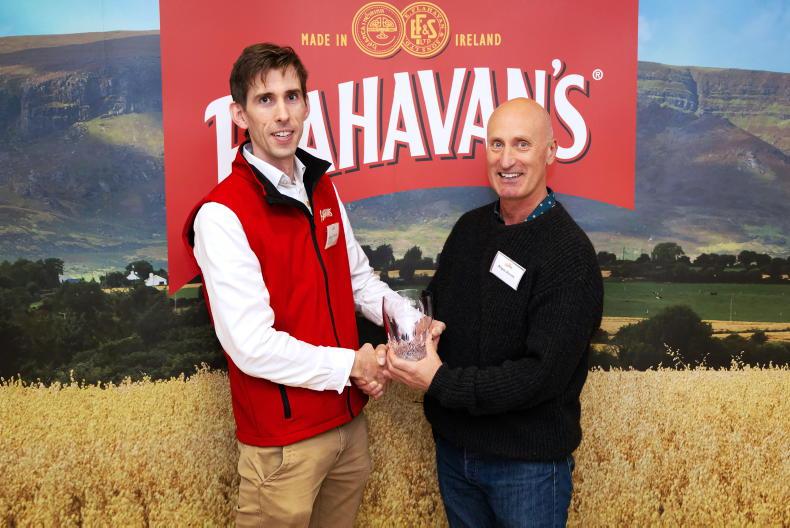
Paul Moore is a tillage farmer in east Cork and the ACE EIP Project Ambassador.



SHARING OPTIONS