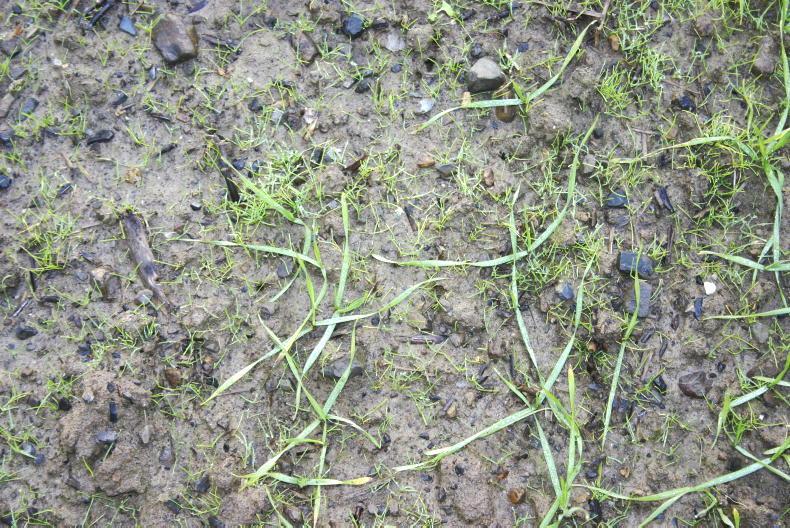
Teagasc adviser Shay Phelan warned tillage farmers at the National Crops Forum that they are running out of options for weed control, and grass weed control in particular, on farms and need to protect products.
He noted that Metribuzin and Flufenacet take up 20% of the current options for weed control in winter barley. Those two products are exiting the market this year and next year respectively.
He said we don’t have many options for annual meadow grass control and will have fewer in the years to come.
The important thing to remember is herbicide resistance can be confined to a farm so you can try and prevent your own weed population from developing resistance.
Reduced rates and poor control can all lead to herbicide resistance build up. Shay stressed the need to apply a pre-emergence herbicide for better control and encouraged growers to use herbicide mixes. He said work by Vijaya Bhaskar at Teagasc Oak Park showed a significant difference between the level of control you can get between pre-emergence and tillering.
The tillage specialist said good weed control will likely mean applying two herbicides in the future – one in autumn and one in spring. He warned that leaving control until spring time and using a “one-can-solution” is an ideal scenario to build up herbicide resistance.
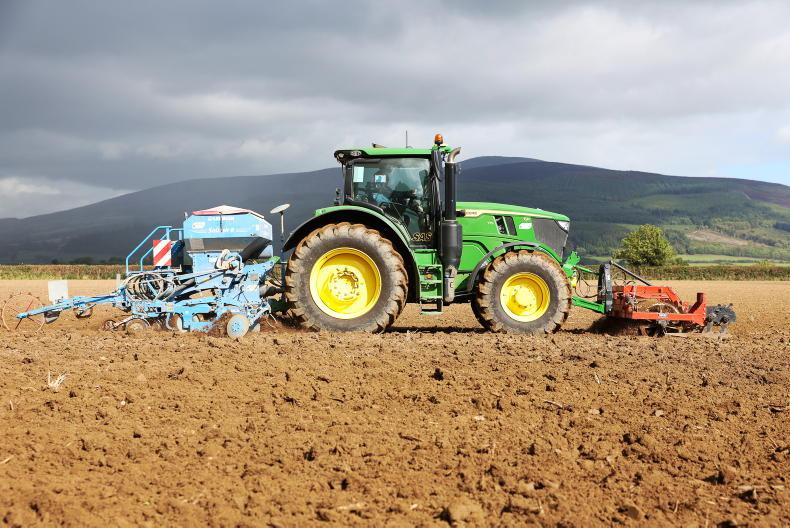
However, it should be noted that it is extremely difficult in some years to apply a pre-emergence herbicide or even an early post-emergence herbicide as weather can prevent this from taking place.
Research and samples
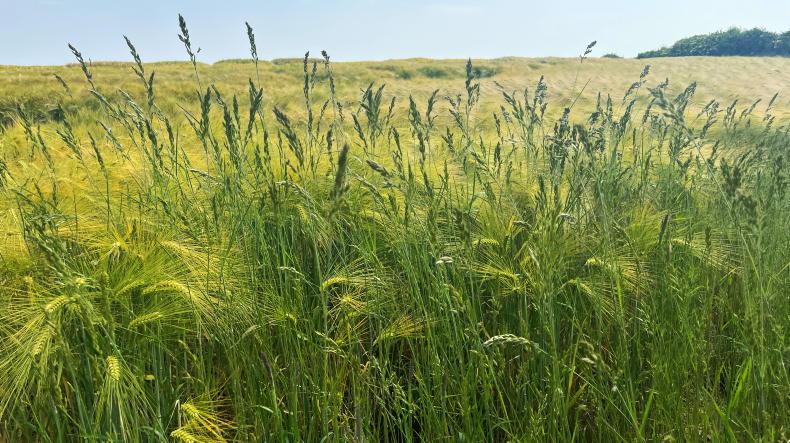
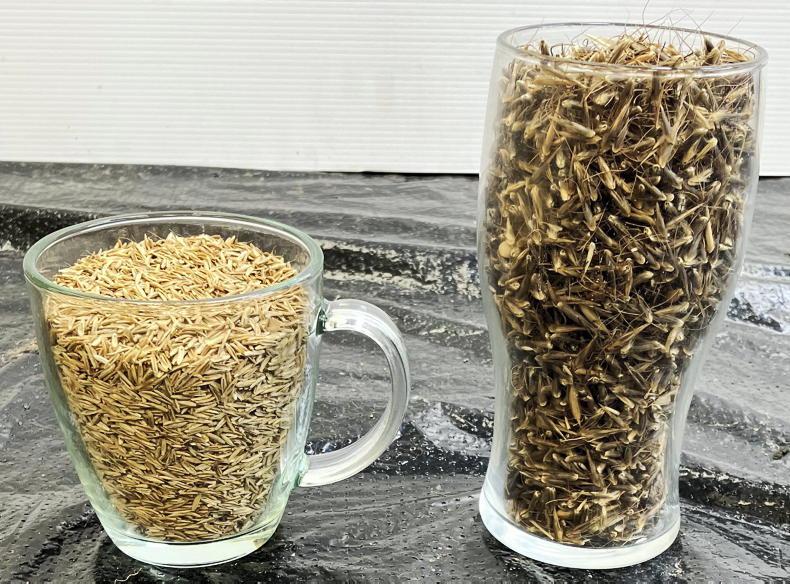
Vijaya Bhaskar of Teagasc Oak Park who encourages growers to send him grass weed seeds suspected of being resistant to herbicides, ie weeds that are not controlled by herbicides, said that the amount of samples he is receiving has increased massively. He added that soft brome, Italian ryegrass and meadow grasses have seen significant increases and he has received samples of Barnyard grass which is becoming more prevalent in this country.
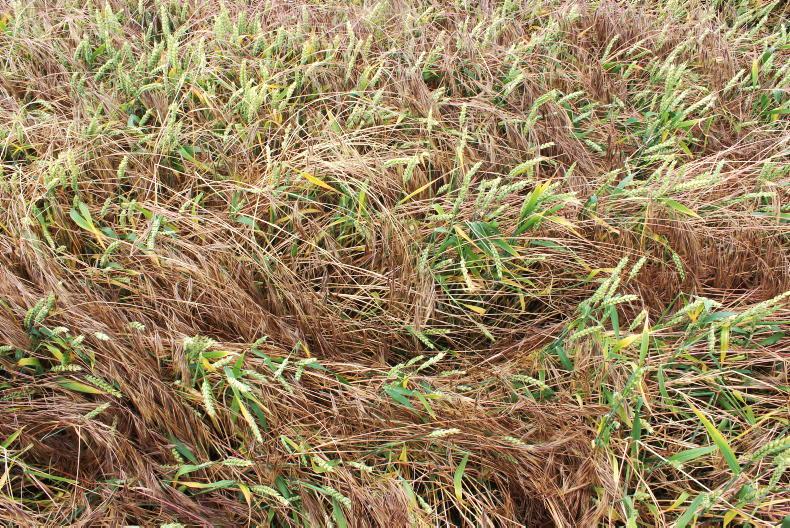
Vijaya said “drastic action is necessary” in fields with grass weeds, as if left uncontrolled the problem can become out of hand and render fields unviable to grow crops. He stressed that grass weeds cannot be controlled by spraying alone, many different tools are needed from rotations and ploughing to rogueing and spraying.
He also commented that if you have resistant weeds on your farm then you need to prevent seed return. For example, whole cropping, pulling wild oats or blackgrass, spraying off or topping sections of fields that are infested or creating stale seedbeds before crops go to seed can prevent seed return. This will help to get the problem under control. If seed continues to return the problem will only get worse.