




On last week’s Agriculture and Horticultural Development Board (AHDB) spring grain outlook conference, weather in the southern hemisphere was a big topic of conversation.
In recent months, we have heard a lot about the drought in Argentina. This drought has dramatically affected the soya bean crop in that country.
This crop is now estimated at about 22.5 million tonnes, down from just under 39 million tonnes last year.
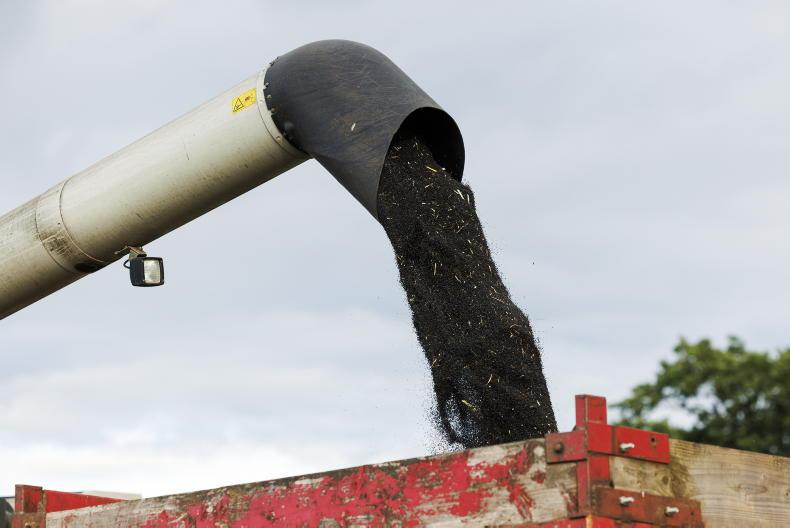
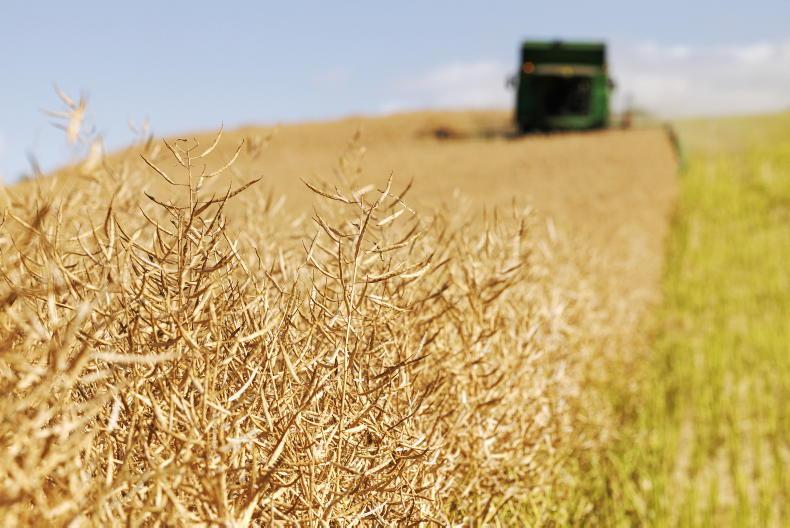
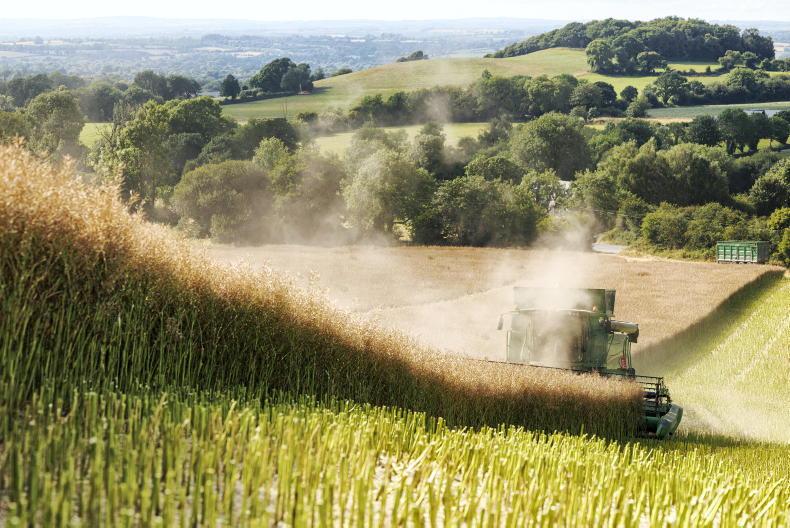
Another crop we have heard about is the canola crop in Australia. The crop hit a record 8.3 million tonnes this season.
Different story
There is a very different story for the two countries on either side of the world and this was due to a La Niña weather event. La Niña brings dry weather to South America and wetter weather to Australia.
The opposite to La Niña is El Niño and, at present, weather forecasters are forecasting a transition from La Niña to El Niño.
The El Niño-La Niña southern oscillation is to do with temperature changes in the Pacific Ocean.
During El Niño, sea-surface temperatures are warmer than average and during La Niña, sea-surface temperatures are cooler than average.
How does this affect grain price?
If El Niño occurs, then it would most likely bring more rain to South America and see a return to higher soya bean crop yields.
El Niño would bring drier weather to Australia and most likely see the canola crop yield reduce from the record this season.
Anthony Speight of the AHDB has said that Australia is already forecasting a reduction in canola production, down from 8.3 million tonnes in 2022/2023 to 5.4 million tonnes in 2023/2024.
He explained that while some of this may be factored into the market already, if further reductions occur it could see rapeseed gain a premium.
He added that South American crops should benefit from this weather event.
“El Niño will bring favourable rains to South America and with trend yields and area of soya beans consistently increasing, this will mean a larger output,” Anthony wrote last week.
If this occurs, it would add supply to the market and prices could be hit as a result.



SHARING OPTIONS