Clipping cattle can help to reduce lice burdens during the winter housing period.
ADVERTISEMENT
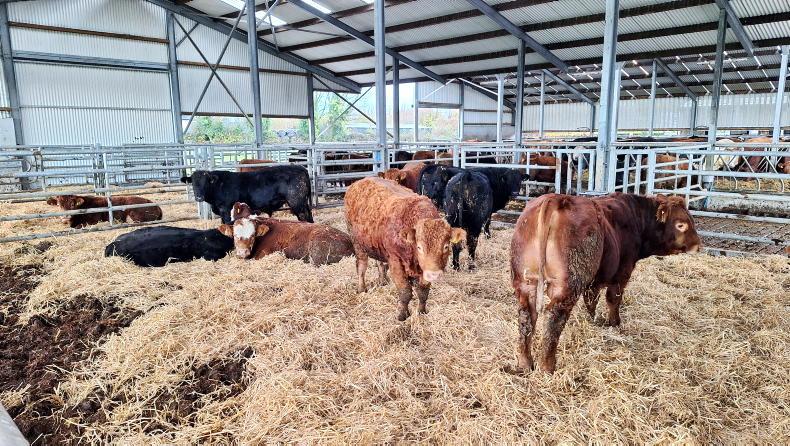
Pay attention for signs of lice bothering cattle following housing. With animals stocked in close proximity, external parasites like lice can quickly spread through the shed.
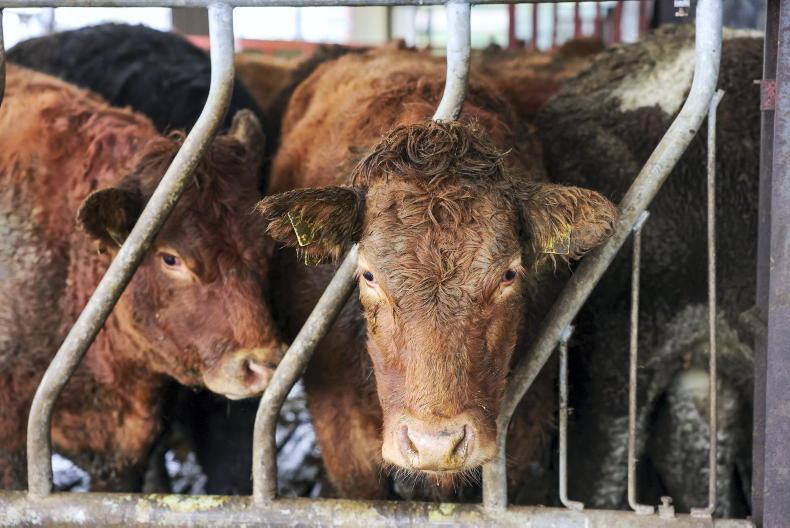
The tell-tale signs of a lice burden are cattle scratching on gates or water troughs, as well as animals standing licking at their coat. Severe burdens will lead to hair loss from scratching.
Do not underestimate the loss in liveweight gain that comes from a lice problem. With animals settled in the shed, there is no excuse for delaying treatment.
ADVERTISEMENT
Treat all cattle in the shed on the same day. There is no point doing some now and leaving the rest to another day just because you are limited on time.
A follow up treatment may well be needed later in winter, as it is possible that cattle will get another infestation as larvae eggs hatch again.
Damp, dirty, matted hair on cattle gives lice perfect cover to multiply. Therefore, clipping cattle along the back, neck, head and tail can reduce the burden of lice, as there is less cover for them. Make sure the product used to treat cattle will treat both biting and sucking lice. Some flukicides will also target lice. When treating finishing cattle, pay attention to withdrawal dates.
This content is available to digital subscribers and loyalty code users only. Sign in to your account, use the code or subscribe to get unlimited access.
The reader loyalty code gives you full access to the site from when you enter it until the following Wednesday at 9pm. Find your unique code on the back page of Irish Country Living every week.
CODE ACCEPTED
You have full access to the site until next Wednesday at 9pm.
CODE NOT VALID
Please try again or contact support.
Pay attention for signs of lice bothering cattle following housing. With animals stocked in close proximity, external parasites like lice can quickly spread through the shed.
The tell-tale signs of a lice burden are cattle scratching on gates or water troughs, as well as animals standing licking at their coat. Severe burdens will lead to hair loss from scratching.
Do not underestimate the loss in liveweight gain that comes from a lice problem. With animals settled in the shed, there is no excuse for delaying treatment.
Treat all cattle in the shed on the same day. There is no point doing some now and leaving the rest to another day just because you are limited on time.
A follow up treatment may well be needed later in winter, as it is possible that cattle will get another infestation as larvae eggs hatch again.
Damp, dirty, matted hair on cattle gives lice perfect cover to multiply. Therefore, clipping cattle along the back, neck, head and tail can reduce the burden of lice, as there is less cover for them. Make sure the product used to treat cattle will treat both biting and sucking lice. Some flukicides will also target lice. When treating finishing cattle, pay attention to withdrawal dates.
If you would like to speak to a member of our team, please call us on 01-4199525.
Link sent to your email address
We have sent an email to your address. Please click on the link in this email to reset your password. If you can't find it in your inbox, please check your spam folder. If you can't find the email, please call us on 01-4199525.
ENTER YOUR LOYALTY CODE:
The reader loyalty code gives you full access to the site from when you enter it until the following Wednesday at 9pm. Find your unique code on the back page of Irish Country Living every week.






SHARING OPTIONS