



A wise farmer said to me recently that if you averaged out all the rain that fell until June over the year we would still have too much rain.
He has a point but it’s hard to fathom that we ever complained about rain given the drought conditions of the last while.
The drought has caused issues from all angles, but one interesting case raised its head recently.
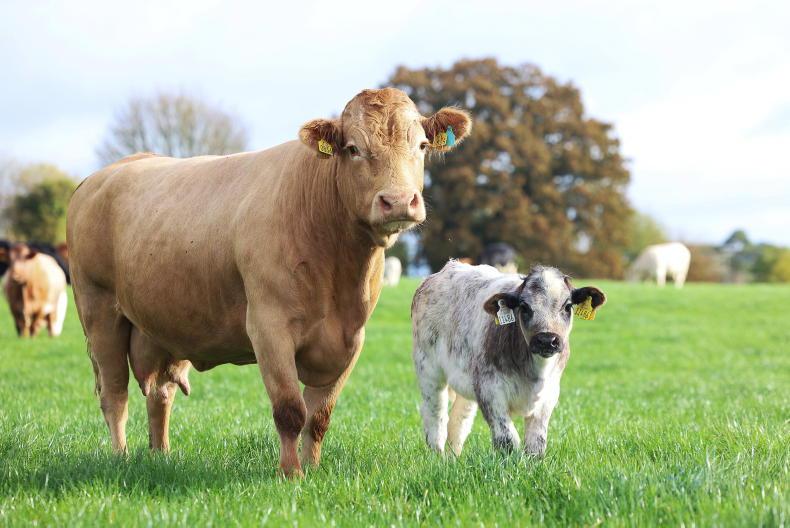
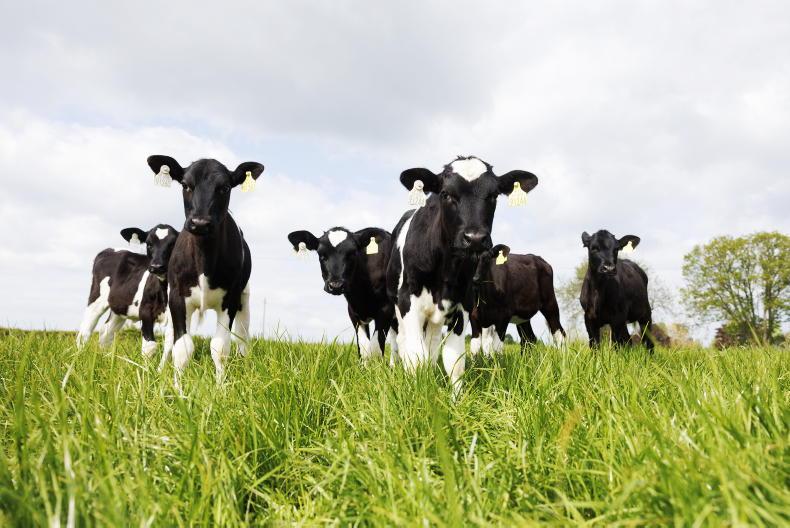
A farmer called me out in a bit of a panic to examine a batch of calves, one had died and two were in poor shape.
On examination, the calves were dull, pale, had bloody scour and a high temperature.
When I went to administer fluids intravenously to the calves, the blood was very watery and would not clot when I removed the catheter.
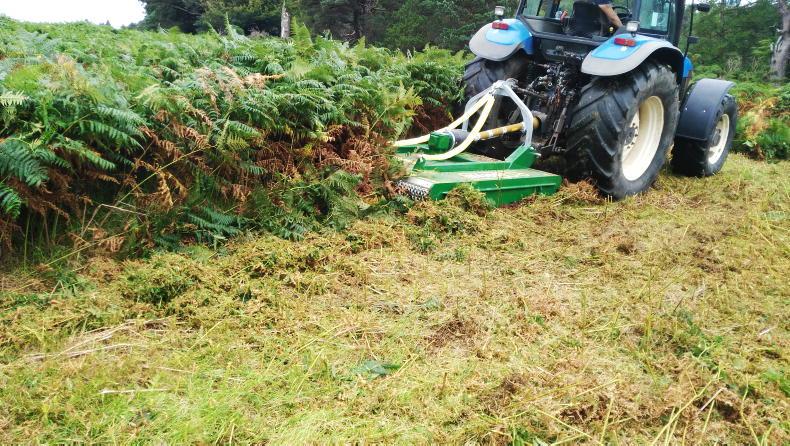
All these signs indicated there was something causing bleeding in the calves and on further investigation and conversation with the farmer, bracken fern poisoning seemed the most likely cause.
Acute
Bracken poisoning can present as an acute issue when large quantities are ingested in a short space of time with this syndrome appearing like the calves I saw.
Bracken affects the bone marrow and essentially causes the blood to be unable to clot resulting in the signs mentioned. It can also cause an issue if small amounts are ingested over time where it causes cancerous changes in the bladder resulting in blood in the urine, anaemia and failure to thrive.
This is more common in older cattle.
Unfortunately, there is no treatment and for calves presenting like the ones I saw, death is the likely outcome.
Calves normally wouldn’t eat bracken but given the drought conditions and their naturally inquisitive nature, they may be more likely to browse in ditches.
In this case, prevention is truly the only cure, keep an eye out for bracken on farm and consult your vet for further advice.
Paul Ryan, MVB XLVets Waterside Vets, Limerick



SHARING OPTIONS