



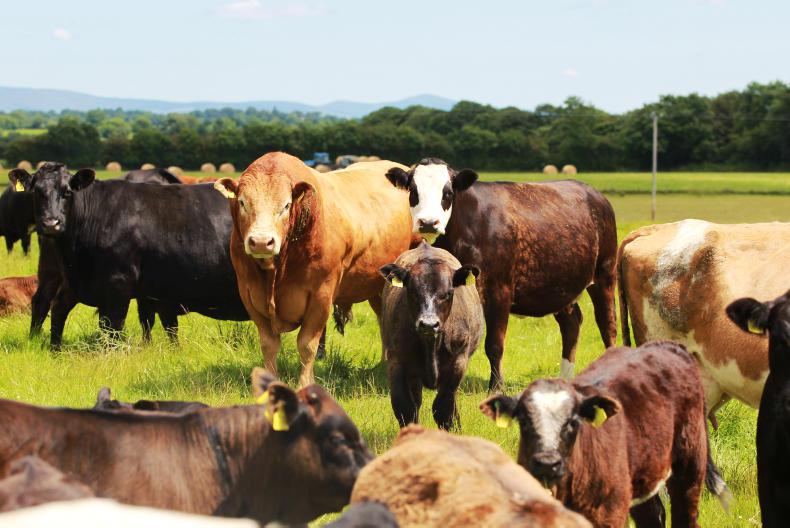
One of the big animal health talking points this autumn has been on the IBR testing inclusion into the new National Beef Welfare Scheme, which is the replacement scheme for last year’s BEEP-S scheme. There has been a huge reaction to the IBR testing with many farmers disagreeing with the fact that it should be included in the programme. There are two sides to the argument. I can see why farmers are frustrated with the design.
Testing for IBR won’t do a lot for their herds unless they act upon it. Some people have argued that there should have been financial support for a national vaccination programme but with an estimated 30% of herds free from IBR, this may not have been the best way to spend the funding for the programme.
There isn’t any monetary gain for farmers to IBR test and that’s what many are frustrated about.
On the other hand, I have had calls from farmers who have had IBR in their herds and they now see the importance of testing and vaccination. The bigger picture that many people aren’t talking about is the fact that there is a real threat to live exports to Europe coming down the tracks if we don’t get our house in order in relation to IBR. If this is the first step on the road to safeguarding our live export trade, then we should take it.
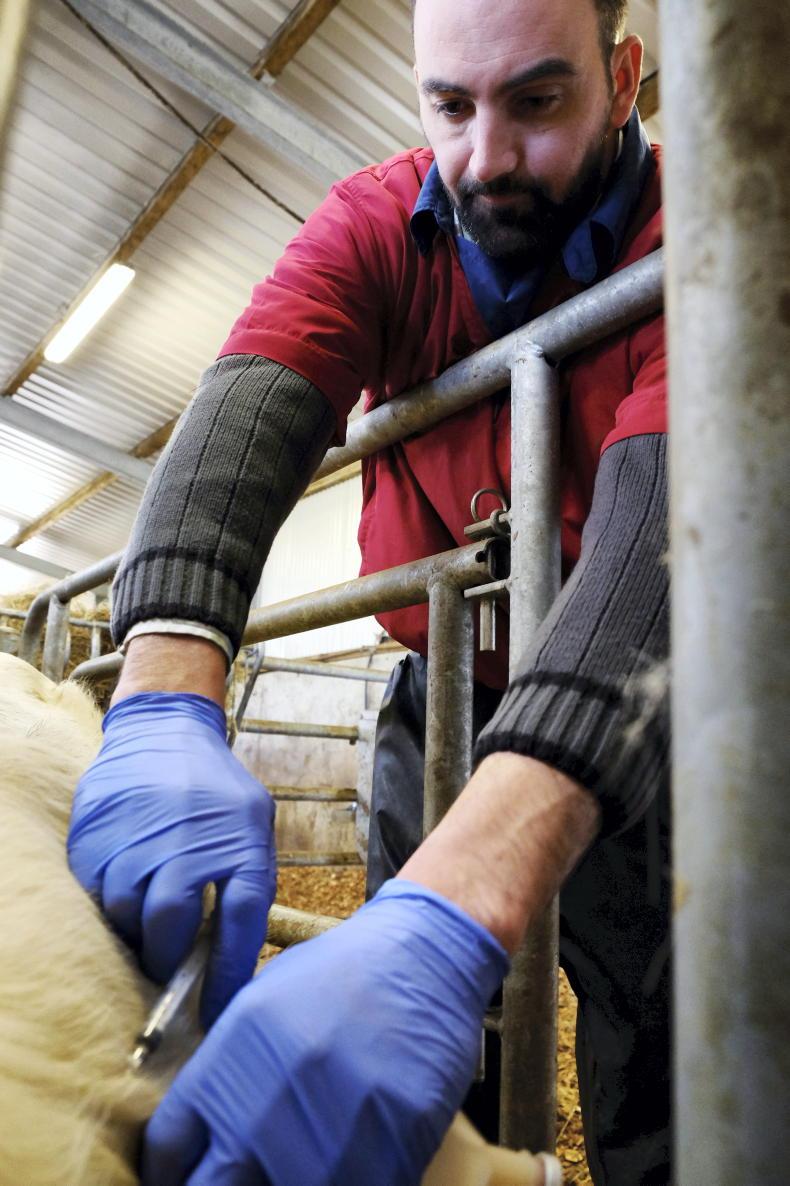
Kieran Mailey takes a look at some top tips for autumn-calving farms.
Tough weather conditions have meant a lot of sucklers, especially autumn-calving cows, have been housed in the last few weeks but speaking to farmers on the ground calving has been going well on farms.
Our Animal Health Ireland article in this week’s Focus concentrates on pneumonia at weaning and housing and how to avoid it and prevent weanlings getting sick.
One of the key messages I took from this article is the fact that a lot of pneumonia issues can be avoided through management practices and having a plan in place in advance of housing and weaning.



SHARING OPTIONS