While Irish farmers face many challenges, one of the less reported good news stories is that the product they produce has built a positive image with consumers.
It wasn’t always this way. For many years dairy products were considered a heart health risk and the reputation of beef was damaged by its link to BSE in cattle. However, BSE has been almost completely eliminated from the cattle herd, with only occasional sporadic cases being found. Dairy too has benefited from wider recognition of its contribution to a balanced diet, and, in general, all meat and dairy proteins are benefiting from consumer pushback on ultra-processed foods.
Alternative products
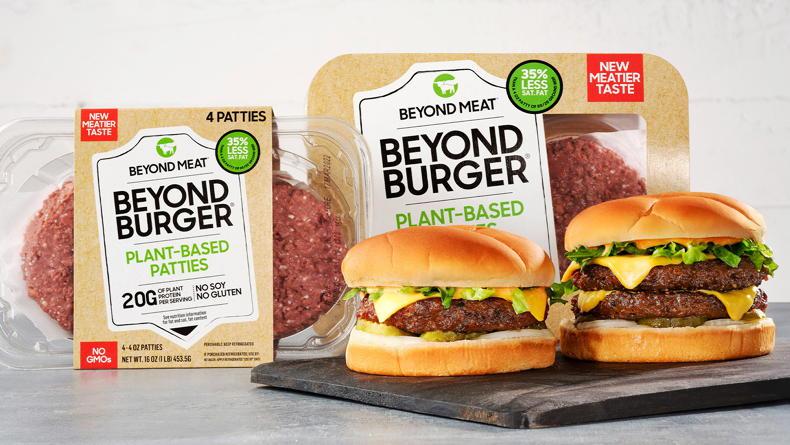
At the beginning of this decade, there was a surge in products designed to replace traditional meat and dairy options. Among these was Beyond Meat, which has been in existence since 2009, and as the name suggests, its speciality was producing products that were designed to look and taste like meat but with no actual meat used in their manufacture. The concept captured the mood of the investment community and its share value surged to $234 (€202) in July 2019.
However, that was as good as it got and consistent failure to deliver and ongoing declining sales mean that the share value has slumped to just $0.42 (€0.36). Earlier this year, founder CEO Ethan Jones was reported to have said that “it’s just not the moment for plant-based meat right now”. This was reflected by McDonald’s announcement also at the start of this year that it was removing all its meat substitute products and leaving just the McPlant burger on their menu.
Ultra-processed not in vogue
They Beyond Meat example confirms that there isn’t mass consumer demand for meat substitute products and the same applies in dairy. There remains a small market for alternatives to meat and dairy but these have been niche and will remain so for the foreseeable future. Part of their problem in gaining traction with consumers is that in an attempt to replicate the taste of meat and dairy products, a high level of processing is required. In an era where consumers are pushing back on ultra processed, ultra-processed meat and dairy alternatives are in the wrong market at the wrong time.
No room for complacency
All of this is good news for meat and dairy farmers and processors. Consumers want to buy the products and recognise that a steak or a glass of milk is just what you see in front of you. There is and will continue to be an issue with price as farmers know well that production costs have been on an upward trajectory over a prolonged period. Higher retail and restaurant prices have caused some pushback, but overall it has been much less than might have been expected.
However, the battle for consumer loyalty never ends and the meat and dairy industry must keep working to retain the ultimate purchasers of the produce that leaves our farms.