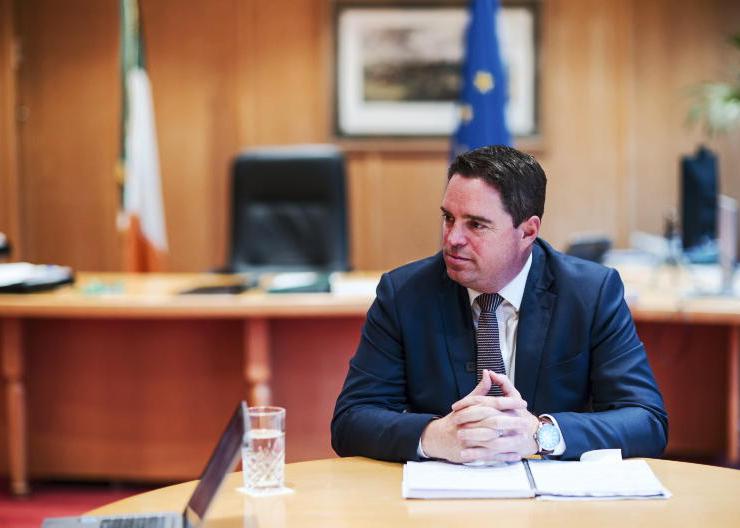
European Commissioner with Responsibility for Trade Maroš Šefcovic is in Dublin this week for a series of engagements.
These include meetings with the Taoiseach, Tánaiste, Finance Minister and the Oireachtas agriculture and trade committees among others.
There are no prizes for guessing that Ireland’s position on ratification of the EU trade deal with the Mercosur countries of Argentina, Brazil, Paraguay and Uruguay will feature highly in these meetings.
Story so far
Discussions on an EU-Mercosur trade deal began in the last century and agreement was reached in June 2019.
When it became clear that there was widespread opposition in member states, particularly in relation to environmental controls, an additional chapter was agreed in December last year. The ratification process formally began with the European Commission adopting the deal on 3 September.
It is now over to the heads of state in the European Council for a decision and assuming a qualified majority is secured there, it will then go to the European Parliament where the final decision will be made by simple majority. This is taking longer than was expected earlier this year, but the Danish presidency of the European Council is anxious to move the ratification process on.
Opposition to the deal
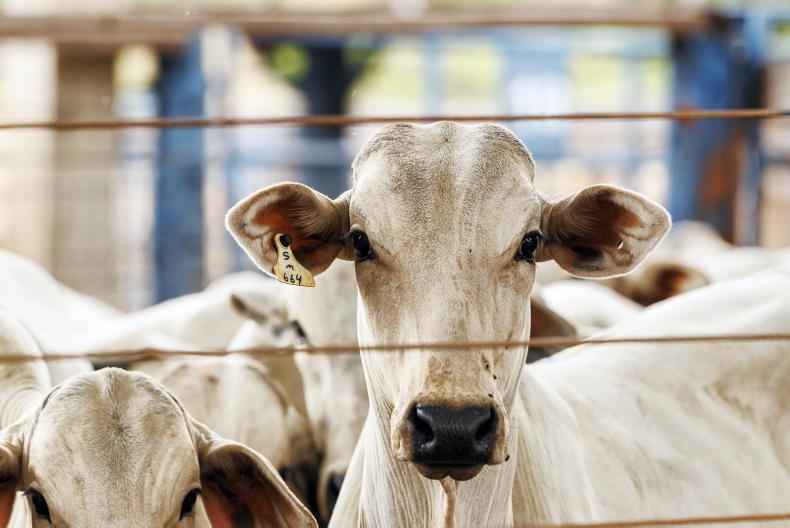
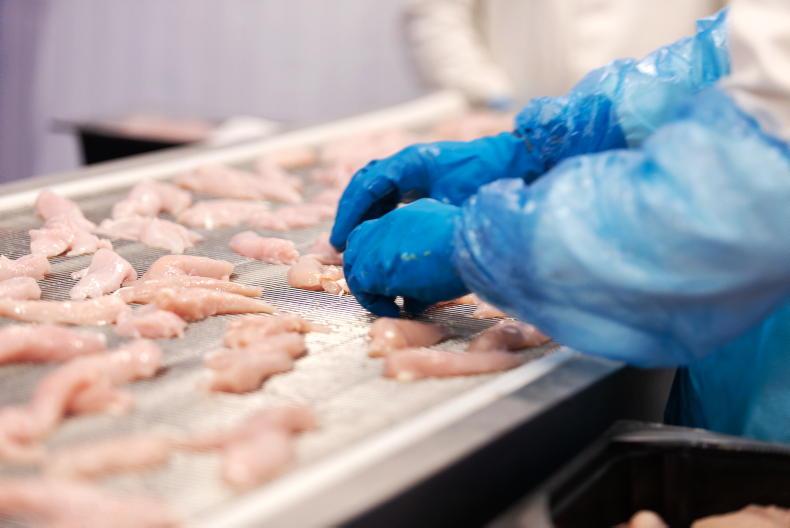
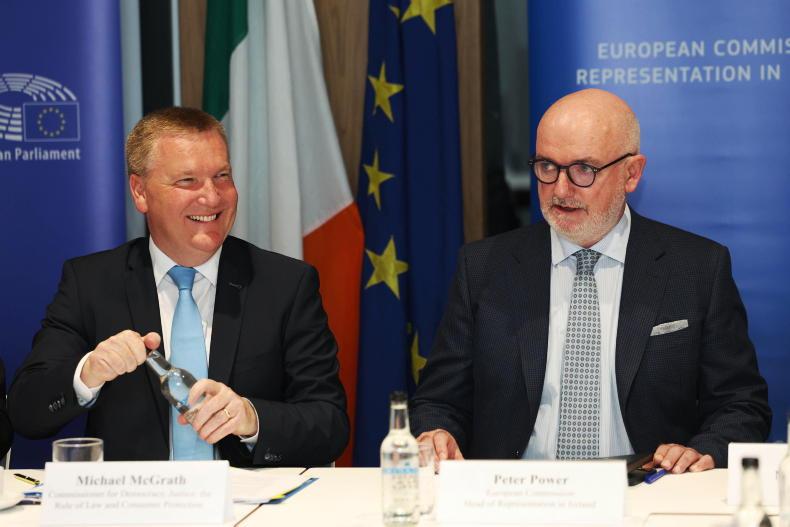
There have been serious misgivings about the deal, particularly in Ireland, Italy, France and Poland. These are centred around the 99,000-tonne beef and 180,000-tonne poultry meat quotas agreed by the EU for the Mercosur countries. Huge efforts are being made to calm the fears in these countries about the impact of the deal. When the Irish Farmers Journal spoke to Peter Power, the head of the European Commission representation in Ireland this week, he placed great emphasis on the additional safeguards contained in a parallel legal regulation that will accompany the agreement.
Safeguards
Power was referring to the legal act that gives operational effect to the safeguards that are included in the Mercosur deal. These identify in particular:
Enhanced monitoring.Full transparency including reporting to European Parliament and Council twice a year.Swift provisional measures in no more than 21 days after the identification of a sufficient risk in urgent cases.Launch of investigations when imports increase by at least 10% and import prices are at least 10% lower than domestic prices.Power is of the view that “there are precise triggers in the safeguard that actually amount to a very substantial measure” and “have gone much further than I think anybody could have reasonably expected”.
Frustration building
From talking to Power, it is apparent that there is frustration in Brussels at getting this deal approved. He said that “the Danes have identified Mercosur as a priority [for their presidency of the EU Council]and there’s, a lot of weariness around the table that this has taken so long”.
When he was asked if the countries with misgivings about Mercosur were being “leant on”, he wouldn’t accept these words but did say that “the prize is huge and other member states are just saying, you know, this is our biggest trade agreement ever. Why can’t we get it over the line?”
Since these safeguard details were revealed in the legal act, it is clear that opposition in France, Italy and Poland has cooled somewhat. This was alluded to by Minister for Agriculture Martin Heydon when he spoke to the Irish Farmers Journal at the time the French government fell last month.
Power explained it diplomatically. “From my reading of the tea leaves, the safeguard assurances that were announced recently have gone a long way to satisfy most member states.”
Other deals
The Irish Farmers Journal put it to Power that it isn’t just the Mercosur deal alone that is causing anxiety to Irish beef producers and the wider processing industry. Since the deal was originally signed off in 2019, the UK has granted huge tariff-free access to Australia and New Zealand for beef and sheepmeat.
The EU deal with Canada has had limited impact because Canadian farmers don’t value the EU market enough to give up the use of hormones which minimises the impact of that deal.
Also, a deal has been agreed with New Zealand by the EU giving a beef quota in addition to a bigger sheepmeat quota and Australia have expectations for a significant beef quota in their stop-start trade negotiation with the EU.
Power robustly rejected any suggestion that the EU was a soft touch in trade negotiations.
“The idea was created that we’re a pushover but nothing could be further from the truth,” he said.
“We have superb trade diplomats, we have superb, negotiators and we know, the political challenge of trying to get these deals approved. There’s just no way we’re going to negotiate or agree to something that we know wont get approved.”
Comment: pressure is building
Peter Power is the most senior permanent representative of the EU Commission in Ireland and in speaking to the Irish Farmers Journal this week was preparing the ground ahead of the commissioner’s visit this week.
There is general acceptance that beef loses out in the Mercosur trade deal, no matter what assurances are given.
There is also some comfort in the explanation of the safeguard clauses, especially the commitment for “launch of investigations when imports increase by at least 10% and import prices are at least 10% lower than domestic prices”. Of course what will be important here is not the “launch of the investigation” but what specific action will be taken in response to a “10% increase in imports with prices 10% lower”.
The other reality is, as Power explained, “any trade agreement involves give and take; you give market access in order to get market access”.
In the Mercosur deal, the EU has to give beef access to get access for a wide range of EU and indeed Irish exports to their market. Beef producers are effectively being required to take one for the team and hope that the safeguards will prevent their worst fears.
Other trade-offs
There is also a further pressure point. Given the current volatile US trade policy, both the EU and Mercosur are anxious to get the deal done. It would be the world’s largest-ever trade deal and one which works on many levels – adding further pressure to ratify the deal.
The Irish Government also has the problem with how it uses its negotiating capital with fellow member states that are in favour of Mercosur. We need their support to secure an extension of the nitrates derogation and the CAP negotiations.
While officially each issue stands alone on its merits, it would be no surprise if there was some cross-referencing, quietly, in the Brussels corridors of power.
This means that pressure will build on Ireland to accept the trade deal. Access for Mercosur beef and poultry meat to the EU market is the price that has to be paid.
In short:
Trade commissioner in Dublin this week.Mercosur approval will be on agenda.Beef safeguards explained in legal act to accompany the deal.Approval process underway.Qualified majority required at member state level.Simple majority required in European Parliament.Deal could be operational by late 2026 if approved.
European Commissioner with Responsibility for Trade Maroš Šefcovic is in Dublin this week for a series of engagements.
These include meetings with the Taoiseach, Tánaiste, Finance Minister and the Oireachtas agriculture and trade committees among others.
There are no prizes for guessing that Ireland’s position on ratification of the EU trade deal with the Mercosur countries of Argentina, Brazil, Paraguay and Uruguay will feature highly in these meetings.
Story so far
Discussions on an EU-Mercosur trade deal began in the last century and agreement was reached in June 2019.
When it became clear that there was widespread opposition in member states, particularly in relation to environmental controls, an additional chapter was agreed in December last year. The ratification process formally began with the European Commission adopting the deal on 3 September.
It is now over to the heads of state in the European Council for a decision and assuming a qualified majority is secured there, it will then go to the European Parliament where the final decision will be made by simple majority. This is taking longer than was expected earlier this year, but the Danish presidency of the European Council is anxious to move the ratification process on.
Opposition to the deal
There have been serious misgivings about the deal, particularly in Ireland, Italy, France and Poland. These are centred around the 99,000-tonne beef and 180,000-tonne poultry meat quotas agreed by the EU for the Mercosur countries. Huge efforts are being made to calm the fears in these countries about the impact of the deal. When the Irish Farmers Journal spoke to Peter Power, the head of the European Commission representation in Ireland this week, he placed great emphasis on the additional safeguards contained in a parallel legal regulation that will accompany the agreement.
Safeguards
Power was referring to the legal act that gives operational effect to the safeguards that are included in the Mercosur deal. These identify in particular:
Enhanced monitoring.Full transparency including reporting to European Parliament and Council twice a year.Swift provisional measures in no more than 21 days after the identification of a sufficient risk in urgent cases.Launch of investigations when imports increase by at least 10% and import prices are at least 10% lower than domestic prices.Power is of the view that “there are precise triggers in the safeguard that actually amount to a very substantial measure” and “have gone much further than I think anybody could have reasonably expected”.
Frustration building
From talking to Power, it is apparent that there is frustration in Brussels at getting this deal approved. He said that “the Danes have identified Mercosur as a priority [for their presidency of the EU Council]and there’s, a lot of weariness around the table that this has taken so long”.
When he was asked if the countries with misgivings about Mercosur were being “leant on”, he wouldn’t accept these words but did say that “the prize is huge and other member states are just saying, you know, this is our biggest trade agreement ever. Why can’t we get it over the line?”
Since these safeguard details were revealed in the legal act, it is clear that opposition in France, Italy and Poland has cooled somewhat. This was alluded to by Minister for Agriculture Martin Heydon when he spoke to the Irish Farmers Journal at the time the French government fell last month.
Power explained it diplomatically. “From my reading of the tea leaves, the safeguard assurances that were announced recently have gone a long way to satisfy most member states.”
Other deals
The Irish Farmers Journal put it to Power that it isn’t just the Mercosur deal alone that is causing anxiety to Irish beef producers and the wider processing industry. Since the deal was originally signed off in 2019, the UK has granted huge tariff-free access to Australia and New Zealand for beef and sheepmeat.
The EU deal with Canada has had limited impact because Canadian farmers don’t value the EU market enough to give up the use of hormones which minimises the impact of that deal.
Also, a deal has been agreed with New Zealand by the EU giving a beef quota in addition to a bigger sheepmeat quota and Australia have expectations for a significant beef quota in their stop-start trade negotiation with the EU.
Power robustly rejected any suggestion that the EU was a soft touch in trade negotiations.
“The idea was created that we’re a pushover but nothing could be further from the truth,” he said.
“We have superb trade diplomats, we have superb, negotiators and we know, the political challenge of trying to get these deals approved. There’s just no way we’re going to negotiate or agree to something that we know wont get approved.”
Comment: pressure is building
Peter Power is the most senior permanent representative of the EU Commission in Ireland and in speaking to the Irish Farmers Journal this week was preparing the ground ahead of the commissioner’s visit this week.
There is general acceptance that beef loses out in the Mercosur trade deal, no matter what assurances are given.
There is also some comfort in the explanation of the safeguard clauses, especially the commitment for “launch of investigations when imports increase by at least 10% and import prices are at least 10% lower than domestic prices”. Of course what will be important here is not the “launch of the investigation” but what specific action will be taken in response to a “10% increase in imports with prices 10% lower”.
The other reality is, as Power explained, “any trade agreement involves give and take; you give market access in order to get market access”.
In the Mercosur deal, the EU has to give beef access to get access for a wide range of EU and indeed Irish exports to their market. Beef producers are effectively being required to take one for the team and hope that the safeguards will prevent their worst fears.
Other trade-offs
There is also a further pressure point. Given the current volatile US trade policy, both the EU and Mercosur are anxious to get the deal done. It would be the world’s largest-ever trade deal and one which works on many levels – adding further pressure to ratify the deal.
The Irish Government also has the problem with how it uses its negotiating capital with fellow member states that are in favour of Mercosur. We need their support to secure an extension of the nitrates derogation and the CAP negotiations.
While officially each issue stands alone on its merits, it would be no surprise if there was some cross-referencing, quietly, in the Brussels corridors of power.
This means that pressure will build on Ireland to accept the trade deal. Access for Mercosur beef and poultry meat to the EU market is the price that has to be paid.
In short:
Trade commissioner in Dublin this week.Mercosur approval will be on agenda.Beef safeguards explained in legal act to accompany the deal.Approval process underway.Qualified majority required at member state level.Simple majority required in European Parliament.Deal could be operational by late 2026 if approved.
SHARING OPTIONS