



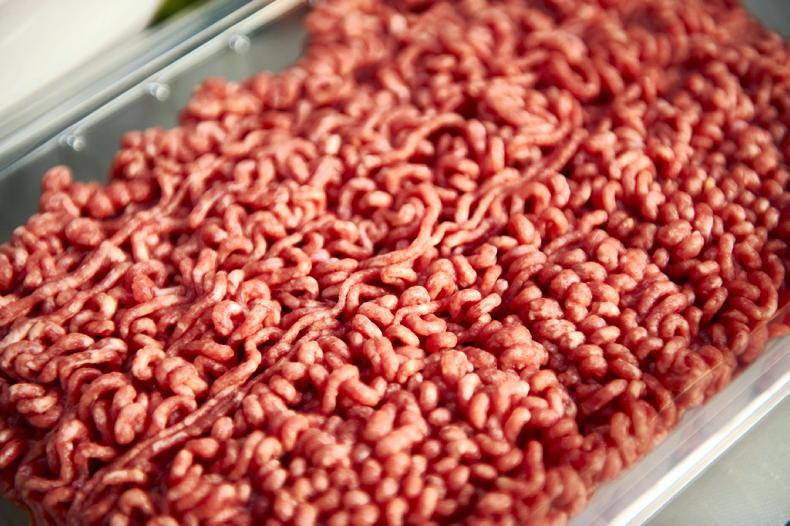
In the first six months of 2025 the EU27 overtook the UK as the largest market for Irish beef, with €798m of exports to the EU, compared to €790m to the UK. The EU was also slightly ahead of the UK on volume in the period.
A recent report from the UK’s Agriculture Horticulture Development Board (AHDB) highlights how high prices for beef in the UK are changing consumer behaviour in the country.
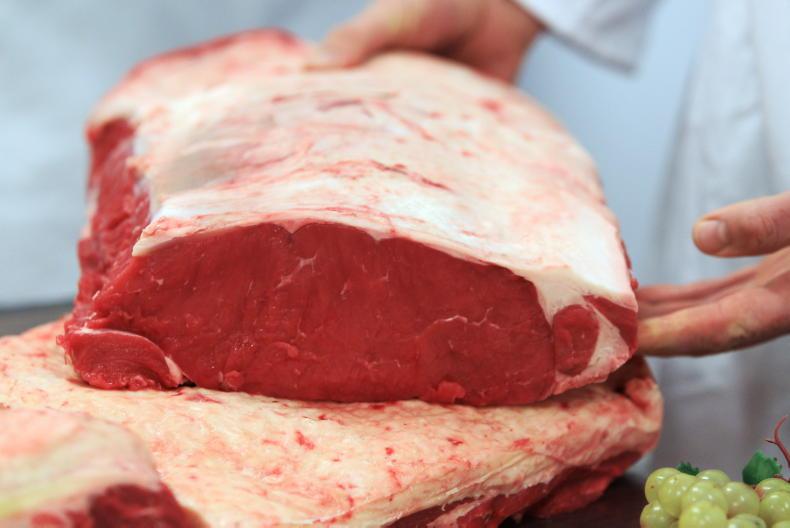
The industry body reported that, according to data from Worldpanel by Numerator, the 12-week period to 10 August saw the average price for total beef products increase by 15% year-on-year which was accompanied by a volume decline of 7.5%, or 9,640t.
This meant that there was a net increase in total spending on beef products of 6.4% when compared to a year earlier.
Official data from the UK Office of National Statistics suggests the price rise has been even higher, with inflation data for July putting the annual increase for the beef and veal category at almost 25%.
As well as challenges with supply, processors in the UK also face extra costs from the recently introduced packaging tax which aims to reduce use of non-recyclable packing for food and drinks. The tax is forecast to cost food and drink manufacturers £1.4bn(€1.6bn).
The data from AHDB showed a significant drop in spending on lamb during the period, but also reported an increase in both the price and volume of pork sold. The reported noted that primary pig meat saw volume increases of 5.3%, with ribs up 47.3%, mince up 21.3% and steak up 8.3%, saying that “these cuts benefited from switching into them from beef”.
Previous research from the AHDB on high beef prices suggested the vast majority of consumers would switch down the beef value chain, or buy less beef, rather than completely switch to cheaper animal protein.




SHARING OPTIONS