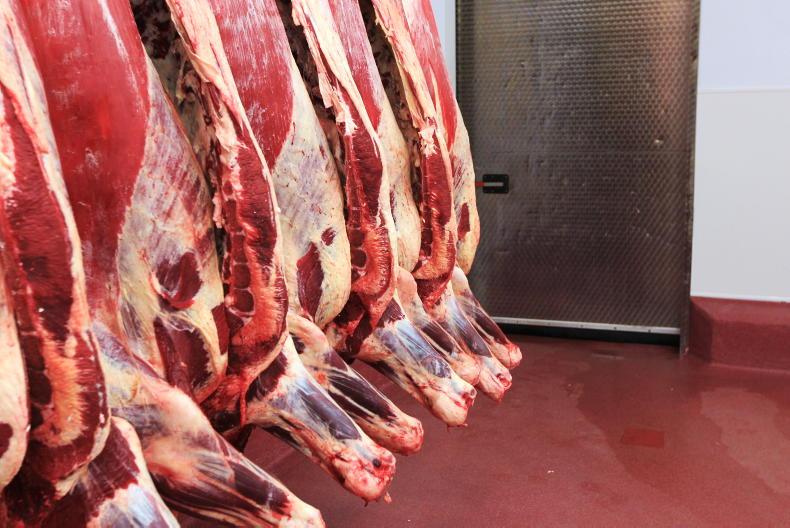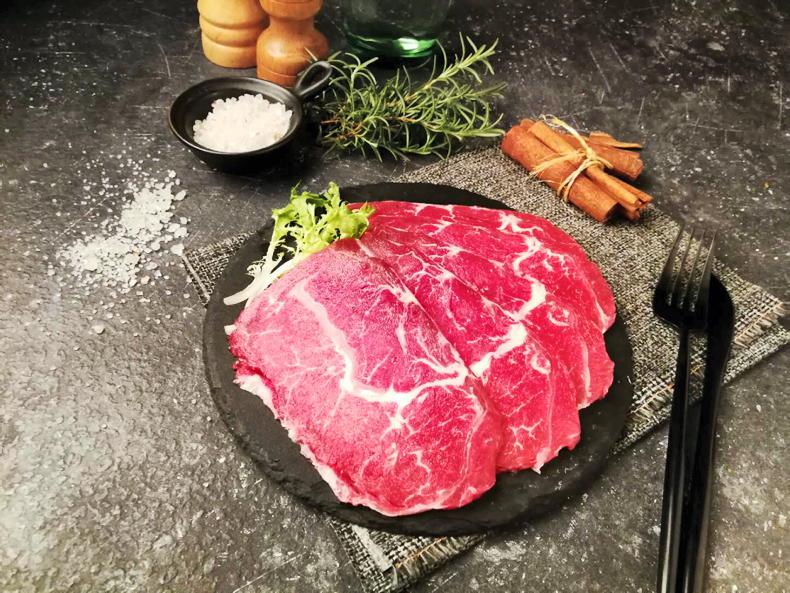
The value of Irish beef exports in the first quarter (Q1) of 2026 was €843m, up from €775m or by almost 9% compared with Q1 of last year and a new record.
As Figure 1 shows, the value of exports has been increasing year on year and was achieved despite the amount of beef exported falling to 114,000 tonnes (t).
This is a drop of just under 7% year on year, and the lowest volume of beef exported for the first quarter since 2021 (see Figure 2).
The UK remained Ireland’s largest export market in Q1 of 2026, and while the value increased by €13m on the previous year to €382.6m, there was a sharp drop in volume to 50,949t, the second-lowest volume this decade, as shown in Figure 3.
This represents 44.7% of all Irish beef exports with most of the rest going to other European Union countries.
They were the destination for 56,914t in Q1 2026 which is down slightly compared with the 57,212t in Q1 of 2025, but the value is significantly higher at €428m, up from €369m in the same period last year.
While there was less Irish beef to export in Q1 of this year compared with last year, it is notable that the drop in volumes going to the UK accounted for the majority of the decline.
This is also reflected in AHDB UK beef import data for February, which shows that the Irish share of UK fresh and frozen beef imports coming from Ireland had fallen to 62% compared with 78% in the same period last year.
Another striking feature of Irish beef exports is that the market outside Europe is negligible, as combined they they account for just 5% of export volumes
Irish cattle prices travelled in the opposite direction to beef export values in Q1 of 2026. In the first week of January 2025, the value reported for an Irish R3 steer (excluding VAT) was €5.64/kg and this climbed weekly reaching €7.40/kg (excluding VAT) by the end of March last year.
This year, the R3 steer price in the first week of January was €7.21/kg (excluding VAT) and by the end of March had fallen back to €6.75kg (excluding VAT).
The apparent contradiction in the direction of travel between farm gate cattle prices and the export value of beef is at least partially explained by the delay in price changes along the supply chain.
In Q1 of last year, the price paid by factories for cattle increased at an unprecedented rate. This couldn’t be passed on immediately to their buyers in export markets and it also works the other way around with a time lag between the decline in farm gate cattle price and export beef value. It will be interesting to observe what if any changes occur in the remainder of this year.
Irish dairy exports were worth €114m less in Q1 of 2026, compared with Q1 of last year at €1.3bn, an 8% decline.
In the same period, the volume of dairy exports increased by 3% to 336,709t, up from 326,795t in the the first quarter of 2025.
The value of global dairy commodities was on an upward curve in the first half of last year before tracking downwards in the second half and into this year.
Ireland exported 52,834t of butter in Q1, up 16.1% compared with a year ago, but the value was down 3.5% at €329m.
Cheese exports increased by 31% year on year to 71,783t while the value increased by 4.7% to €312m reflecting a lower value per tonne.
Irish dairy markets are well diversified and while the UK is the largest value market at €225m, this is 9.5% lower than it was in Q1 last year and represents just over 17% of all Irish dairy exports. Exports to the US are running over €60m or 38% ahead of where they were a year ago at €218.6m but the other export markets in the EU, Africa and Asia are down between 11% and 18%. Butter dominates dairy exports to the US accounting for €147.3m of sales value in Q1 2026, up from €80.3m in the same period last year.
Cheese is the largest export to the UK, though the value of sales in Q1 of this year is down 8% to €136.8m.
Irish sheepmeat exports in Q1 of 2025 had fallen to a 10-year low at 10,810t.
However, there has been a rebound in the first three months of this year, with the volume increasing by 38% on last year’s low to 14,949t with the value increasing proportionately, up almost 39% to €114.6m.
France is the biggest value market for Irish sheepmeat exports with €36.8m of sales in Q1 of this year, followed by Germany on €18.6m with the UK next on €13.8m.
Exports beyond Europe are negligible though a small amount, to the value of €623,206, was exported to Canada during Q1 2026.
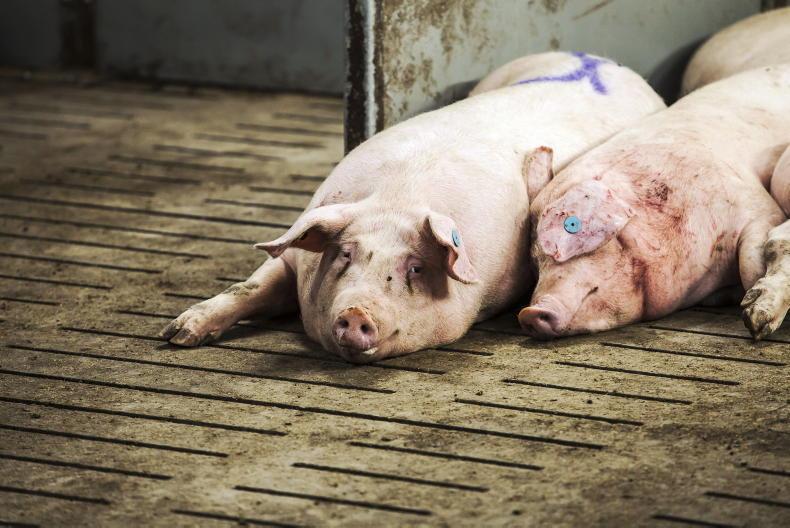
Pigmeat exports in Q1 of this year are running over 12% behind last year at €107m with the volume similar at 51,371t. Despite a decline in value of 22.9%, the UK remains the largest market, worth €31.4m in the first quarter, followed by China/Hong Kong on almost €18m and Japan on €12.3m. Australia is also a substantial market for Irish pigmeat at €10.8m during the first quarter.
Poultry exports were worth €32.5m in Q1 2026 which is a 6.3% increase on the same period last year.
The first quarter of last year will be remembered for the exceptional increase in prices paid by factories for cattle.
While the export value of beef also increased compared with the same period in 2024, the increase was well below the rate at which cattle prices were rising. This year, the price being paid for cattle has fallen back significantly compared to what was being paid a year ago, but the export value for beef remains well ahead. This suggests that while it increased more slowly in the early part of last year, more of the increased value has been retained.
It is also notable that exporters have less beef to sell and are more focused on business with EU countries and have conceded market share in the UK to other countries.