


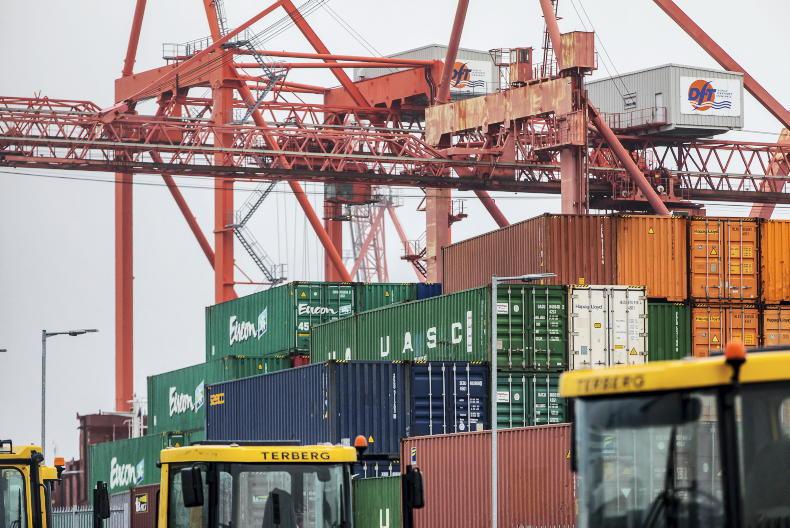
EU ambassadors approved the Mercosur trade deal on Friday by qualified majority, with Ireland among the countries voting against the pact.
Opposition to the deal has been universal across the European farming sector, so for the deal to have passed, countries clearly have decided that the benefits of Mercosur outweigh the costs.
So, what are those benefits?
The main immediate benefit will be the removal of tariffs on EU exports to the Mercosur countries (Argentina, Bolivia, Brazil, Paraguay and Uruguay).
Most recent data from the EU show that goods and services exports to the region are approximately €84bn. Those exports have been subject to tariffs of between 14% and 55%, which will be reduced to zero, with some quota restrictions, either immediately or over a number of years.
That reduction will save €4bn for EU exporters.
Looking at Ireland’s exports to the region, the biggest winners will be chemicals and pharmaceuticals, where exports amounted to €386m in 2024. Irish agri-food exports amounted to only €25m. Total trade when services are included amounted to €3.9bn.
Barriers
The deal also removes many of the non-tariff barriers to trade, giving much greater market access to those South American countries.
According to the EU, the trade agreement means companies will find it easier to do business, offer services more cheaply, increase their overall level of exports and sell more at premium prices.
Supporters of the deal, such as Chambers Ireland, say it provides a great opportunity for the Irish economy and is a welcome boost for free, open trade, which has been so instrumental in Ireland’s economic success.
Chief executive Ian Talbot said: “The Mercosur agreement, given the size and scale of the market involved, will deliver even greater benefits - including for Ireland’s agri-food sector, which now has improved access to up to 280 million new consumers.”
For European countries with large manufacturing sectors, the benefits of the deal have always been clear. This has often been illustrated as a “cows versus cars” argument where improved access for German carmakers is gained at the expense of EU farmers.
The EU has long argued that this is not an accurate representation of the facts of the deal.
Import quota
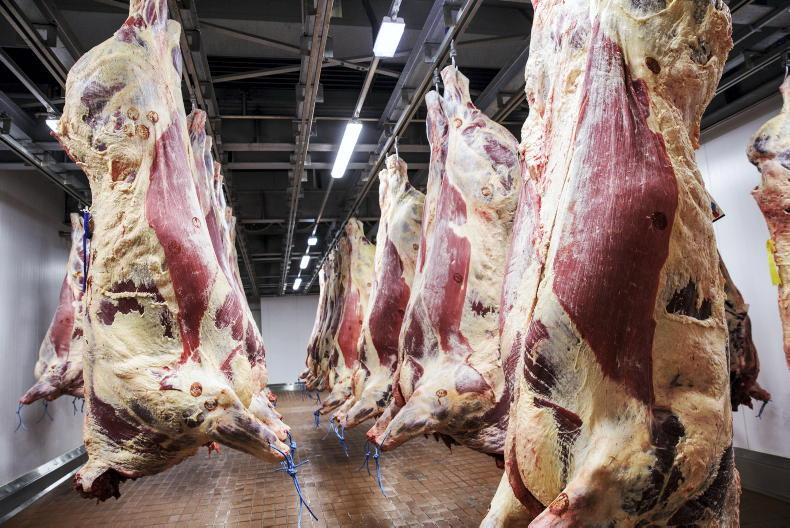
The implementation of beef import quota of 90,000 tonnes (t) at a preferential 7.5% tariff rate represents less than half of the current EU imports from the region, which amounted to 206,000t in 2024. The quota represents a tiny fraction (0.6%) of Mercosur beef production.
With a population of 270 million people and gross domestic product of €2.7tn, the Mercosur bloc is the world’s sixth-largest economy
More broadly, the approval of this deal in the current geopolitical climate where trade flows have become significantly more volatile in the wake of president Donald Trump’s upending of long-established international moves towards reducing barriers to trade can be seen as a win for both the EU and Mercosur countries.
With a population of 270 million people and gross domestic product of €2.7tn, the Mercosur bloc is the world’s sixth-largest economy.
Having a free trade agreement with the region provides market opportunities for a huge range of European and Irish companies. The EU says that over 30,000 EU companies already export to the region. This agreement is almost certain to see that number expand.
From an agricultural perspective, the risks from Mercosur are real and have been very well illustrated on the pages of this publication. However, from an overall EU perspective, those risks are outweighed by the potential benefits.
The benefits for the Mercosur countries are more obvious, as they get access to a much larger and richer market. But they also have been subject to the whims of president Trump, so are very keen on the stability the deal will provide.
Brazilian president Luiz Lula da Silva recently said about the agreement: “We have in our hands the opportunity to send the world an important message in defence of multilateralism and to reinforce our strategic position in a global environment that is more and more competitive.”



SHARING OPTIONS