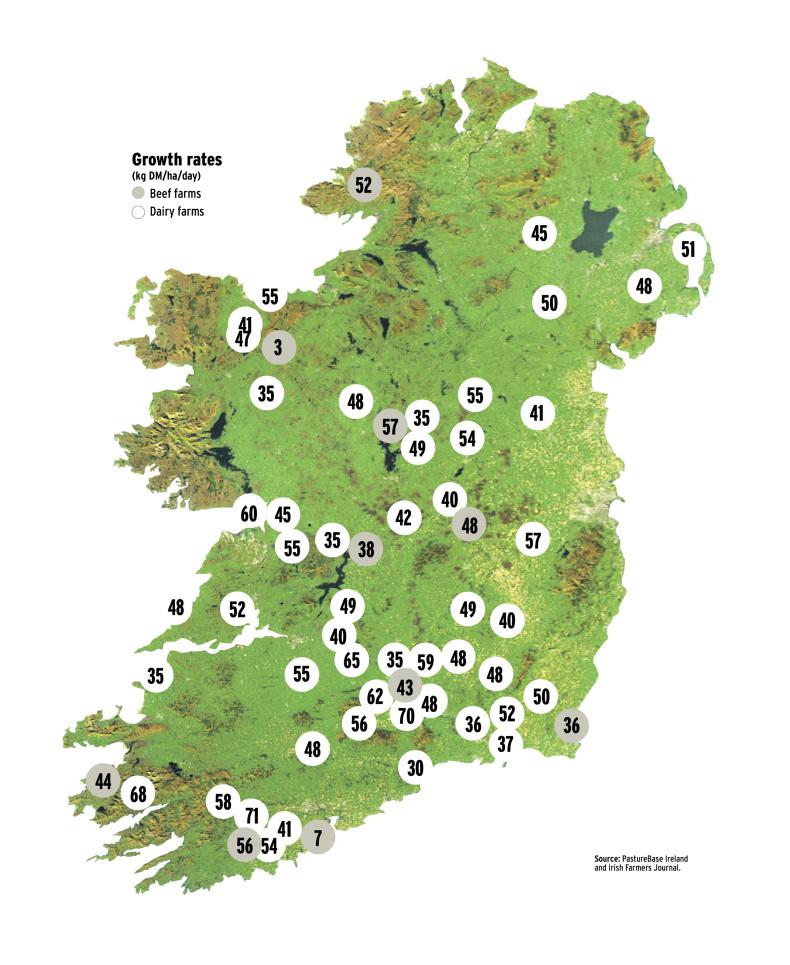
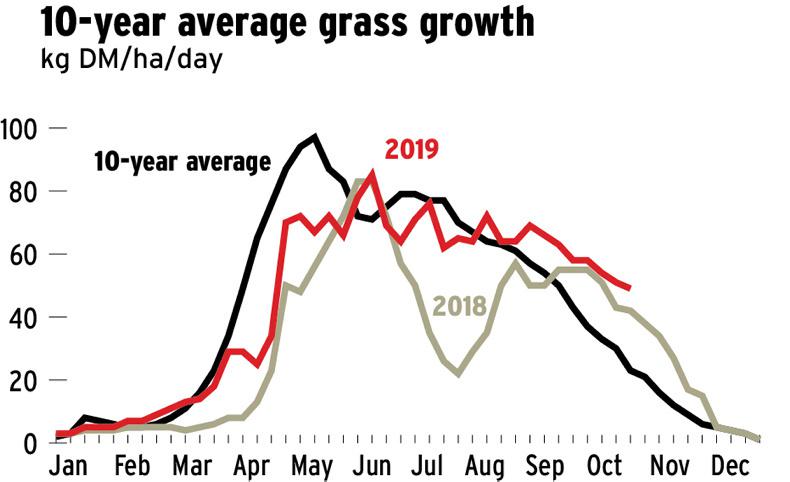
Well above average rainfall has been experienced in most parts of the country in the past week and there doesn’t seem to be much of a change forecast for the next few days. Ground temperatures are still 0.5°C to 2°C above normal for this time of year. This has helped growth rates hold, with an average of 49kg/day recorded this week around the country.
Ground conditions are becoming challenging in a lot of areas with many soils at saturation point or waterlogged. It is important to be flexible and target the drier paddocks on the farm to keep grass in the diet. Walking the farm weekly at this time of year is as important as during the summer, not just for monitoring the grass but to assess ground conditions and identify suitable areas for grazing. The use of multiple access points at this time of year can really help avoid excess damage.
ADVERTISEMENT
Everyone should now have started to close up paddocks for the spring. The weather conditions have become a little more challenging but we should not lose the focus on graze-outs. Any paddock not grazed out fully in this rotation will leave grass in the field that will die off over the winter period, leaving you with a percentage of dead material in the sward next spring. This will reduce grass quality and create a challenge in achieving a residual of 4cm next spring. The luxury of letting cows back over the same area to graze a second time may now be gone for a lot of farmers. So it’s important to allocate the right amount of grass for each grazing to ensure cows get a good clean-out and don’t have to return to that area.
The aim should be to keep grass in the diet where possible as every extra day at grass will increase profits. However, we need to do so with minimum damage. Implementing suitable grazing techniques should help.
Average grass growth was 49kg/day.
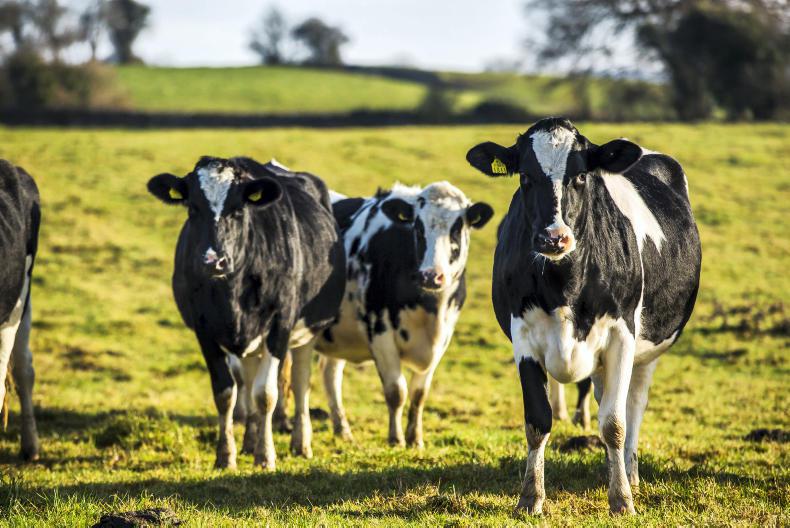
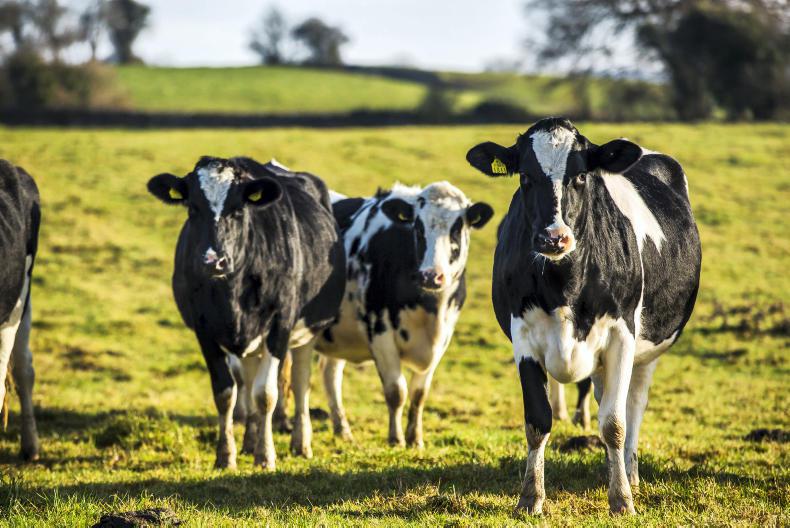
Allocating the right amount of grass each grazing is helping minimise damage and achieve graze-outs.
The closing date for spreading slurry is 15 October, which is this coming Tuesday.
Register for free to read this story and our free stories.
This content is available to digital subscribers and loyalty code users only. Sign in to your account, use the code or subscribe to get unlimited access.
The reader loyalty code gives you full access to the site from when you enter it until the following Wednesday at 9pm. Find your unique code on the back page of Irish Country Living every week.
CODE ACCEPTED
You have full access to the site until next Wednesday at 9pm.
CODE NOT VALID
Please try again or contact support.
Well above average rainfall has been experienced in most parts of the country in the past week and there doesn’t seem to be much of a change forecast for the next few days. Ground temperatures are still 0.5°C to 2°C above normal for this time of year. This has helped growth rates hold, with an average of 49kg/day recorded this week around the country.
Ground conditions are becoming challenging in a lot of areas with many soils at saturation point or waterlogged. It is important to be flexible and target the drier paddocks on the farm to keep grass in the diet. Walking the farm weekly at this time of year is as important as during the summer, not just for monitoring the grass but to assess ground conditions and identify suitable areas for grazing. The use of multiple access points at this time of year can really help avoid excess damage.
Everyone should now have started to close up paddocks for the spring. The weather conditions have become a little more challenging but we should not lose the focus on graze-outs. Any paddock not grazed out fully in this rotation will leave grass in the field that will die off over the winter period, leaving you with a percentage of dead material in the sward next spring. This will reduce grass quality and create a challenge in achieving a residual of 4cm next spring. The luxury of letting cows back over the same area to graze a second time may now be gone for a lot of farmers. So it’s important to allocate the right amount of grass for each grazing to ensure cows get a good clean-out and don’t have to return to that area.
The aim should be to keep grass in the diet where possible as every extra day at grass will increase profits. However, we need to do so with minimum damage. Implementing suitable grazing techniques should help.
Average grass growth was 49kg/day.
Allocating the right amount of grass each grazing is helping minimise damage and achieve graze-outs.
The closing date for spreading slurry is 15 October, which is this coming Tuesday.
If you would like to speak to a member of our team, please call us on 01-4199525.
Link sent to your email address
We have sent an email to your address. Please click on the link in this email to reset your password. If you can't find it in your inbox, please check your spam folder. If you can't find the email, please call us on 01-4199525.
ENTER YOUR LOYALTY CODE:
The reader loyalty code gives you full access to the site from when you enter it until the following Wednesday at 9pm. Find your unique code on the back page of Irish Country Living every week.








SHARING OPTIONS