


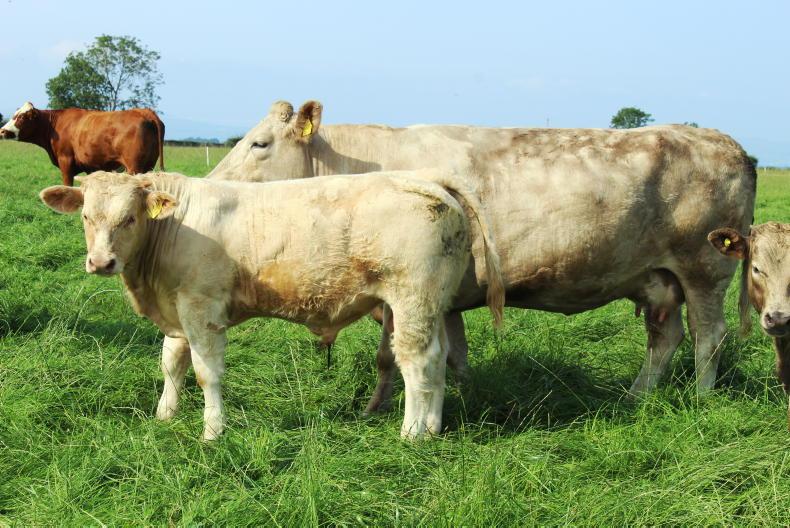
Autumn reseeding
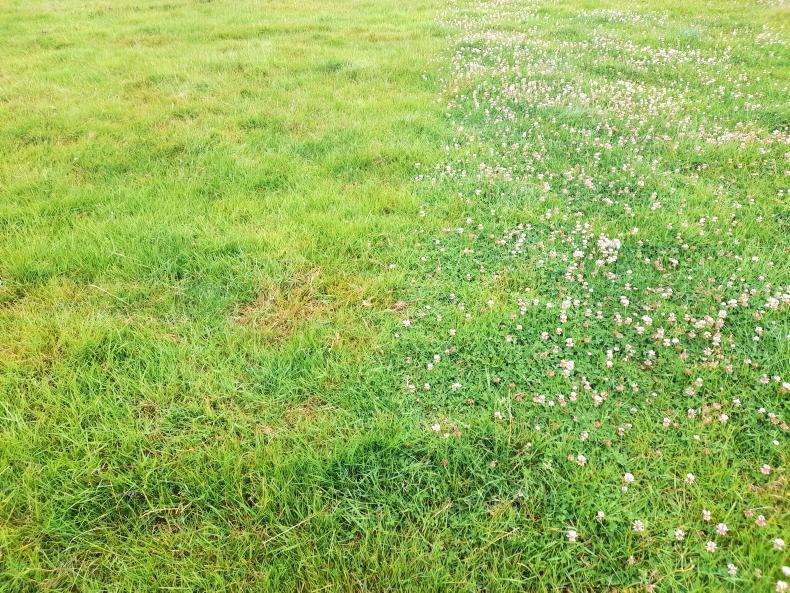
Many drystock farmers choose autumn to reseed as grass demand is lower, so it suits to take it out of the grazing rotation. It’s important not to leave it too late. It’s too costly not to get right. If spraying off with glyphosate, the advice is to leave it for three weeks to get a good kill. Reseeding needs to be completed by the first week in September to give it every chance of success, so that means spraying off in the next two weeks. On varieties a 60% tetraploid, 40% diploid mix seems to be the best choice, depending on land type. The Teagasc Pasture Profit Index should be used when selecting varieties. On more difficult land, more diploids will provide better ground cover. Soil fertility is key and having land at the correct pH, along with index 3 status for P and K, is very important. Another important aspect is appropriate application of nitrogen in the following years. Low fertiliser applications on reseeds will lead to the new grass dying off and allow old grass and weed grasses dominate the sward again. This is especially important on lower-stocked farms which have low fertiliser requirements. On some very low-stocked farms, correcting soil fertility issues may be a better move rather than reseeding, and will be less costly. There is no point in going to the cost of reseeding if you are not going to feed it for growth. There is increasing interest in red clover silage and multi-species swards, but you need to tailor management to the type of sward you are growing. This is especially true for red clover silage, where three to four cuts of silage will need to be made to manage the crop properly.
Feed options
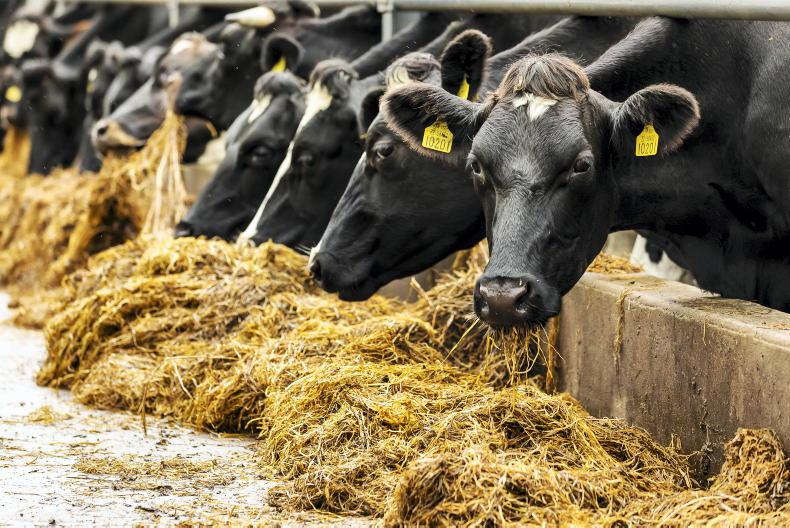
Where you are feeding high levels of meals over the winter, this time of year is always a good time to look at the option of buying directly off the combine. Handling barley on-farm is not the dirty, dusty job that it used to be. Large mobile rollers are now available through contractors. These machines roll and apply additives to the crop at a rate of up to 30t/hr. Cost will depend on moisture content of the grain. At 18 to 20% moisture, you are looking at the acid costing between €20/t to €30/t, with rolling costing a further €15/t to €20/t. Having adequate storage facilities is important to keep it clean and dry. Simple barley/soya rations will do a good job on finishing farms.
Genotyping Scheme: The National Genotyping Scheme is still open for applications. It’s important for new entrants to SCEP, as these farmers will get their cows genotyped free of charge in 2023. These herds need to know their Eurostar status as soon as possible, to hit the 50% four- or five-star deadline of 31 October. You can join at www.icbf.com.
Farm safety
It’s National Farm Safety Week, but just because this week-long campaign ends at the weekend doesn’t mean it should go to the bottom of the list again. Children at home from school continue to be a massive risk around farmyards. Make sure slurry tanks are closed and any gates not hanging are left lying down rather than standing up.



SHARING OPTIONS