


Drafting for slaughter: I have had numerous farmers commenting during the week that cattle are coming fit for slaughter faster this year. This has been due mainly to cattle going into shed in the autumn in better condition than previous years. Taking a typical ration cost of €240/t and silage at €30/t, a typical steer finishing on 68DMD silage and concentrates will have a daily feed cost of €2.20-€2.30/day, or up to €3.85/kg carcase gain. Once cattle enter the final stages of finishing, the cost of each kg of carcase gain will increase significantly as a higher proportion of energy is required to lay down fat. For that reason, it is vital to draft and slaughter cattle as soon as they are adequately covered with fat. In the case of steers and heifers, cattle should be examined over the loins, ribs and around the tail head to assess fat cover. Fat cover on bulls is more difficult to determine. The areas to look at are 1) the cod area: The area between the back legs should be adequately fleshed, the scrotom will be filled and smooth. 2) The brisket: between the animal’s front legs should fill up as the bull fleshes. 3) The topline should be well covered with flesh, with a softness behind the animal’s shoulder. 4) The flank should be full and rounded, with a good covering of flesh over the ribs. Diet will affect the fat cover on animals. In the final 60 days, a 12% protein concentrate will suffice, and the energy content of the feed is critical, with many finishers favouring maize-based concentrates.
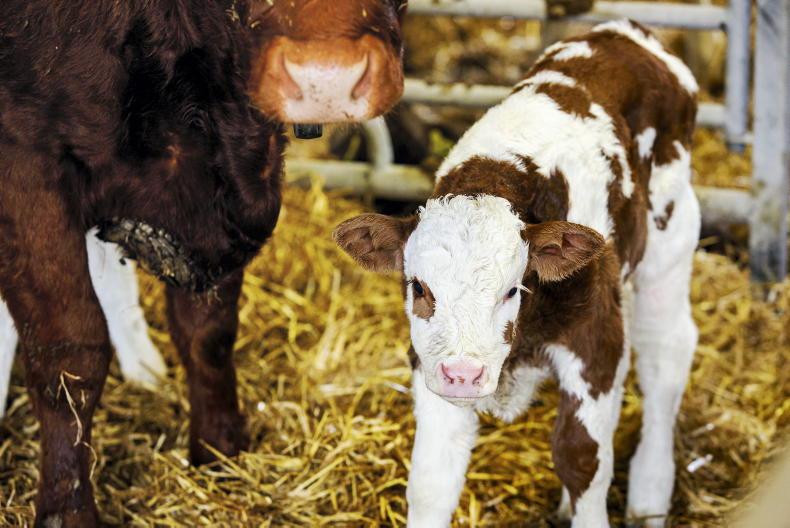
Calf Creeps: Autumn-calving herds that have calf creeps in use should at this stage be paying heed to hygiene. Creep areas should be bedded regularly to ensure that calves have a clean, dry bed, particularly along the back walls where calves lie most. Hygiene is critical to the calves’ health later in the winter. If creep areas are not bedded regularly, then calves will come in contact with more and more scour-causing pathogens as the season progresses, leaving them exposed to scour etc. A good rule of thumb is that if you kneel on the straw bedding and your knee gets damp, then you are not using enough straw.
Grazing Kale: With ground conditions improving, farmers are now grazing brassicas in most areas. Cattle should be eased onto these feeds gradually over a week. These feeds are high in protein but low in minerals and dry matter. For that reason, cattle need to be supplemented while grazing with silage or hay and minerals. In the case of weanlings, they will typically eat 5kg DM of kale per day and the silage should be supplemented in a 30:70 ratio. For cows, a diet of 50:50 silage and kale is recommended.
Nitrates: Farmers that are highly stocked should at this stage be looking at their stocking rates. If a derogation was not applied for, then you need to keep your stocking rate under 170kgN/ha. The Department’s Ag-Food website can be used to accurately assess the stocking rate for the year. Where farmers are going to be running close to limit, early action and planning is required to avoid penalties.


SHARING OPTIONS