Keep a close eye on breeding activity to pick up any potential problems with fertility.
ADVERTISEMENT
On suckler farms where breeding for spring-calving cows started in late May to early June, pay attention for signs of repeat breeding activity.
Cows served in the last week of May or the first few days of June that did not hold to service will be coming back into heat at some point in the next week.
In every herd, there will always be a few animals that repeat on every cycle.
ADVERTISEMENT
But alarm bells should be ringing if there is a high number of animals coming back in heat.
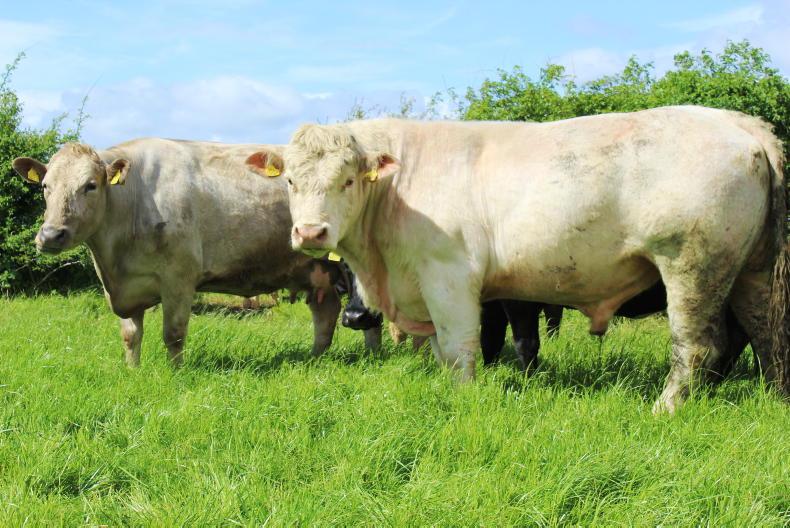
If this is the case, there may be an infertile or sub-fertile stock bull that needs replacing immediately. Mineral deficiencies can also lower cow fertility, as can heat stress with the current hot spell.
Recording cows
Early action is needed to avoid a high number of barren cows. This is where recording cows observed in heat comes into its own.
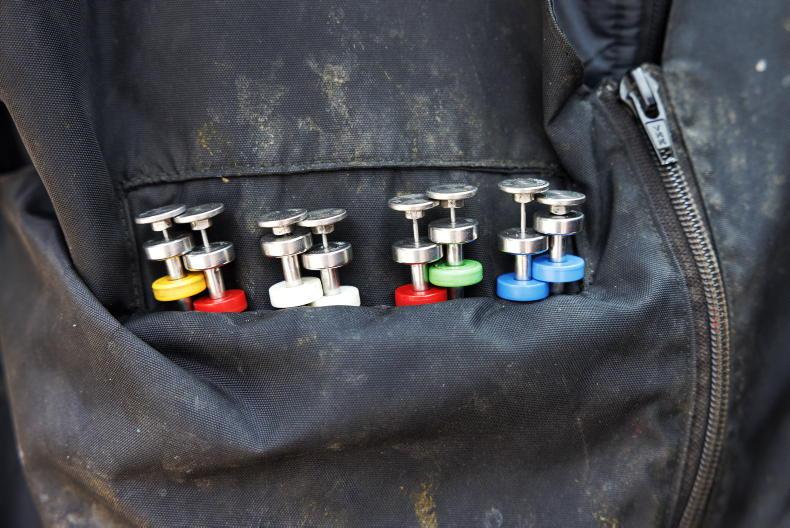
Where tag numbers were recorded for cows served in early June, herd owners know exactly which animals to be watching for in the next week.
Continue to watch the rest of the herd, noting down tag numbers as cows are observed in heat, making it easy to monitor animals again in three weeks' time.
This content is available to digital subscribers and loyalty code users only. Sign in to your account, use the code or subscribe to get unlimited access.
The reader loyalty code gives you full access to the site from when you enter it until the following Wednesday at 9pm. Find your unique code on the back page of Irish Country Living every week.
CODE ACCEPTED
You have full access to the site until next Wednesday at 9pm.
CODE NOT VALID
Please try again or contact support.
On suckler farms where breeding for spring-calving cows started in late May to early June, pay attention for signs of repeat breeding activity.
Cows served in the last week of May or the first few days of June that did not hold to service will be coming back into heat at some point in the next week.
In every herd, there will always be a few animals that repeat on every cycle.
But alarm bells should be ringing if there is a high number of animals coming back in heat.
If this is the case, there may be an infertile or sub-fertile stock bull that needs replacing immediately. Mineral deficiencies can also lower cow fertility, as can heat stress with the current hot spell.
Recording cows
Early action is needed to avoid a high number of barren cows. This is where recording cows observed in heat comes into its own.
Where tag numbers were recorded for cows served in early June, herd owners know exactly which animals to be watching for in the next week.
Continue to watch the rest of the herd, noting down tag numbers as cows are observed in heat, making it easy to monitor animals again in three weeks' time.
If you would like to speak to a member of our team, please call us on 01-4199525.
Link sent to your email address
We have sent an email to your address. Please click on the link in this email to reset your password. If you can't find it in your inbox, please check your spam folder. If you can't find the email, please call us on 01-4199525.
ENTER YOUR LOYALTY CODE:
The reader loyalty code gives you full access to the site from when you enter it until the following Wednesday at 9pm. Find your unique code on the back page of Irish Country Living every week.






SHARING OPTIONS