


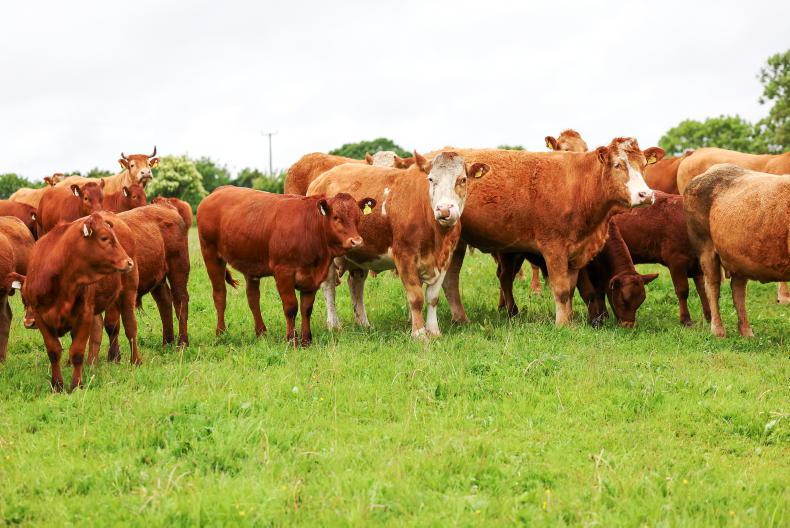
No matter how many times it occurs, it always shocks me just how different this little country is. In the west and northwest, it’s been near a dream year from a grass growing and silage harvesting point of view, with only a few windows in which grass couldn’t be mown due to sustained rain.
On the flip side, farmers in east Cork, Waterford, Kilkenny and Carlow have been supplementing stock with concentrates and silage for weeks or months now.
Talking to a farmer from Carlow this week, there has been some good rainfall and the recovery can be seen, but where grass covers were depleted, they will be slow to come back. I saw online recently that some farmers complained that it was simply not possible to hold farm cover over 550kg DM/ha, and that covers were just melting before their eyes. If nothing can be done, fair enough, but if you could have held cover then you would find a quicker recovery and less grass coming fit for grazing at the same time, as will be the case if large portions of the farm are all grazed to the one low level.
Nutrient management
It’s probably a good time to assess where offtakes of surplus silage were taken on farms that had a lot of surplus bales this year, and to replace those in the form of compounds, slurry or dung. Stock will return roughly 90% of P and K back to the soil through dunging, but where bales are lifted off paddocks and nothing returned, then you are drawing from the bank of P and K and not leaving back a deposit. As a rule of thumb, 1 tonne of dry matter will remove 3.2kg P and 20kg K, with a bale of silage typically being 200-220kg dry matter. If purchasing compound fertiliser, ensure that you have the allowance to do so.




SHARING OPTIONS