



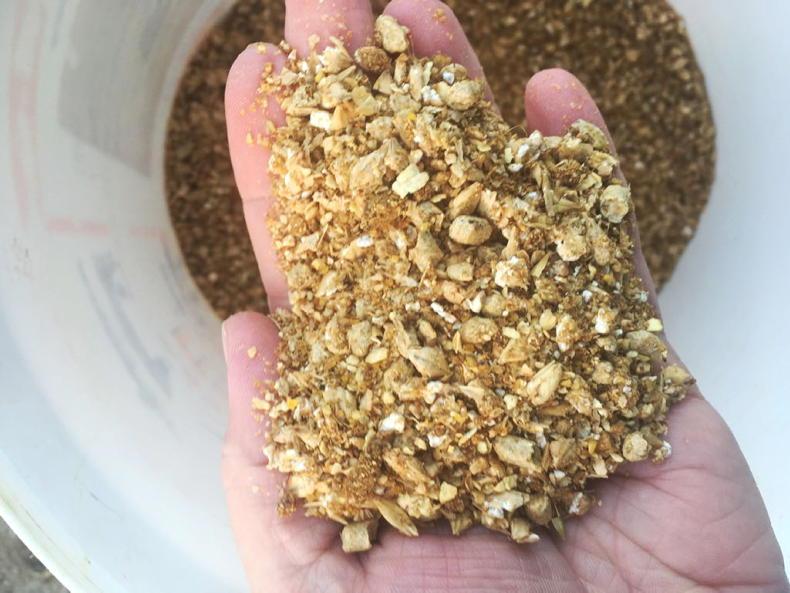
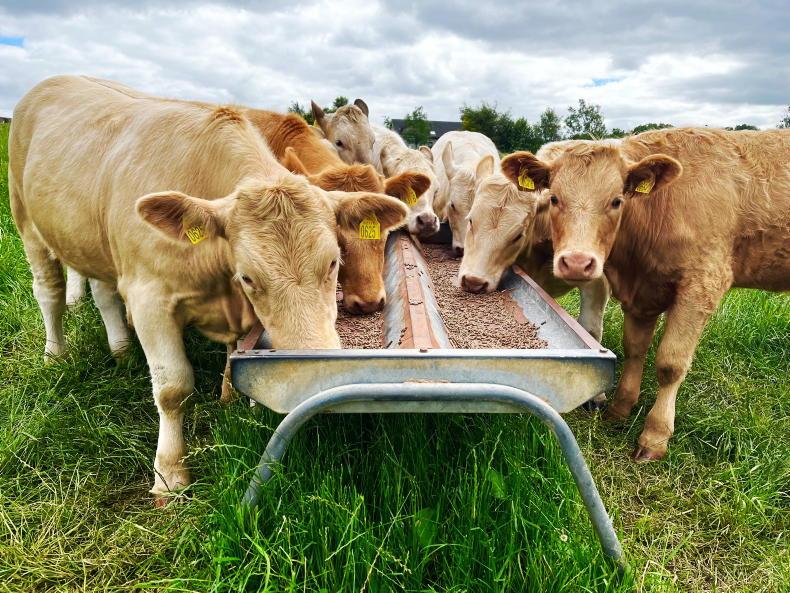
Cheaper rations this winter have meant that ad-lib feeding is back on the table as an option for finishing cattle over the next few months. If we take a finishing bull on 12kg of ration, the meal costs are coming in at €3.60/day. If this bull is gaining 1.7kg/day liveweight gain and he kills out at 60% that means he is gaining 1.02/kg/day carcase.
At a beef price of €7.50/kg this translates into a gross monetary gain per day of €7.65/kg, just over €4/day above the concentrate cost.
At a decent beef price and low concentrate price it may make sense to look at your options for ad-lib feeding animals this winter.
It’s not for everybody and it’s not just a matter of loading the meal out at a feed barrier and letting them eat away. It takes careful management which involves an four to six week build up phase to avoid digestive upsets.
For cattle that will be ready for slaughter inside the next 100 days, it may be an option to move them on to an ad-lib meal system at some point within the final finishing phase.
Even where cattle are on high-quality silage, moving to ad-lib meal feeding will improve weight gain for certain types of cattle and again, save valuable forage.
On average-quality silage (66 DMD), steers and heifers will already be eating 7kg to 8kg of meal per day, so increasing to ad-lib feeding will not provide a massive jump in intake. At these meal levels, they are probably eating 15kg to 20kg/day of silage on a fresh weight basis.
The silage will be contributing little towards daily liveweight gain in finishing cattle.
It will probably only act as a fibre source to keep stomachs right. Before you moving cattle on to an ad-lib diet, there are several factors to be considered before going down this route.
1. Animal type
Bulls are the ideal animal for ad-lib meal feeding, as they can sustain high levels of weight gain over longer time periods compared to other cattle types.
Bullocks that are mainly continental beef breeds will perform well on ad-lib meal feeding, but feeding period should be restricted to around 60 to 70 days from target finishing date.
Heifers and traditional beef breeds are less suited to ad-lib meal feeding as these cattle can quickly become over-fat, thereby falling out of market spec and worth less.
However, if they are to be offered ad-lib meal, then limit the feeding period to 30 to 40 days and monitor fat cover daily. Market once they are suitably covered.
Lower weight gains for bullocks and heifers will mean the economic benefit of ad-lib feeding will be less where bullocks and heifers are being finished.
2. Silage quality
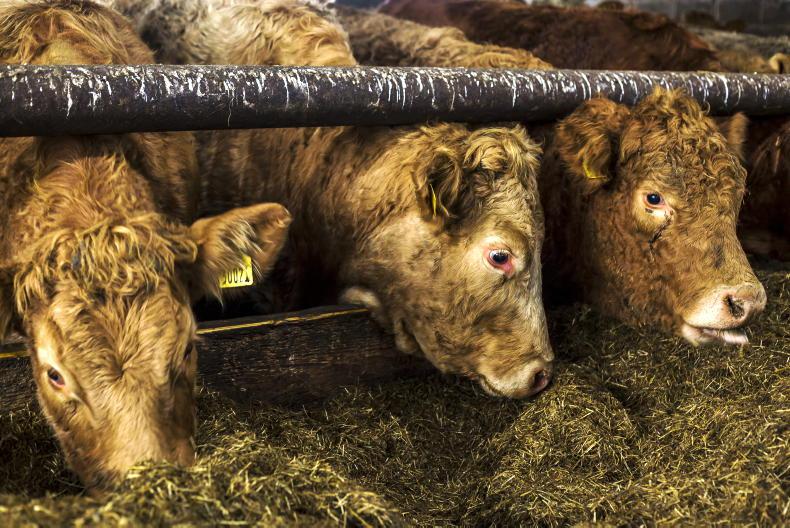
Get your silage tested to determine feed value. If silage is at 66 DMD (average quality) or less, then ad-lib finishing should be considered.
Lower quality silage will not support high levels of liveweight gain without increased levels of concentrate feeding, therefore cattle will take longer to finish.
A longer finishing period means cattle will consume more silage as they spend more days on-farm. Moving to ad-lib meal feeding will increase energy intake, thereby reduce the finishing period and save feed.
If you have a limited supply of good quality silage (70+ DMD) and it is likely to run out before forward cattle reach their target slaughter weight, consider moving cattle on to an ad-lib meal over the next few months.
3. Ration type
Normally you would be looking to keep protein levels as low as possible in a finishing diet. But in the case of ad-lib feeding, increasing the protein level to 14% may prevent certain cattle types from becoming too fat too soon. This is especially the case when feeding young bulls which are also growing.

4. Housing weight
Steers need to be within 60kg from finishing weight for ad-lib meal feeding to be a viable option. For heifers, they should be no more than 40kg from finishing weight.
With bulls, they will perform at higher daily liveweight gain over a period of 120 to 150 days. Therefore, they can be 200kg to 250kg from slaughter weight when moved on to ad-lib feeding.
5. Management
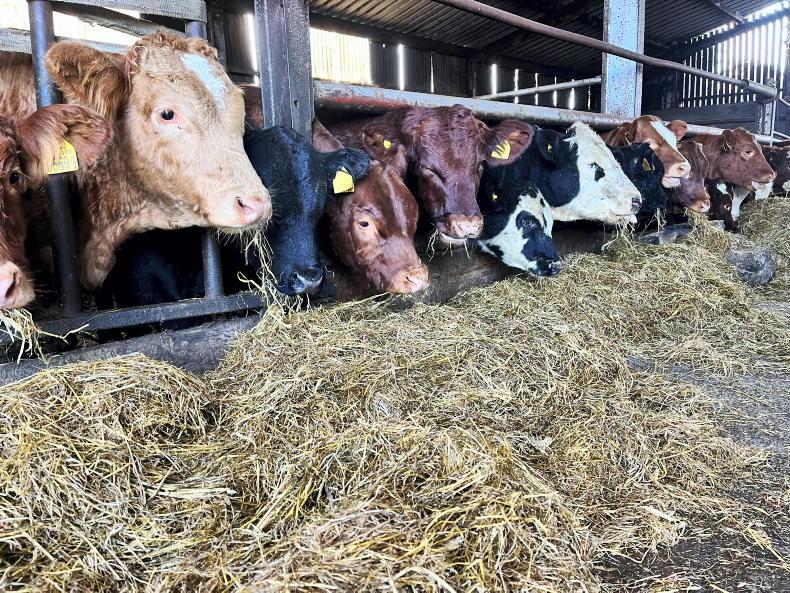
Ad-lib feeding requires high levels of management. Cattle have to be built up to ad-lib meal and once on these higher meal levels, it is vital that they never run out of feed. If they do, there is a risk of cattle gorging on meal the next time you fill the trough. This can lead to acidosis. If they do run out of feed, you will have to build them back up to ad-lib feeding again. Cattle also require at least 20% of their intake to be in the form of roughage, so you will still need to offer fresh straw or hay.
Water intake is important. Cattle will roughly drink six litres of water for every 1kg of meal consumed. Water has to be kept fresh with regular cleaning out of water drinkers necessary to make sure meal intakes don’t drop.
In short:



SHARING OPTIONS