



This week Livestock Editor Justin McCarthy details the basic steps farmers need to get right in order to ensure they obtain high performance levels and avoid digestive upsets.
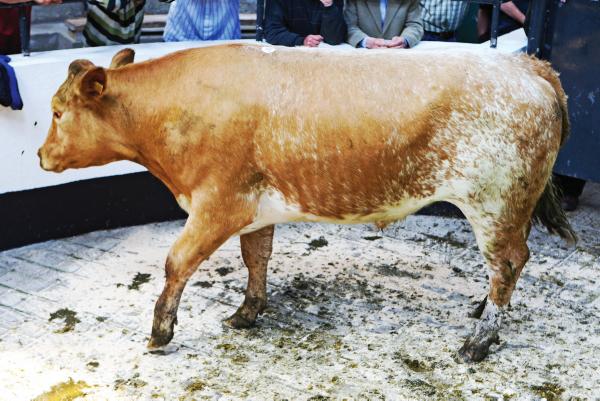
1. Select the right type of animal
Ad-lib meal feeding is a high cost finishing system. However, provided high levels of performance are achieved, the cost per kilo of carcase gain is typically 10% less when compared to a traditional finishing system where average quality silage is fed ad-lib along with 4-5kg of concentrate per day.
Selecting the right type of animal is key to achieving the performance levels required. Research work has shown that performance levels will dip as the duration of the feeding period is extended.
In the case of heifers, optimum performance levels are maintained for the first 60-70 days into the intensive feeding period after which it starts to tailor off. For steers, high performance levels are maintained for the first 90-100 days before starting to dip. In the case of young bulls, high performance levels will be maintained for 150-160 days.
Therefore, it is important that animals are moved onto the ad-lib diet at the right stage to ensure that they come fit before performance levels dip.
Heifers should be within 80-90kg of their target slaughter weight before concentrates are introduced ad-lib, increasing to 100-130kg in the case of steers. For example, if the target slaughter weight for a typical continental steer is 680kg then, ideally, they should be 550kg before being moved onto an ad-lib concentrate diet.
Where steers are being moved on to an ad-lib concentrate diet at lighter weights, then target slaughter weight should be adjusted downwards rather than extending the intensive feeding period in a bid to maintain slaughter weights. The ability of young bulls to maintain high levels of performance for a longer period means they can be moved onto ad-lib concentrates at 200-250kg below target slaughter date.
Advice on the duration of the intensive feeding period is certainly not prescriptive. Irrespective of the duration of the feeding period, animals should be slaughtered as they come fit e.g. reach a fat score of 3=/3+.
At current concentrate prices and beef prices it does not pay to feed animals beyond a fat class 3=/3+.
2. Correct ration formulation
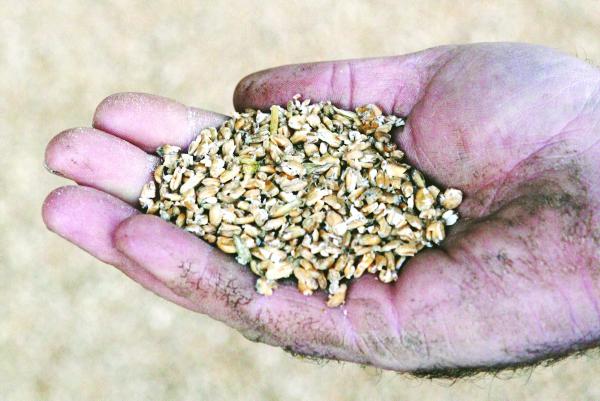
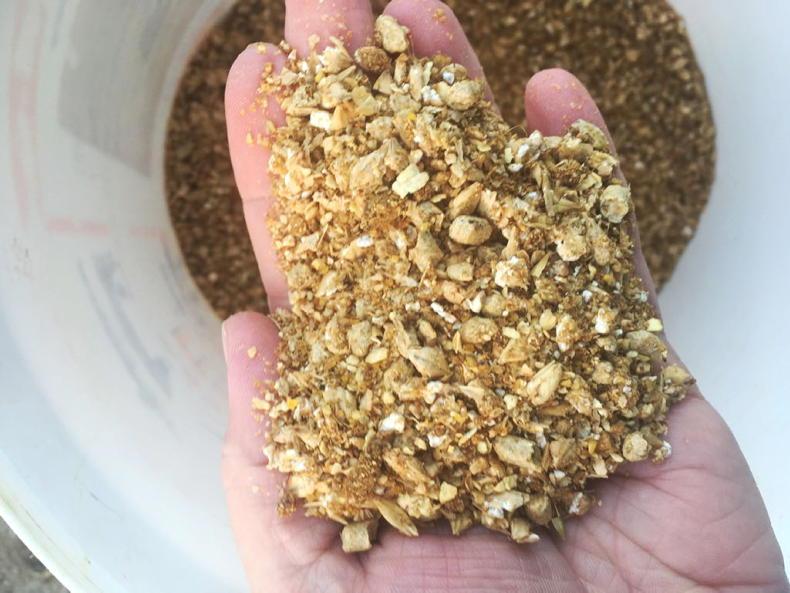
Where feeding steers and heifers over a short intensive period (less than 100 days) the focus should be on the energy content of the ration. High energy ingredients such as maize meal, rolled barley and/or wheat should be at the top of the ingredients list.
Protein content should be 10-12%. In the case of young bulls, where the intensive feeding period is extending to 150-160 days, there is an increased need for protein. During the first 90-100 day period, protein content should be 15-16% – dropping back to 12% for the last 60-70 days.
Feeding a high energy and low protein diet for the last 60-70 days will help ensure you get an adequate fat cover.
The inclusion of digestible fibre sources such as soya hulls and/or pulps are important in helping to prevent digestive problems.
Typical inclusion rates should be in the region of 25-30%. It is also important that the ration is kept consistent throughout the intensive feeding period. Any changes in the mix should be made gradually over a period of a few weeks.
A standard cattle mineral is adequate but should be included at a rate of 1%. In standard beef mixes minerals are included at a rate of 2%.
3. Introduce concentrates slowly
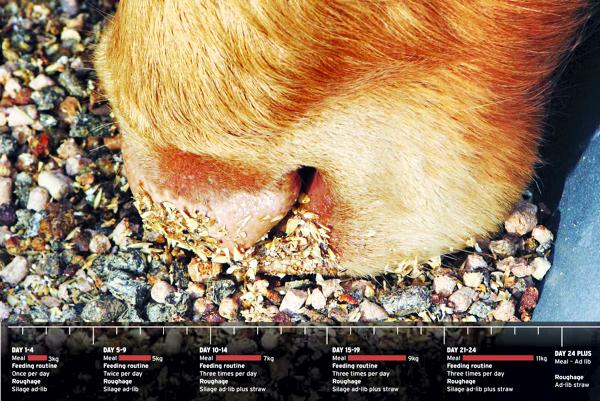
Concentrates should be increased slowly when building animals on to an ad-lib concentrate diet. Figure 1 (above) gives a guide as to how the level of concentrates in the diet should be increased over a three week period.
Initially, when on 3-4kg of concentrates per day, animals should be offered ad-lib silage. When you move up to 6-7kg per day, straw should also be introduced. When you reach 9kg of concentrate per day silage should be removed from the diet and animals should be offered clean fresh barley/wheat straw. Straw intakes will be in the region of 1-1.5kg per head per day. It is important to keep straw in front of animals at all times and ensure it is clean and fresh. If you do not have access to clean fresh straw then you can continue to offer silage. On ad-lib concentrates, intakes of silage will be limited to 5-8kg per head per day.
4. High level of feed trough management
Concentrates need to be kept clean and fresh at all times. They should not be tipped on the ground and pushed up along the front of a feed barrier.
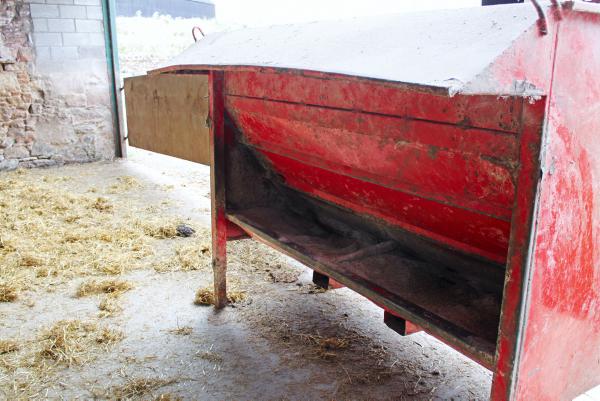
You need some sort of hopper/trough system in order to manage concentrates correctly. Some farmers will simply construct wooden baths that sit up against the front of the feed barrier and hold around 150-200kg of meal.
Free standing or mobile hoppers are also available and can hold from 200kg to over 9,000kg. The size of the hopper/trough required will depend on the number of cattle in the pen. A rough guide is that for every 10 animals in the pen your hopper/bath should hold at least 150kg of meal.
It is also important that the troughs/hoppers are cleaned out regularly. When feeding a mixed ration separation can occur, especially at the bottom of the trough/hopper.
Forcing animals to eat this before re-filling can reduce performance and increase the risk of digestive problems. Some farmers will remove the feed left at the bottom and either remix it back into fresh feed or offer it to other animals on the farm e.g. dry cows etc.
Animals must never be allowed to go hungry when built up on to an ad-lib concentrate diet. If the hopper/trough is allowed to run empty for any longer than one to two hours then you run the risk of over feeding when it is refilled. This will inevitably lead to animals suffering from digestive upsets.
5. Monitor intakes closely
Some farmers get concerned that animals are eating too much meal. However, they should be more concerned when intakes are below where they should be.
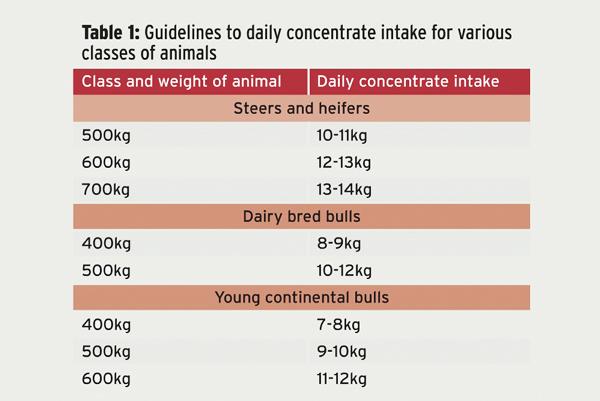
Table 1 gives a guideline to how much meal animals will eat per day depending on class and weight. Intakes may exceed these guidelines after introducing concentrates ad-lib but will settle back down after a few days. If animals are not consuming the levels detailed in the table above then the following areas should be explored:
6. Access to fresh running water
When animals are moved on to an ad-lib concentrate diet limited access to water is probably one of the main reasons for poor intakes, and subsequently poor performance. Typically, a finishing animal will require 50kg of water per day.
When on a grass silage diet most of the daily water demand will be delivered through the feed e.g. 40kg of fresh silage per day will deliver 30kg of water.
However, animals offered a high dry matter ad-lib concentrate diet will have to consume their daily water requirement through the water troughs. Therefore, if you have one water trough servicing two pens of 20 animals then the daily water requirement will be 2,000kg or close to 450 gallons.
A small “nose dip” water trough with no reserve will not suffice. If going down the ad-lib concentrate route these troughs will have to be replaced with larger units.
It is essential that troughs are kept clean at all times. If water supply is disrupted e.g. due to frost, then either an additional source will have to be located immediately or concentrates removed and replaced with grass silage.
If concentrates are removed then animals will have to be built back onto an ad-lib diet when water supply returns. Where water pressure is low, look at the option of putting in a reservoir tank that can fill during the night when demand drops off.
7. Animal health - acidosis
Where management standards are high and ration formulation is correct the risk of animals suffering from acidosis is very low. Symptoms to watch out for are:
Causes
Treatment
Animals suffering symptoms of acidosis should be removed immediately to a pen where they have access to fresh water and long fibre. Mild cases should respond to an oral drench of 110 grams of sodium bicarbonate in at least 1litre water followed by a half dose two hours later. In severe cases (when animals have a grey scour) veterinary attention is required immediately. In many cases animals that are severely affected will be unable to go back onto ad-lib meals.



SHARING OPTIONS