



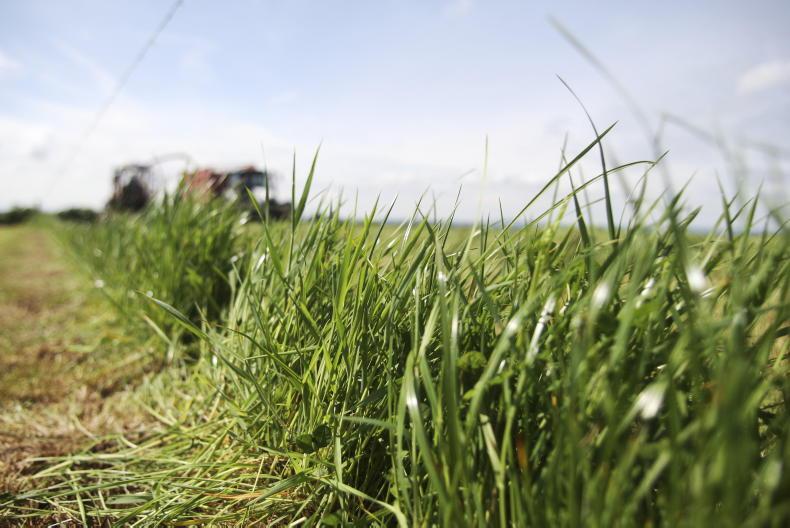
Grass supplies: Pasturebase Ireland figures this week see drystock farmers recording an average growth rate of 50kg DM/ha, with farmers recording in excess of that in cases.
The average farmer measuring grass is likely ahead of target and can likely afford to take out surplus, which will aid in keeping grass quality under control.
However, many farmers who are not measuring grass growth have been stating that growth is not where it should be for the time of year, with soil temperatures still relatively cool heading in to mid-May.
Recently grazed paddocks appear to be the worst affected, and growing that first third (500kg DM/ha) is taking significantly longer than normal.
The first thing to look at is if nitrogen requirements have been met of late. Where there hasn’t been an application of N in the last 20 days or so, it is worth applying a top up to try and kick growth off. If conditions are extremely dry, watery slurry (ideally from outdoor tanks) usually works better than chemical N and can be applied at 2,000 gallon/acre approximately using LESS.
For those farmers looking to mow out paddocks, nutrients need to be returned back on to these paddocks.
Applying either slurry or compound fertiliser will help return the nutrients taken off in surplus bales, 1 tonne DM (roughly 4.5 bales) requiring 4kg P and 25kg K to be put back in replacement. One thousand gallons/acre of slurry applied to paddocks where four bales per acre were made should provide P and K requirements, rising to 1,500 gallons for six bales per acre etc.
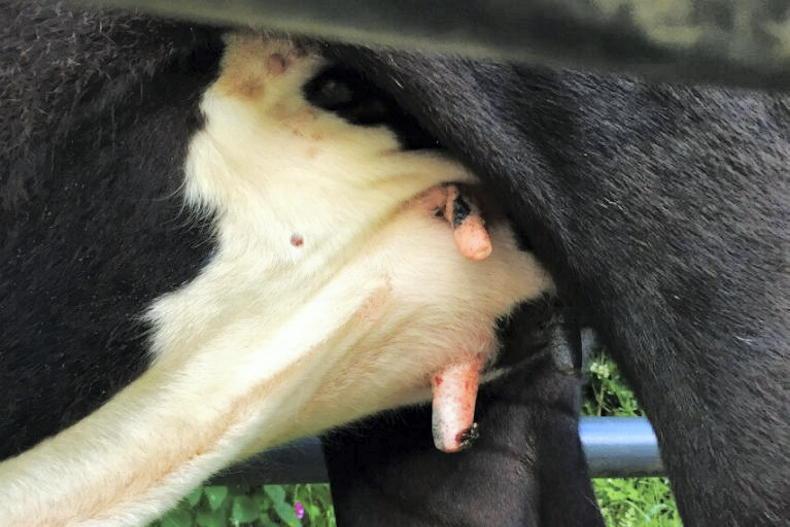
Summer mastitis: The recent warmer weather has increased fly activity – which consequently increases summer mastitis risk. Summer mastitis is less common in spring-calving cows as the calf is sucking the cow regularly, but it can occur in late-calving cows where calves are unable to suck all four quarters and mastitis develops, while weaned autumn calving cows and maiden heifers are most affected.
Particularly high-risk areas are those with trees, close to water or that have plenty of shelter from hedges, as this will attract flies.
Prevention is better than cure and a variety of preventative steps can be taken. Treating cows with a pour-on insecticide can help prevent fly activity, but the cover period varies with different products so frequent re application may be required.
Applying tar to the teats and udders can work, but that’s less practical as it needs to be reapplied every three to four days. Some farmers also have good success with garlic licks and fly repellent tags, or a combination of the above can work well.
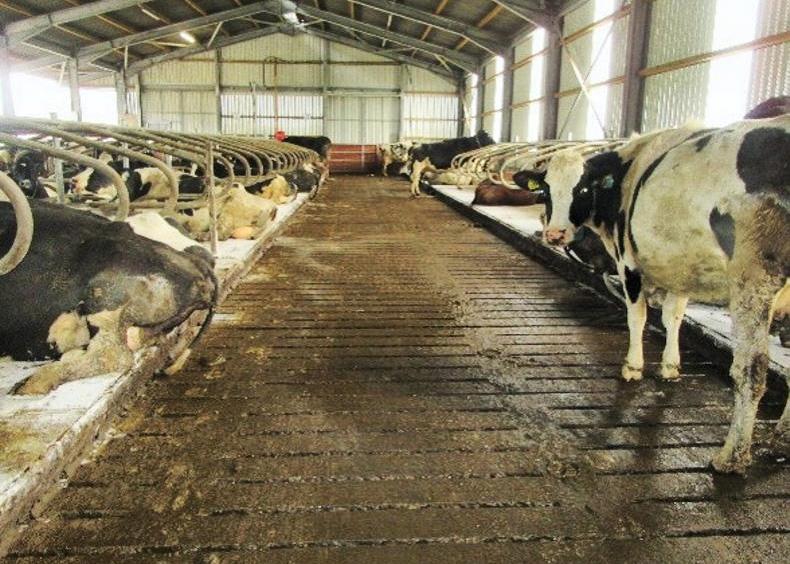
Slurry testing: While we often talk about slurry testing, testing while cattle are indoors is often put off as there are a million other jobs to do. With work load easing slightly, it’s worth getting slurry tested before it goes back out in a few weeks on second cut ground.
Slurry is a circular system, whereby low-index land will produce low-index bales which consequently results in low index slurry.


SHARING OPTIONS