



With current grass supplies scarce and fodder stocks low on many farms, winter 2018 is no time for carrying passengers.
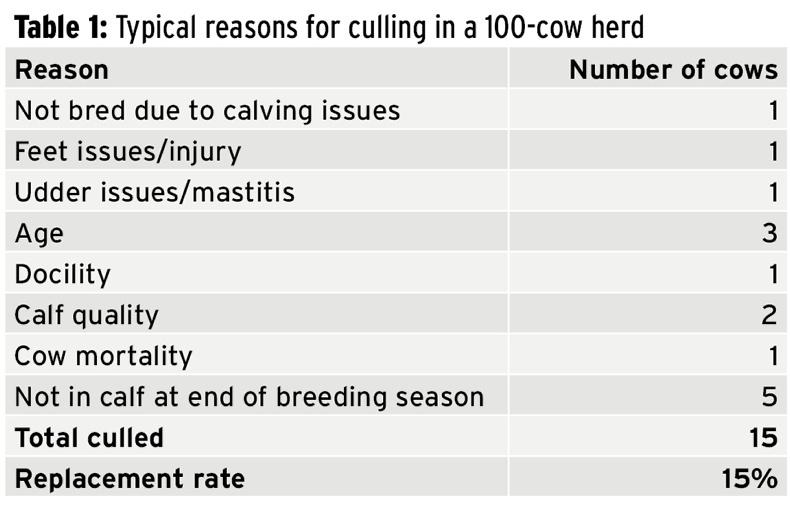
Now might be a good time to look at under-performing or problem cows in the herd and head them for the gate. You should probably be culling 15% of your herd annually anyway.
Selling cows at a younger age means higher cull values and in many cases in-calf heifers may be purchased next spring for a little along with the price received for young cull cows.
Just remember to keep your numbers of in-calf heifers up when culling hard. It’s easy to drop back in numbers and not bring in extra heifers but long term this will hit sales and output from your farm.

Not bred due to calving issues
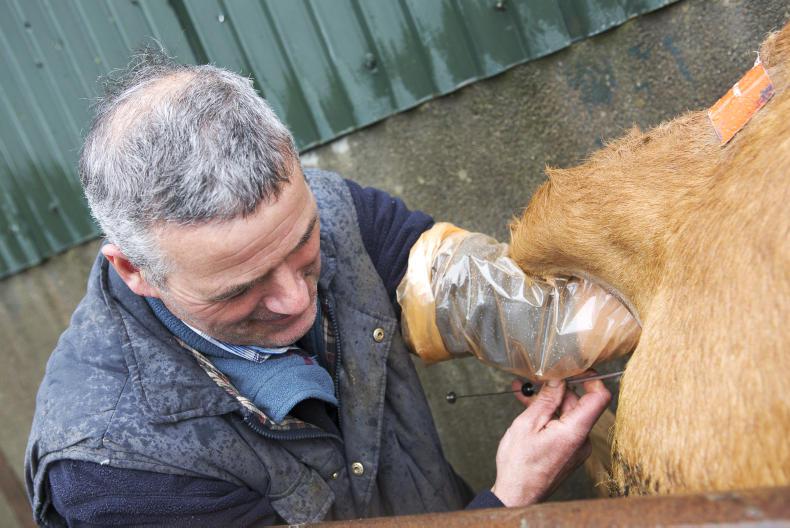
This could be due to difficult calving’s or some other reason around calving. There are always issues around difficult calvings and C-sections and cows not going back in-calf. This can be due to scar tissues or infections after difficult calvings. Avoid very difficult calvings by using highly reliable easy-calving bulls.
Hoof issues
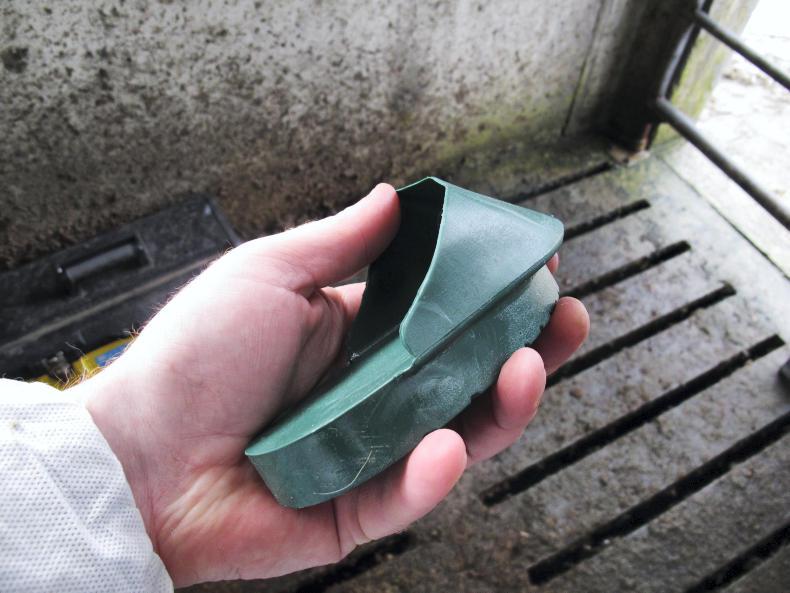
There are always one or two cows in every herd which have to be hoof-trimmed on a regular basis. While this treatment can help prolong the length of time a cow stays in the herd, sometimes it will result in culling. Aim to be culling 1-2%/year for feet/locomotion issues. Any higher and you need to investigate what the underlying issue is.
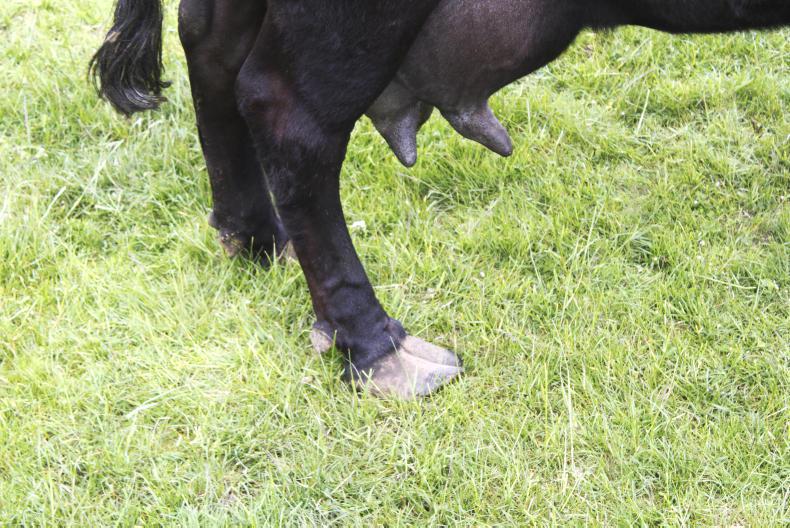
Udder Issues
As cows get older, udder issues tend to become more frequent. In some milky cows, udders can break down and become pendulous. This can make it difficult for young calves to suck at calving time. Mastitis infection will also result in losing that specific quarter and these cows will often need to be culled.
Age
The natural lifespan of a cow on Irish suckler farms is seven to eight years. This can vary a lot from farm to farm and some cows can go on to produce calves until they are 10 or 12. If cows are culled at a younger age there is a reduced chance of problems with feet, udders or other illnesses. Younger cull cows will also achieve a higher price when compared to very old cows.
Docility
Where there are issues around docility, these cows shouldn’t be kept and they should be culled as soon as you can. Some cows can become very aggressive around calving time and pose a threat to you or others safety. This can sometimes be inherited from cows so keeping heifer calves from problem cows isn’t a good idea.
Calf quality
Each year, cows should be looked at based on what they have produced for that year in terms of calf weight and calf quality. Weighing calves is a great way of determining whether your cow is producing or not. Ranking your cows in terms of calf weight is an interesting exercise and repeat poor-performing cows should be culled. Cows that consistently produce a poor-quality calf should also be culled.
Cow mortality
While cow mortality should be under 1% annually, it still needs to be factored into the culling figures and issues with tetany, red water, heart attacks or other injuries can occur on farms every year.
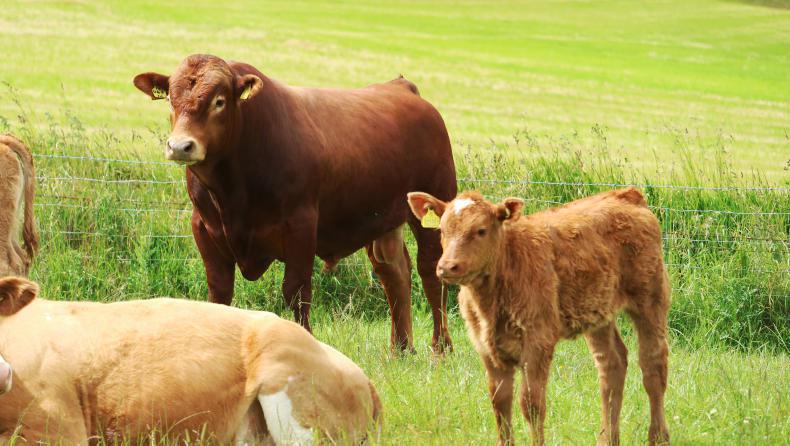
% not in-calf
Scanning time will always throw up empty cows for one reason or another. The aim is to keep the empty rate around 4-5%. BVD and Leptospirosis can have very negative impacts on fertility and outbreaks can result in high empty rates. It’s important to discuss these diseases with your vet and talk about a vaccination programme. Bull subfertility or infertility will also lead to a high empty rate.





SHARING OPTIONS