Argentina’s beef industry looks on track to enjoy continued access to EU markets, as the drawbridge will be pulled up on their Brazilian counterparts just months after the provisional entry into force of the EU-Mercosur free trade deal.
A newly-published European Commission audit of Argentinian beef found that the country’s export controls for beef exports are “well-structured, effectively implemented and largely compliant with EU requirements”.
The evidence from Argentina’s audit “demonstrates a high level of preparedness for sustained EU exports”, according to its final report.
This report noted that one beef factory that had been recently included on the EU export-eligible list was deemed not to have met all “structural EU requirements” and that “there were maintenance issues at the plant".
These maintenance issues included flaking paint, damaged walls and floors and problems with the stunning box.
However, the auditors found that the plant’s documentation and records, including the results of lab testing, were “comprehensive and accurate, and the traceability system implemented was satisfactory”.
Argentine authorities were able to produce documentation proving that their own food safety controls had flagged these issues with the plant.
Progress since 2020
Last year’s audit followed a 2020 inspection of Argentina’s beef sector that uncovered “deficiencies related to animal welfare”.
These issues related to lairages at slaughterhouses and the procedures around slaughter when stunning procedures do not result in instantaneous death.
From January of this year, it is compulsory to identify calves with an electronic identification device at weaning or prior to the first movement off the farm on which they were born.
There have also been a series of regulatory updates that tighten the controls around the monitoring and verification of beef processing.
The audit team reported that Argentina’s supervision and audit systems are implemented as designed and that there is evidence that corrective actions were taken to resolve issues when they arise.
Two cattle farms inspected by the EU auditors had correctly recorded the necessary information on computerised systems.
Clock ticks for Brazil
Argentina’s audit report reads in stark contrast to that which emerged from last year’s EU boots-on-the-ground inspection of its neighbour Brazil.
The audit of Brazilian beef exposed non-compliances and shortcomings that resulted in a recall of supplies already consumed in many EU markets, including Ireland, after it emerged hormone-treated beef banned in the EU had been shipped from a Brazilian beef plant.
While Brazilian authorities had been aware of the breach, they did not warn their EU counterparts.
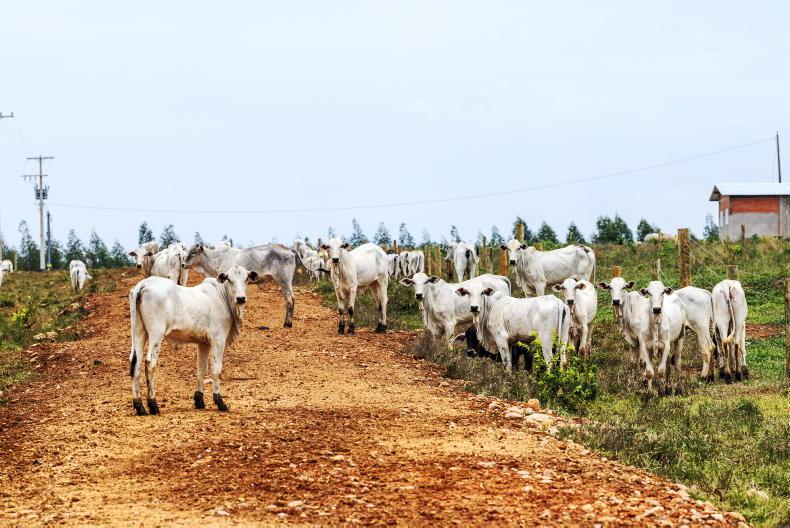
Argentina’s report – which signals high preparedness for continued beef exports – was published just two weeks from the introduction of a ban on Brazilian beef and other meat exports to the EU.
The May 2026 move by EU member states to delist Brazilian meat and animal products from the list of export-eligible countries on foot of animal and public health grounds from 3 September came as a surprise to the country’s farm sector.
It has since scrambled to attempt to regain access and while the Commission has said it is engaging with Brazilian authorities to assess compliance, it appears increasingly likely that it will be unable to reverse the looming September shut-out date.
Timelines
A follow-up Commission audit in Brazil this month will scope out whether some commodities can avoid this ban, such as poultry and honey. Beef will remain off the menu, as Brazil will be unable to prove that cattle slaughter at this time could have been EU-compliant for their lifetime.
A timeframe of around two years at the very least will be needed after a compliant veterinary medicine system has been put in place in Brazil for the re-allowance of beef supplies, as these rules cover an animal’s entire life and compliance at the time of slaughter is not sufficient to prove compliance.