



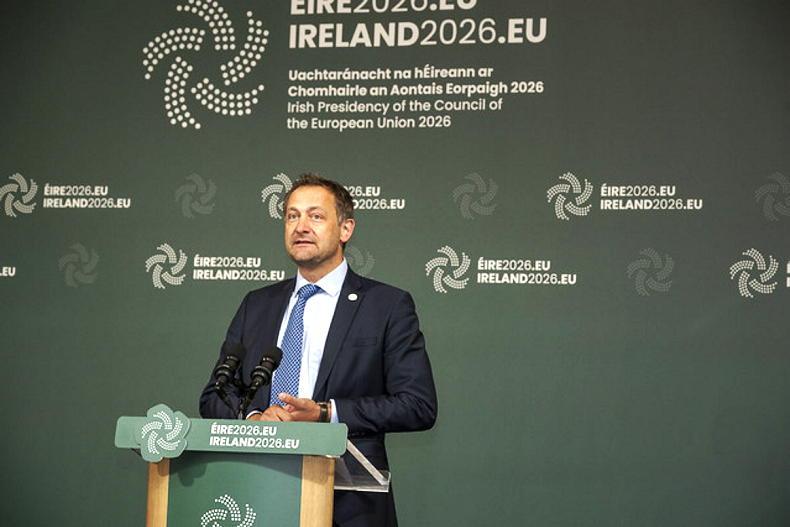
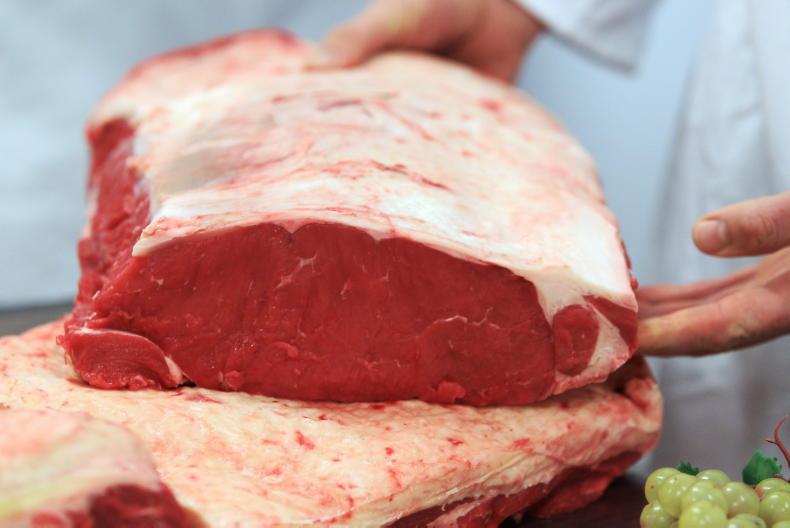
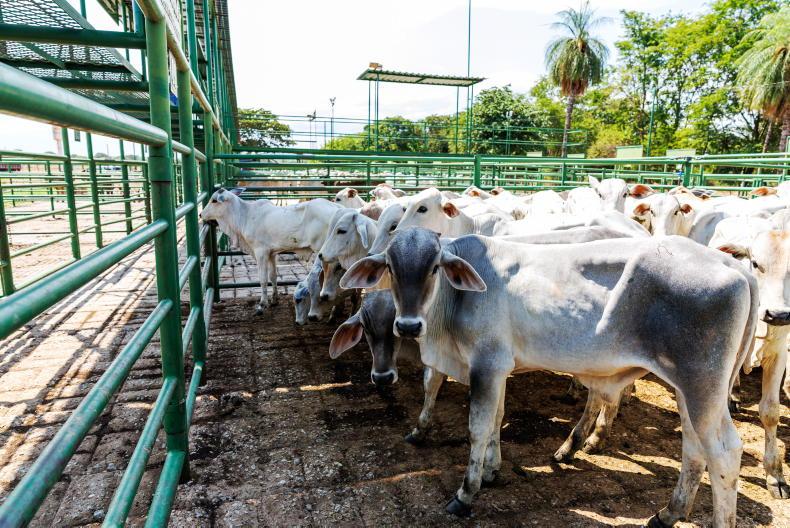
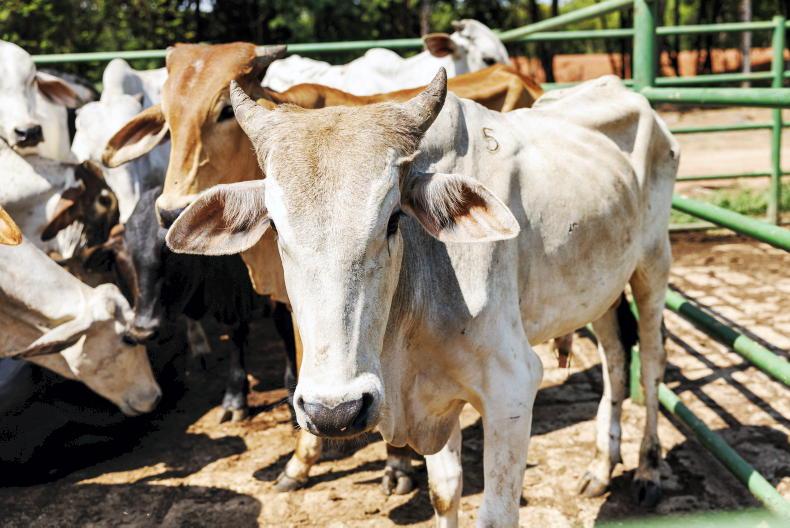
Farmers should see the closure of EU markets to Brazilian beef and other meats from this month as a sign that Brussels is fighting their corner when it comes to safeguarding market standards.
That's according to European Commissioner for Agriculture and Food Christophe Hansen, who said he is keen on shutting out agri-food imports that were produced at lower standards than those imposed on the EU’s farmers.
He suggested that tillage-sector imports will be next to go under the spotlight.
The European Commission, in unveiling a Livestock Strategy in July, prioritised greater market fairness through the equivalence of production standards - what Brussels terms as 'reciprocity'.
The strategy, which was discussed by farm ministers from around the EU in Dublin Castle on Tuesday, is aimed at staving off declining EU livestock numbers.
Questioning from The Irish Farmers Journal
“In the Livestock Strategy, we have various points that are really bringing back the relevance of the sector, and I think it is very important to underline that we want, as well, to have a certain link as well with the consumers again,” Commissioner Hansen said in response to a question from The Irish Farmers Journal.
“I think that is something very important, where people and consumers trust what is from Europe.
“But at the same time, we have, as well, clearly said that we want more reciprocity when it comes to production standards, and we are doing that in our recent actions in trade policy.
“You have probably seen the Brazilian beef case, but we have [moved] as well on plant protection products where we have put to zero as well the maximum residue levels.”
The Commissioner went on state that he hoped Ireland could hammer out an agreement with member states before the end of the year, one that would push pesticide residue levels down to zero for imports grown with pesticides banned in the EU.
The move would curtail imports of soya, maize and fresh produce grown in regimes with more-relaxed rules than are applied to European farmers.
Headage hope for next CAP
The Commissioner further referenced the possibility of diverting up to 25% of the next CAP’s income support funds to headage schemes, in regions where livestock farmers face particular challenges, as another example of putting the Livestock Strategy into action.
“We are not at the final station, and I think that is very important to underline,” he commented on the current round of CAP reform.
“But we see, for example in France, a big member state where we see the concentration going on in the livestock sector, we have certain regions where it is more difficult to produce, where the livestock numbers are going down, and that is where we have, as well, proposed to increase again the share of coupled support.
“It will allow France in this case to support specifically, for example, grass-fed beef production in more remote areas and in mountain areas.”



SHARING OPTIONS